Scarf wearing styles are not difficult, but a man can make a perfectly good coat look confused with one careless knot. I have watched this happen for 30 years on the men's floor. A customer buys a sensible wool scarf, wraps it six times around his neck, and then wonders why the whole arrangement looks like he is carrying a sleeping bag. The fix is usually simple: choose the right fabric, keep the bulk under control, and match the knot to the coat.
A scarf has one job before it has any decorative purpose. It keeps cold air from running down the back of your neck. After that, it should sit quietly and make the rest of your clothes look finished. You do not need a designer label, a dramatic knot, or a scarf collection. One good wool scarf in charcoal, navy, camel, or dark green will handle most of a man's wardrobe.
The scarf materials that actually work
Start with weight. A lightweight cotton or silk scarf works with a sport coat in fall, but it does not provide much warmth in January. Merino wool is a dependable middle ground because it is warm without being as bulky as a thick cable-knit scarf. Cashmere feels soft and makes a fine gift, though it needs more careful washing and often costs considerably more. A wool blend from a department store can be perfectly serviceable in the $25 to $60 range.
For a heavy topcoat, look for a scarf around 10 to 12 inches wide and 65 to 75 inches long. That gives you enough fabric for a simple fold or a loose loop without creating a knot the size of a grapefruit. If you wear a shorter jacket, a narrower scarf usually looks cleaner. The fabric should not bunch above your chin or hide the entire front of your coat.
Color matters more than a complicated pattern. Navy works with gray, tan, brown, and black outerwear. Charcoal is nearly as useful. Plaid can be attractive, but keep the other pieces plain. When a scarf already has red, green, cream, and yellow running through it, the coat and shirt need to stay out of the argument.

Scarf wearing styles for a work coat
The drape is the easiest of the useful scarf wearing styles. Place the scarf around your neck with both ends hanging evenly down the front. Do not knot it. This works over a blazer or a lighter wool coat when the temperature is cool rather than brutal. It adds a vertical line and keeps the scarf from looking like an afterthought.
The once-around loop offers more warmth without much effort. Put the scarf around your neck, leave one end slightly longer, and bring that end around the back of your neck to rest on the opposite side. Let both ends hang naturally. This is the version I would hand to most men who say they do not know how to wear a scarf. It is secure, comfortable, and difficult to overdo.
For an office commute, the simple fold is reliable. Fold the scarf in half lengthwise, place the folded end around your neck, and pull the loose ends through the opening. Keep the knot low, just above the coat's top button. If it sits under your chin like a neck brace, loosen it. A scarf should keep you warm, not announce that you have discovered a knot.
Matching a scarf to your coat
A scarf should relate to the coat without becoming an exact duplicate of it. With a navy peacoat, try charcoal, burgundy, tan, or a restrained gray plaid. With a camel overcoat, navy or dark brown gives enough contrast. A black coat accepts nearly anything, although a muted color usually looks more useful than a bright novelty pattern.
The collar also changes the answer. A coat with a broad notch collar can handle a fuller wool scarf draped over the lapels. A stand collar or zip-front jacket looks better with a thinner scarf tucked inside. With a trench coat, keep the knot neat and avoid a large bundle under the belt. With a quilted jacket, the scarf should be lighter because the jacket already supplies most of the volume.
One customer came in before a business trip with a black overcoat and a thick red scarf covered in large white checks. The scarf was not poorly made; it was simply doing all the talking. I gave him a solid burgundy wool option and showed him the once-around loop. He looked less like he was headed to a football game and more like a man who knew where the train station was. That is a successful fitting-room correction.
Scarf wearing styles for weekends and outdoor errands
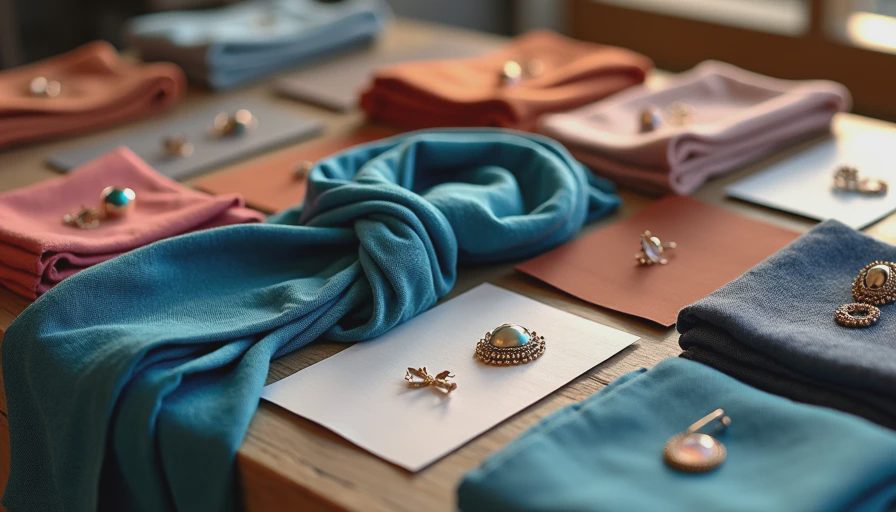
Casual clothing gives you more room, but it still benefits from proportion. A chunky ribbed scarf can work with a denim jacket, corduroy coat, or waxed cotton outer layer. Keep the knot loose and let the texture show. Do not force a bulky scarf into a tight loop; that creates uncomfortable pressure and makes your head look disconnected from your shoulders.
For a weekend walk or a trip to the hardware store, a soft wool blend in olive, gray, or rust is practical. The color can be a little more relaxed than what you wear to work. If you are wearing a patterned flannel shirt, choose a solid scarf. If the shirt is plain, a modest stripe or check can add interest without turning the outfit into a display rack.
The Parisian loop is often recommended in lists of scarf wearing styles, but the name matters less than the execution. Fold the scarf, place it behind your neck, and pull both loose ends through the folded opening. Wear it loose over the jacket rather than cinched tight. This knot is warm and tidy, but it becomes bulky when the scarf is very thick. Try it in front of a mirror before leaving the house; the fitting room principle applies at home too.
Common mistakes that send men back to the store
The first mistake is buying a scarf that is too short. A short scarf limits your options and leaves the ends sitting awkwardly near your ribs. The second is choosing a fabric that sheds fibers onto a dark coat. Rub the scarf lightly between your fingers and inspect the coat after a minute. A little fuzz is normal; a visible blanket of lint is not.
Another problem is wearing a formal silk scarf with a rugged winter jacket. The materials disagree. Silk belongs with a suit, dress coat, or lighter blazer, while thick wool belongs with a heavier outer layer. Avoid tying a scarf so tightly that it pushes your collar upward. You want a little space for movement and comfort.
Care is basic but important. Read the label before washing wool or cashmere. Many pieces call for hand washing or dry cleaning rather than a regular machine cycle. Store the scarf folded in a drawer instead of hanging it from a hook, which can stretch the fabric over time. Five minutes of care is cheaper than replacing a $50 scarf every winter.
A practical buying checklist
When you shop, bring the coat you plan to wear most often, or at least wear a similar color. Check whether the scarf covers the front of your neck without forcing the ends into your belt. Look at the width, feel the fabric, and inspect the edges for loose threads. A clean hem is more important than a famous name.
Try three colors under the store lighting: charcoal, navy, and one warmer option such as camel or burgundy. Step back from the mirror. Close the coat and then open it. The scarf should still look natural in both positions. If you cannot decide, choose the one that works with your daily coat rather than the one that looks exciting on its own.
The best scarf wearing styles are the ones you will actually use on a cold morning. Start with the drape, once-around loop, and simple fold. Those three cover commuting, errands, dinners, and most winter occasions. If you are standing in a store wondering whether the scarf is too long, too thick, or too bright, try it on. That's what the fitting room is for.




No comments yet — grab the first one.