I have watched men buy the best chino pants for a very simple reason: they need one pair that works at the office, the restaurant, and the kid's graduation without making a production out of getting dressed. After 30 years on a department store men's floor, I know which pairs get bought again and which ones come back folded over an arm with the receipt. The difference usually comes down to fabric, rise, pocket placement, and whether the man tried them on properly.
What makes a pair worth buying
The best chino pants begin with a cotton fabric that has some substance. A lightweight pair can feel comfortable in a fitting room but turn limp after a few washes. Look for roughly 7- to 9-ounce cotton twill for an everyday pair. That weight holds a crease reasonably well, resists showing every wrinkle, and does not feel like canvas when you sit down.
A small amount of stretch is useful, especially if you drive, travel, or spend part of the day at a desk. One or two percent elastane is generally enough. More stretch can make the pants feel soft at first, but the knees often lose their shape sooner. The best chino pants should move when you bend without looking like athletic wear.
Color matters, but you do not need a closet full of choices. Navy, khaki, olive, and medium gray cover most ordinary situations. A darker khaki works with a blue blazer and a white shirt. Navy looks cleaner with an oxford shirt or a sweater. I would skip overly bright colors unless you already know exactly where you will wear them.
Construction gives you another clue. Check that the belt loops are securely stitched, the fly lies flat, and the pockets do not pull open when you stand naturally. A properly finished hem is more important than a decorative label. I would rather sell a $45 pair with dependable stitching than a $90 pair that looks impressive on a hanger and sags at the seat.
Fit comes before the label
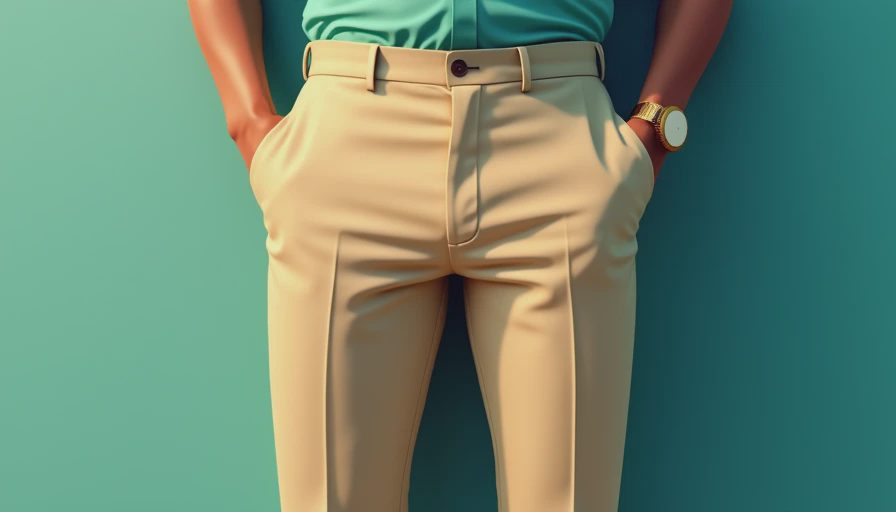
The best chino pants should sit at your natural waist or just below it, depending on the rise. If you need to pull them up every time you stand, the waist is too large or the rise is wrong. If the waistband digs in when you sit, do not assume the pants need to be broken in. They do not. Try the next size or a roomier cut.
The seat should follow your shape without grabbing it. You want enough room to place a hand in the back pocket, but you should not see horizontal strain lines across the rear. The front pockets should lie flat. Pocket flare is one of the quickest ways to tell that a pair is too tight through the hip.
For the leg, straight and slim-straight cuts are the safest choices for most men between 30 and 65. A straight leg gives you room through the thigh and falls cleanly over a casual shoe. Slim-straight removes some extra cloth without clinging to the calf. Very narrow legs often create a bunch of fabric at the ankle, especially if you have muscular legs from work, golf, or simply being built that way.
Length is easy to correct, but start close. The hem should meet the top of your shoe with a small break or no break at all. A large fold means the pants are too long. Many department stores charge roughly $10 to $20 for a basic hem, which is money well spent if the waist and seat fit correctly.
Reliable places to start shopping
For a broad selection, department store house brands are worth examining before you chase a name. Macy's, Kohl's, and Dillard's often carry several cuts at different prices, usually from about $30 to $80. Look at the fabric tag and construction instead of assuming the most expensive option is better.
Dockers remains a practical starting point because its chinos are widely available in multiple fits and colors. Its Smart 360 styles emphasize stretch, while classic lines tend to feel more traditional. Bonobos offers more waist and length combinations, which helps men who need a shorter inseam or extra room in the seat, though prices are commonly higher. Lands' End is another useful source for straightforward cotton twill and dependable basics.
The best chino pants for an office with a relaxed dress code might have a pressed finish and a medium rise. For weekends, you can choose a softer fabric and a less formal finish. A pair from Banana Republic or J.Crew can work well when you want a cleaner appearance, but inspect the cut closely; some models run narrow through the thigh.
I am not handing out a single winner because bodies and daily routines differ. A man who spends six hours at a desk needs something different from a warehouse supervisor or a grandfather chasing a three-year-old around the yard. The right pair is the one that fits your actual day.
How to test chinos in the fitting room
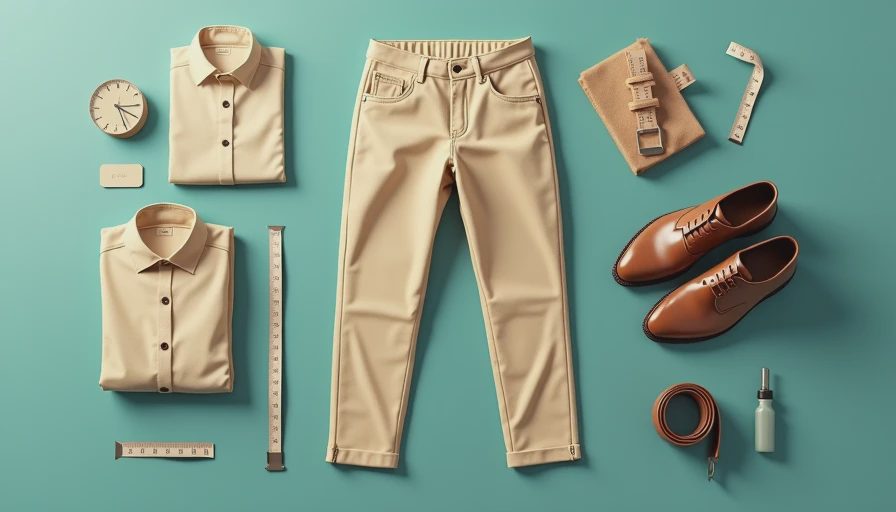
Take two sizes into the fitting room. Put on the shoes you expect to wear with them, or at least a similar pair. Fasten the top button, sit down, stand up, and walk several steps. This catches problems that a mirror misses.
Reach into each pocket. If the pocket lining pulls or the opening gapes, try a fuller cut. Turn sideways and check whether the waistband rolls. Then pinch a small amount of fabric at the thigh. You need room to move, but more than about an inch of loose cloth can make the leg look sloppy.
Look at the back rise when you bend. If the waistband drops dramatically, the rise is too short. If the front gathers below the belt, the rise may be too long for your build. These are fit problems, not issues a belt can solve.
I once helped a customer who had returned three pairs because every one felt tight when he drove. He was buying his correct waist size but a slim cut with a short rise. We moved him to a straight fit, kept the same waist, and adjusted the hem. He came back the following week for another color. That is how the best chino pants usually get found: not through a clever description, but through five minutes of honest testing.
Building a useful rotation
Most men need three pairs before they need six. Start with navy, khaki, and gray. That gives you combinations for blue shirts, white shirts, polos, sweaters, and casual sport coats. If you wear chinos four days a week, buying two pairs of the same dependable cut is smarter than collecting several different fits.
Wash cotton chinos according to the care label, but cold water and a low dryer setting will usually help preserve color and shape. Remove them promptly rather than leaving them in a hot dryer overnight. Hang them from the waistband or fold them along the crease. A quick iron or steamer is enough; there is no reason to treat a pair of everyday pants like a museum exhibit.
For travel, choose a midweight fabric with modest stretch and a darker color. For summer, a lighter tan or cotton-linen blend can work, though linen wrinkles more quickly. For fall and winter, heavier twill looks better with flannel shirts and sweaters and holds its shape under a jacket.
The short buying checklist
Before paying, confirm the waist stays put without a belt, the seat does not strain, and the pockets lie flat. Check the hem against your shoes. Read the fiber content and look for a fabric that feels substantial rather than thin and shiny. Finally, sit down for a full minute. If you are already thinking about the waistband, these are not the best chino pants for you.
You do not need a closet overhaul. Find one good fit, buy a second color, and have the length finished properly. Try it on. That's what the fitting room is for.

No comments yet — grab the first one.