A button down chambray shirt is one of those purchases that earns its place by being useful. It works for a Saturday hardware-store run, a casual office, a road trip, or dinner when a T-shirt looks a little too relaxed. I have watched men buy this shirt in one color, wear it twice in a week, then come back for another. That is usually a good sign.
Chambray is a woven fabric, commonly cotton, with a colored thread running one direction and a white thread running the other. It looks similar to denim from a distance but is generally lighter and softer. The button-down collar adds a little order without making the shirt look stiff. You get a dependable shirt that does not require much thought.
What Makes Chambray Different From Denim
People use the terms interchangeably, but they are not the same cloth. Denim is usually a heavier twill, with a diagonal texture and more weight. Chambray uses a plain weave, which gives it a flatter surface and easier movement. A lightweight shirt can feel comfortable in a warm room, while a medium-weight version is more useful in spring and fall.
When you are shopping, hold the shirt by the shoulders and give it a gentle shake. Thin fabric will move freely and show more light. That is not automatically bad, but an extremely thin shirt can look tired after repeated washing. For regular wear, I prefer a fabric that has some body without feeling like workwear. In a button down chambray, a medium cotton weave generally gives the best balance of comfort, durability, and a clean appearance.
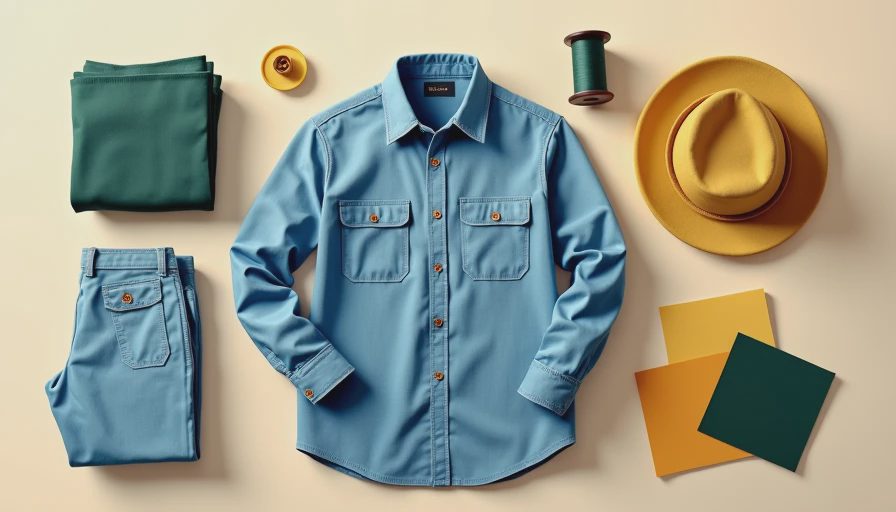
The color usually ranges from pale blue to a darker work-shirt blue. Pale blue is easier with khaki, tan, olive, and gray trousers. Darker blue looks better with lighter chinos and can handle a casual jacket. Avoid buying based only on the folded shirt on the shelf. Lighting changes the color, and the fitting room tells the truth.

How a Button Down Chambray Shirt Should Fit
Start with the shoulders. The seam should sit near the point where your shoulder ends, not halfway down your upper arm. If the seam drops too far, the entire shirt looks oversized even when the chest measurement is correct. If the seam pulls inward, try the next size up before blaming the fabric.
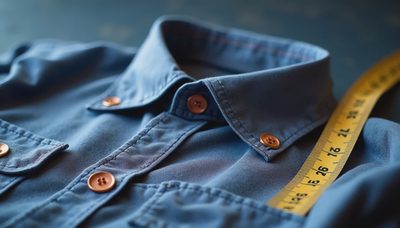
The collar should sit flat around your neck with enough room for two fingers. You do not need to wear a tie with this shirt, but the collar should not spread out like a broken umbrella. A button-down collar should lie neatly under a sweater or casual jacket. The buttons should stay closed without pulling across the chest or stomach.
For length, the shirt should cover your waistband and stay there when you reach for something. If you plan to wear it untucked, a shorter casual cut is easier to manage. A shirt designed for tucking may hang too low and look like you borrowed it from your taller brother. Sleeve cuffs should land at the wrist bone. These are small measurements, but they separate a shirt you reach for from one that sits untouched in the closet.
What to Wear With It
A button down chambray works best when the rest of the outfit is simple. With flat-front khakis and brown leather shoes, it looks ready for a casual office or Sunday lunch. With dark jeans and clean boots, it becomes a straightforward weekend outfit. With gray wool trousers and a soft navy blazer, it can handle a relaxed business setting, provided the shirt is pressed and the fit is right.
The main concern is contrast. A dark blue shirt with dark blue jeans can look like one uninterrupted block. If you prefer that combination, choose clearly different textures or shades. A pale shirt with dark denim is easier. For summer, try rolled sleeves, tan chinos, and a canvas belt. For colder months, add a crew-neck sweater in gray, oatmeal, or burgundy. Leave the collar points outside the sweater only if they lie flat; forcing them out makes the outfit look fussy.
A brown belt with brown shoes is the safe route, but you do not need to match every piece exactly. Black shoes can work with gray trousers and a darker button down chambray, especially for a casual office. Keep the rest quiet. There is no prize for adding five details to a shirt that already does the job.
Choosing Weight, Buttons, and Care
Look at the button spacing and stitching before you buy. Buttons should be sewn securely, with no loose threads at the placket or cuffs. A collar that feels limp in the store will not become firmer after washing. Pearl-style buttons are common and fine, but they are not proof of quality. Construction matters more than a shiny button.
A light shirt is useful in warm weather and under a jacket, but it can wrinkle quickly. A heavier shirt resists wrinkles and lasts well, though it may feel too warm indoors. If you travel, a medium-weight cotton blend can be practical because it dries faster and often needs less ironing. Follow the care label, wash in cool water, and avoid high dryer heat. That helps reduce shrinkage and preserves the collar.
Most shirts benefit from being removed from the dryer while slightly damp and hung immediately. Smooth the placket, cuffs, and collar with your hands. This takes less time than ironing a shirt that has been left in a hot dryer for an hour. If the garment is labeled dry clean only, treat that instruction seriously, but most everyday chambray shirts are made for ordinary washing.
Common Buying Mistakes
The first mistake is buying too large because the fabric is casual. Relaxed does not mean shapeless. A little room through the body is useful, but shoulder seams still need to land correctly. The second mistake is buying a very dark shirt that looks almost identical to denim. It can work, but a medium blue usually gives you more combinations.
Another common problem is choosing a shirt with too much decoration. Contrast stitching, oversized pockets, heavy snaps, and dramatic fading push the garment toward a work shirt. That may be exactly what you want, but it will not cover as many occasions. If you want one dependable shirt, look for a plain front, modest collar, and restrained stitching.
I also see men ignore the tail length. They try the shirt on while standing still, then discover at home that it rides up whenever they sit. Bend, reach, and raise both arms in the fitting room. Nobody wins a prize for leaving the store quickly. Try it on. That's what the fitting room is for.
The Purchase That Usually Pays Off
A button down chambray is not a garment that needs a complicated explanation. Buy a color you can wear with at least three pairs of trousers, select cotton with enough weight to hold its shape, and fix the shoulders before worrying about the waist. A price around $35 to $80 can buy a solid everyday shirt at a department store, while sale racks often bring the cost lower.
My practical recommendation is a medium-blue shirt with a regular or trim-but-not-tight cut, a button-down collar, and minimal decoration. Wear it with khakis when you want to look put together, with jeans when you want ease, and under a sweater when the temperature drops. If the first one fits properly and survives several washes without twisting at the seams, buy the second color. That is how a useful shirt earns closet space.



No comments yet — grab the first one.