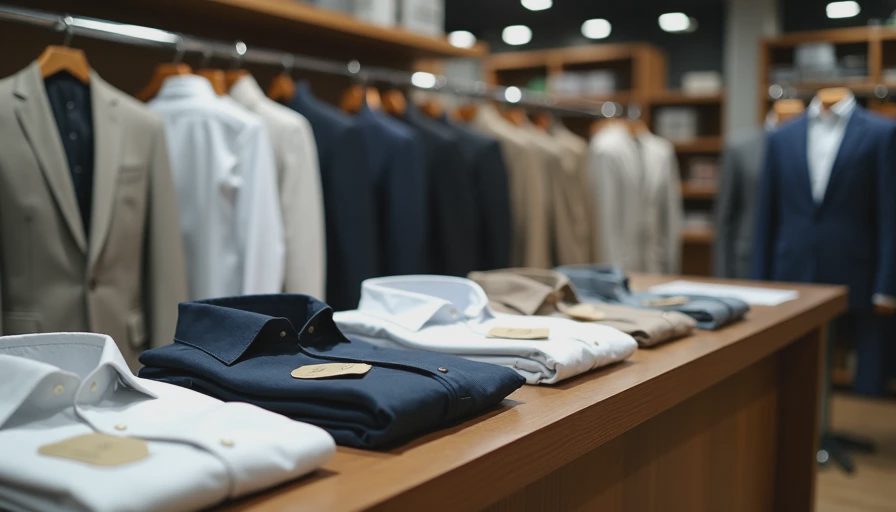
The Truth Behind the Returns Counter
If you want to know what men really think about clothing, don’t look at what they buy. Look at what they bring back.
In thirty years running the men’s floor, I’ve seen every possible return. Some items fly off the racks and never come back. Others come back so often we practically keep a special area for them near the register.
Today I’m sharing the honest return-rate reality I’ve observed over decades. No corporate spin. Just floor-level truth.
The Top Return Offenders
Here’s what comes back most frequently, in rough order:
1. Dress Shirts (Especially White and Light Blue)
Men buy them with good intentions for work or events, then discover the collar gaps, sleeves are wrong, or the fabric feels cheap after one wash. Returns spike two weeks after big sales.
2. Sport Coats and Blazers
The shoulders are wrong. The length is off. They looked great in the store mirror but feel restrictive in real life. These are expensive returns, so they hurt.
3. Dress Pants and Chinos
Wrong break, wrong waist fit, or they shrink after the first washing. Many men buy without sitting down in them first.
4. Polo Shirts
The biggest surprise for many customers. They look simple but are surprisingly hard to fit right — especially around the shoulders and stomach.
5. Sweaters
Beautiful in the store, itchy or shapeless after one wear. Or they pill badly after washing.
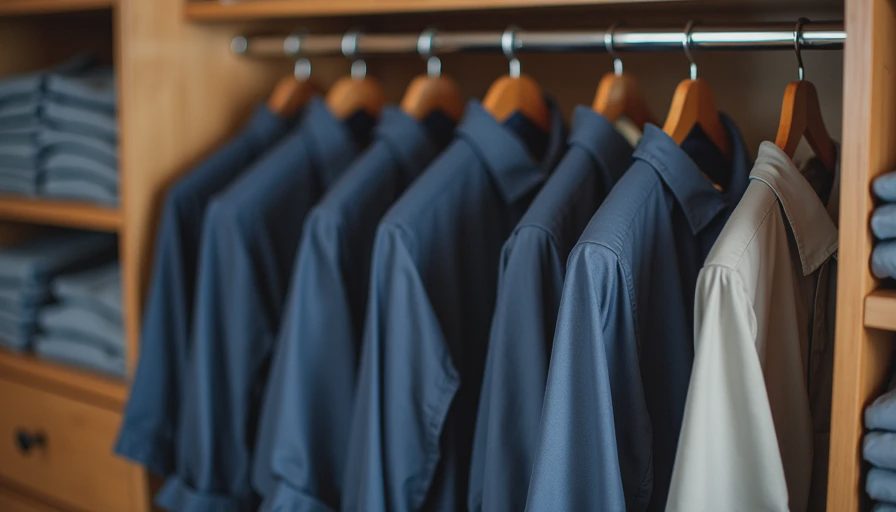
Why These Items Come Back
The common thread? Men buy with hope instead of information.
They stand in the fitting room for ninety seconds, look in a mirror under bad lighting, and make a decision. Two weeks later, when they actually wear the item in real life — sitting at a desk, driving, attending a meeting — the problems become obvious.
Returns aren’t usually because the customer is picky. They’re because the item failed to deliver on basic expectations: comfort, fit, and durability.
What Almost Never Gets Returned
These are the items that tend to stick:
Well-made basic dress shirts in the customer’s correct size and preferred fabric weight.
Quality leather belts (once they get the right size).
Solid wool or wool-blend sport coats when the shoulders are right.
Classic chinos in neutral colors that fit properly in the waist and length.
Simple crew neck sweaters in merino wool or good cotton blends.
The pattern is clear: simple, well-fitted classics in good materials tend to stay.
The Psychology of Returns
Men hate returning things. It feels like admitting defeat. So when something comes back, it means the frustration finally outweighed the inconvenience of bringing it back.
I’ve had guys apologize when returning items. “I really wanted this to work,” they’ll say. I always tell them the same thing: “Better to bring it back than wear something that makes you miserable.”
The best customers are the ones who return things quickly and honestly. It saves everyone time.
Lessons You Can Use Immediately
From watching these patterns for decades, here’s my advice:
Always sit down in pants and jackets. If it doesn’t feel good when seated, it won’t work.
Test movement. Raise your arms. Reach for something on a high shelf. Walk around.
Consider fabric weight. Lightweight dress shirts wrinkle badly. Heavier ones travel better.
Buy core colors first. Navy, gray, white, khaki. Trendy colors come back more often.
Ask about return policies before buying. But don’t rely on them as a safety net.
A Story That Still Makes Me Smile
One December, a man in his late 30s bought six different polo shirts for holiday events. Brought back five of them after Christmas. Only one survived — a simple navy one that fit perfectly.
He came back in January and bought four more of that exact polo. Learned his lesson the expensive way.
I’ve seen this pattern hundreds of times. Trial and error is expensive. Learning what actually works is priceless.
What This Teaches Us About Real Wardrobes
The items that get returned most are usually the ones where men were guessing instead of knowing.
When you understand your body, your needs, and what actually lasts, you buy fewer things — but those things stay in your closet for years.
That 50-year-old guy who bought four identical shirts? Zero returns. He knew what worked.
My Honest Recommendation
Next time you’re tempted to buy something trendy or complicated, ask yourself: “Would I buy three of these if they fit perfectly?”
If the answer is no, maybe reconsider.
Focus on mastering the basics first. Get your dress shirts right. Get your shoulder fit right. Build from there.
The clothes that stay in your closet aren’t the flashiest. They’re the ones that simply work, day after day.
Closing Thought from the Floor
Returns aren’t failures. They’re expensive lessons.
The smartest men I’ve served over the years learned from what came back and adjusted. They built reliable wardrobes instead of collections of almost-right items.
Pay attention to what gets returned — both by you and by others. Those patterns tell you what’s actually worth owning.
Try it on properly. Move in it. Think about how it will feel after ten washings. And don’t be afraid to bring it back if it’s not right.
Your closet — and your wallet — will thank you.




No comments yet — grab the first one.