If you are searching for how to dress for your body type men, you probably do not need a closet full of expensive clothes. You need better proportions, honest measurements, and a willingness to try on two sizes instead of grabbing the one you always buy. I spent 30 years on a men's department floor in St. Louis, and the same lesson came up every day: a reasonably priced shirt that fits will beat an expensive shirt that does not.
Your body does not need correcting. Clothing needs adjusting. Broad shoulders, a round middle, long arms, narrow hips, or a short torso are all ordinary measurements I have worked with thousands of times. The goal is to make the whole outfit look balanced and comfortable, not to disguise yourself.
Start With Fit, Not Body Labels
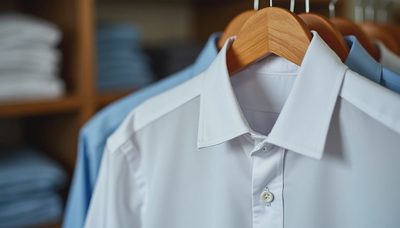
The first step in how to dress for your body type men is learning what correct fit looks like. A shoulder seam belongs at the edge of your shoulder, not halfway down your upper arm. On a dress shirt, you should be able to slide two fingers between your neck and the collar without choking yourself. If you need to pull your chin forward to button it, try a larger collar and have the body tailored.
A jacket should close without forming an X-shaped burst of wrinkles across your stomach. The sleeves should show roughly a quarter to a half inch of shirt cuff when your arms rest naturally. Trouser pockets should lie flat. If they gape, the pants are too tight, even if the waistband closes.
I once helped a customer who insisted he wore a 42 Regular. The jacket pulled across his middle and the sleeves covered his hands. A 44 Short, with a minor sleeve adjustment, made his shoulders look cleaner and gave his arms room. He had been buying the wrong size for years because he trusted the number more than the mirror. Try it on. That's what the fitting room is for.
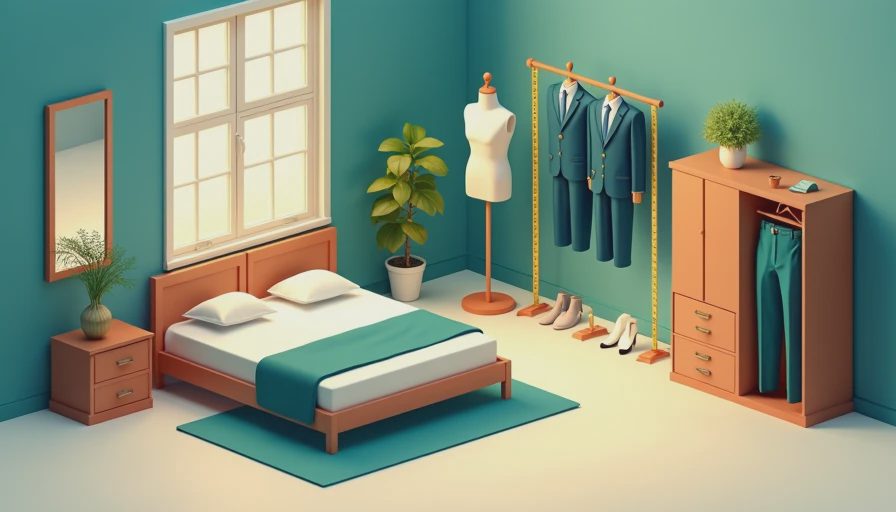
Dressing a Broad or Athletic Build
Men with broad shoulders and a narrower waist often have the easiest time finding jackets, but shirts and trousers can still create trouble. A standard dress shirt might fit the chest while leaving a balloon of fabric at the waist. Look for tailored or slim cuts only when the chest and armholes remain comfortable. Slim should mean less extra fabric, not a shirt that restricts breathing.
A two-button jacket with moderate lapels gives a broad frame a clean line. Dark navy, charcoal, and medium gray are dependable choices because they work for interviews, dinners, church, and many business settings. Straight-leg trousers usually look more balanced than extremely narrow legs. With casual shirts, leave enough room to sit and reach forward without the buttons pulling apart.
For how to dress for your body type men with a strong upper half, the main rule is simple: do not make the lower half look dramatically smaller. A little visual weight in the trousers keeps the outfit from looking top-heavy. Medium-weight cotton, denim, or wool blends generally hang better than thin fabric that clings to every movement.
Dressing a Rounder Middle
When your middle is fuller, the answer is not automatically an oversized shirt. Excess fabric makes the body look larger and can create drooping shoulders. Choose shirts that fit your neck and shoulders first, then ask about alterations or try a different cut. A shirt hem that reaches the lower part of your seat gives you useful coverage without looking like a tunic.
Flat-front trousers with a moderate rise can sit smoothly if the waistband is the right size. A slightly higher rise often feels better than low-rise pants that dig into the stomach when you sit. Pleats are not a magic solution, but one or two forward-facing pleats can provide comfortable room when the fabric hangs correctly. Avoid pants so tight that the pockets flare.
Vertical lines help, but you do not need to dress in black from head to toe. A navy overshirt over a lighter blue shirt, or a charcoal jacket over a pale gray polo, creates an orderly column. Keep belts, shoes, and jacket colors coordinated enough that the eye does not stop at your waist.
Dressing a Shorter or Longer Torso
Men with shorter torsos often look better when the shirt and trousers are close in value rather than sharply divided. A tucked shirt with a moderate-length jacket can create a longer uninterrupted line. Avoid jackets that extend far below the seat because they shorten the legs visually. Trouser hems should have a small break, not a large stack of fabric around the shoe.
A longer torso can benefit from a jacket that ends near the seat and trousers with a proper rise. A contrast belt can divide the outfit, but do not make it the most noticeable item in the room. Medium-scale patterns usually work better than tiny checks or oversized windowpanes. The point is proportion, not a trick.
How to dress for your body type men with unusual proportions often requires trying separate jacket and trouser sizes. Department-store suit separates are useful here. You might buy a 44 jacket and 38 trousers rather than forcing yourself into a matched 44 Regular suit that fits neither half correctly.
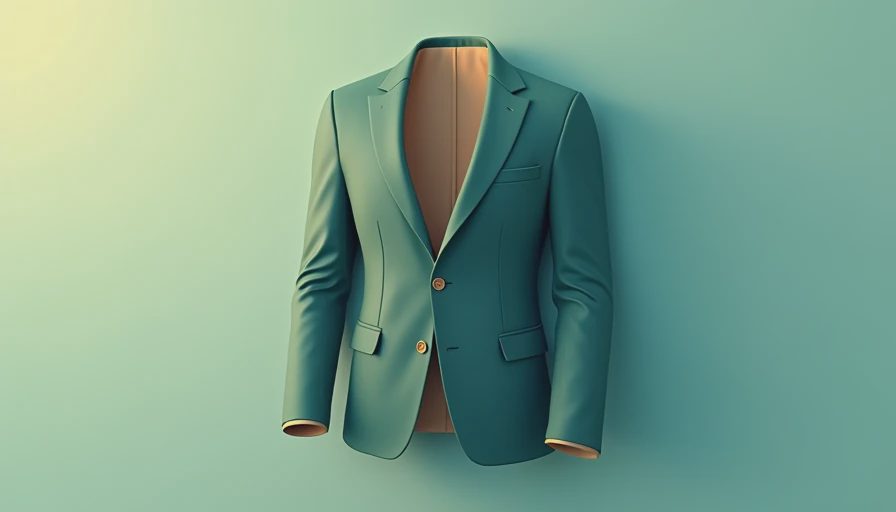
Choosing Shirts, Jackets, and Trousers Together
Think about the outfit from the shoulders down. If the shirt is patterned, keep the jacket quiet. If the jacket has a noticeable texture, use a solid shirt. This is not a strict rule, but it prevents the common department-store mistake of combining three competing patterns in one outfit.
For work, a light blue dress shirt, navy blazer, gray trousers, and brown leather shoes will handle many situations without looking stiff. For a family dinner, replace the dress shirt with a knit polo and keep the jacket if the restaurant calls for something nicer. For a funeral or formal service, charcoal or navy is respectful and versatile; a black suit is useful but not the only appropriate choice.
A man with a larger frame often benefits from fabrics with enough weight to hang cleanly. A man with a slender frame may prefer oxford cloth, flannel, or a light wool blend instead of very thin poplin. Read the care label, feel the fabric, and check whether the seams sit flat. Clothes that twist after one wash are not a bargain at any price.
A Fitting-Room Routine That Works
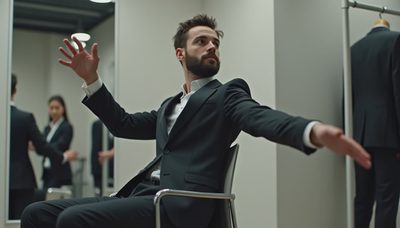
Bring the shoes you normally wear, or something with a similar heel height. Put on the shirt or jacket and stand naturally. Raise your arms, sit down, reach forward, and button everything you expect to button. Look at the back as well as the front. A garment can look fine in a mirror and pull badly across the shoulder blades.
Check the three expensive-to-ignore areas: shoulders, collar, and seat of the trousers. Tailors can shorten sleeves, adjust a waist, and taper a trouser leg. They cannot easily rebuild a jacket shoulder or add several inches to a short coat. That is why getting the base size right matters more than finding a sale price.
For how to dress for your body type men on a budget, spend alteration money on the jacket and trousers first. A $90 blazer with $25 in sleeve work can look better than a $250 blazer worn in the wrong size. Keep receipts until you have worn the item indoors with the rest of the outfit.
Build a Reliable Wardrobe
Start with clothes that can work in at least three settings. A navy blazer, gray trousers, dark straight-leg jeans, two solid oxford shirts, a white dress shirt, a medium-blue polo, and clean brown or black leather shoes will cover more ground than a rack of novelty pieces. Add a charcoal suit when your work or family calendar requires one.
Buy the same successful shirt in another color if the collar, sleeve, and body fit correctly. Department stores often carry several cuts under the same size, so read the tag rather than assuming every large or 16-and-a-half neck fits alike. If an outfit feels comfortable after sitting for ten minutes and still looks tidy when you stand, you are close.
The practical answer to how to dress for your body type men is not a secret formula. It is accurate measurement, sensible proportions, fabric that hangs properly, and enough patience in the fitting room to reject the wrong size. You do not need to look younger or thinner. You need clothes that meet your shoulders, close without strain, and let you move through an ordinary day without thinking about them.

No comments yet — grab the first one.