Clothes for men over 50 do not need to be complicated, expensive, or covered in a designer logo. After 30 years on a department store men's floor, I have learned that most men want three things: a comfortable fit, a reasonable price, and a closet that works without requiring a morning committee meeting. That is a sensible request.
The common mistake is buying garments by size alone. A large shirt from one manufacturer can fit like a medium from another, and a pair of 36-inch trousers can differ noticeably at the waist and seat. Try it on. That's what the fitting room is for. Your shoulders, stomach, arms, and posture matter more than the number printed on a tag.
Start with fit, not age
The best clothes for men over 50 fit the body you have now. Do not buy a smaller size as a motivational speech to yourself. It will sit in the closet with the tags attached, accomplishing nothing but taking up a hanger.
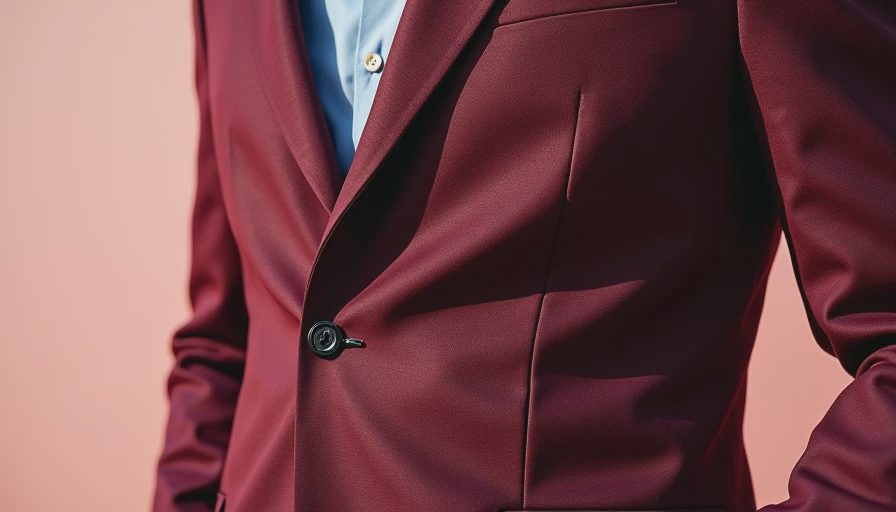
Begin with the shoulders on a jacket or sport coat. The seam should finish where your shoulder finishes. If it extends two inches past the shoulder, the garment is too broad, and no tailor can make that correction cheaply. On a shirt, the collar should close without choking you, while the fabric should lie reasonably flat across the chest and stomach.
Trousers should sit securely at the waist without needing a belt pulled tight enough to create folds. A little room in the seat and thigh is useful for walking, driving, and sitting through a grandchild's school program. Straight or gently tapered legs usually look cleaner than very wide legs, but comfort comes first. A tailor can shorten trousers for roughly $15 to $30 in many department stores, which is cheaper than living with a sloppy break.
Build a useful everyday wardrobe
A working closet does not need thirty shirts. It needs dependable combinations. Start with two pairs of flat-front chinos in navy, khaki, or olive, plus one pair of dark, straight-leg jeans without dramatic fading or tears. Add five or six shirts: white or blue oxford cloth, a checked button-down, a knit polo, and two seasonal options.
For clothes for men over 50, texture often does more work than a loud pattern. An oxford shirt has enough substance to avoid looking flimsy, while a 10- to 12-ounce cotton or cotton-blend chino can survive regular washing better than a paper-thin pair. In colder weather, a merino sweater or cotton quarter-zip adds warmth without making you look like you are headed to a ski lodge.
One navy sport coat is worth more than three novelty jackets. Wear it with gray trousers for dinner, chinos for a family gathering, or dark jeans for a casual event. Look for a jacket with a natural shoulder, two-button front, and enough room to button without pulling. A jacket in the $150 to $300 range from a regular department store can serve for years if it fits properly and gets brushed rather than thrown over a chair.
Choose colors that cooperate
Most men do not need help finding a bright shirt. They need help finding trousers that work with the shirts already in the closet. Navy, gray, tan, brown, and olive are useful because they combine without much thought. A pale blue shirt works with navy, gray, khaki, and brown. A white shirt works with nearly everything and remains the safest choice for a dressier occasion.
This is where clothes for men over 50 become practical rather than theoretical. If you buy a pair of rust-colored trousers, you have created a problem that requires more purchases. If you buy navy chinos, you have added several outfits immediately. I watched men make this decision thousands of times. The unusual color looked appealing under store lighting, then came back two weeks later because it had nothing to keep it company.
Patterns should be moderate. A small check or narrow stripe is easy to wear. Very large prints draw attention to the shirt before anyone notices the man wearing it. That is not a hard rule, but it is a useful test: if the pattern speaks first from twelve feet away, put it back on the rack.
Dress for ordinary occasions
The clothes for men over 50 that earn their keep are the ones ready for real events: church, dinner, a graduation, a meeting, or a funeral. Keep one charcoal or navy suit in good repair, even if you wear it only a few times a year. The jacket should fit through the shoulders, and the trousers should be hemmed. A suit that is technically your size but never altered still looks borrowed.
For a wedding or graduation, wear the suit with a light dress shirt and a restrained tie. For a restaurant, lose the tie and use the navy sport coat with a knit polo or open-collar shirt. For a funeral, choose dark, quiet clothing rather than trying to make a personal statement. These are not difficult choices when the basic pieces are waiting in the closet.
Shoes matter because worn-out soles and collapsed heels undermine otherwise good clothing. A pair of brown leather lace-ups, black dress shoes, and clean casual loafers will cover most situations. Replace shoes when the sole is unsafe or the upper has permanent creasing and damage. Polish is cheaper than replacement, but polish cannot rescue a shoe that has been worn into retirement.
Shop smarter at a department store
When shopping for clothes for men over 50, take two sizes into the fitting room. Try the size you normally buy and the one above or below it. Manufacturers change measurements, and vanity sizing has made tags less reliable. Move your arms, sit down, button the shirt, and walk several steps. If the garment only works while you stand perfectly still, it does not work.
Bring the shoes you normally wear if you are buying trousers. The hem looks different with a boot than with a low-profile loafer. Ask an employee to check the back of the collar and the jacket length. A good floor associate will not be offended by a question about sleeve length; that is why the fitting room exists.
Look at fabric content and care instructions before paying. Cotton blends can reduce wrinkling, wool breathes well in a jacket, and washable materials save dry-cleaning trips. A $40 shirt worn twice is more expensive in practical terms than a $70 shirt worn every week for two years. Price matters, but cost per wear is the number that tells the truth.
The small details that make clothing look finished
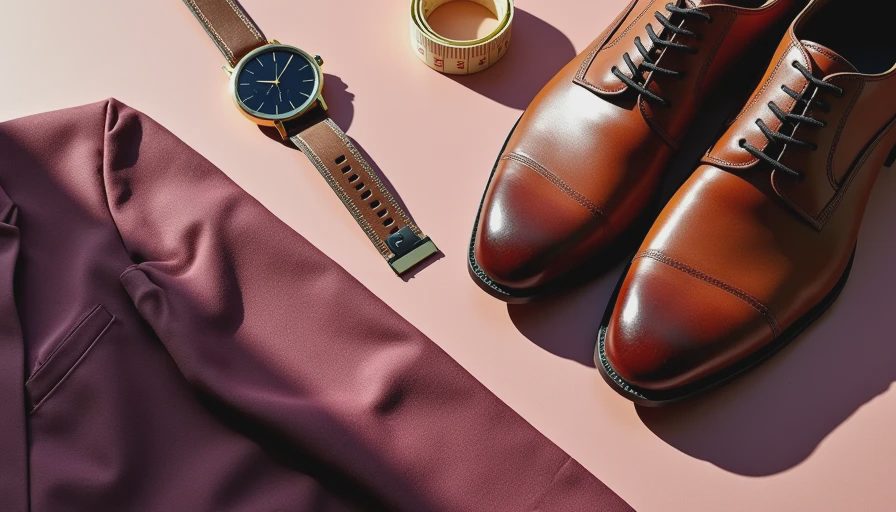
Clothes for men over 50 look better when the maintenance is handled. Keep shirts on proper hangers, remove suit jackets from the car before they wrinkle, and let shoes rest at least a day between wears. A simple cedar shoe tree can help a good pair hold its shape, though it does not need to be expensive.
Keep belts close to the color of your shoes when dressing up. Match the formality of the watch and jewelry to the occasion, and skip accessories that constantly require adjustment. Socks should reach high enough that bare calf does not appear when you sit down. It is a small detail, but small details are usually what people notice after the broad impression is made.
At the counter, I often saw a man spend $200 on a jacket and refuse a $20 alteration. That is backwards. A modest jacket with the sleeves corrected and the waist sitting properly will look better than a costly jacket hanging off the shoulders. Buy fewer pieces, fit them carefully, and wear them regularly.
A simple buying checklist
Before purchasing clothes for men over 50, ask five questions. Does the shoulder seam land correctly? Can you sit and move without pulling? Does the item work with at least three things you already own? Is the fabric suitable for how often you will wash or dry-clean it? Would you choose it again if the logo and sale sign were removed?
If the answer is yes across the board, you probably have a useful purchase. If not, leave it behind. The sale rack is not a savings if the garment stays unworn. Start with the navy trousers, the blue shirt, the dependable jacket, and the shoes that can handle a full day. Those are the pieces that make getting dressed easier next week, next month, and next year.
You do not need to dress younger. You need clothes that fit, function, and look like you made a decision. Try them on, check the shoulders, and buy what earns its hanger.




No comments yet — grab the first one.