A dress shirt should close comfortably at the neck, sit flat across the chest, and let you move your arms without pulling at the buttons. That sounds simple until you are standing in a department store with three different size labels in your hands. This dress shirt size chart will help you measure yourself, understand what those numbers mean, and avoid buying a shirt that goes straight back in the box.
I spent 30 years on a men's department floor in St. Louis. I saw men grab a 16 because that was the size they wore in college, then wonder why the collar felt like a dog collar. I also saw men buy a 34-inch sleeve because the number sounded close, even though the cuff covered half their hand. The label is only a starting point. The fit is what matters.
How to Read a Dress Shirt Size Chart
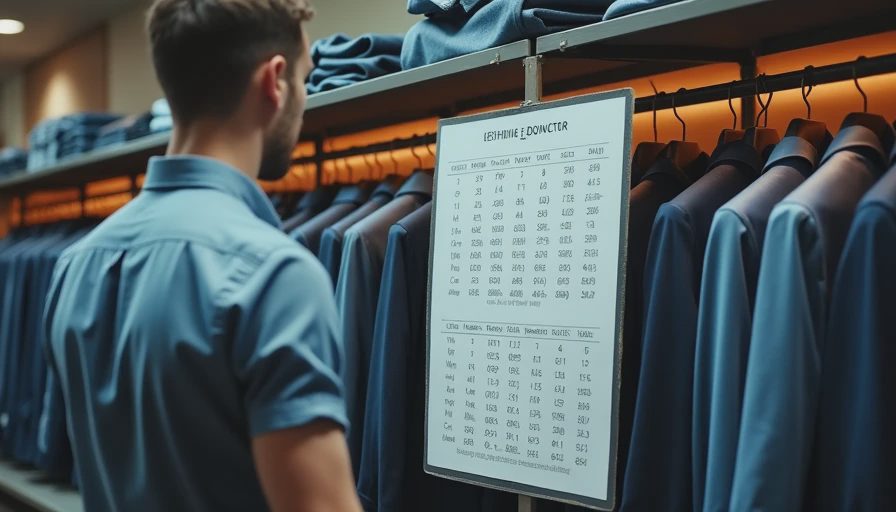
Most men's dress shirts use two numbers: neck size and sleeve length. A label reading 16-34 means a 16-inch neck and a 34-inch sleeve. Some shirts add a fit description such as slim, regular, classic, or relaxed. Others use small, medium, and large sizing, especially casual button-downs. Those letters are less precise, so the garment's measurement chart becomes more important.
The neck measurement is usually listed in half-inch increments, from about 14 to 18 or higher. Sleeve lengths often appear as 32-33, 34-35, or individual numbers. A 16-34/35 shirt is designed for a man whose sleeve measurement falls in that range, but manufacturers do not all cut shirts identically. One brand's regular fit can resemble another brand's relaxed fit.
Chest measurements help explain the difference. A 16-inch neck shirt might be cut for a 40-inch chest in a slim fit, a 42-inch chest in a regular fit, or a larger chest in a classic fit. Do not assume the same neck and sleeve numbers guarantee the same room through the torso. This dress shirt size chart is useful, but the fit label and actual garment measurements still deserve a look.
Measure Your Neck, Sleeve, and Chest at Home
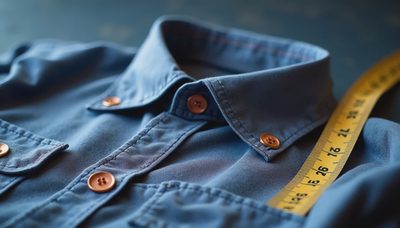
You need a flexible tape measure and another person if possible. Stand naturally, without puffing out your chest or sucking in your stomach. For the neck, place the tape where the collar normally sits, just above the collarbone and around the base of the neck. Keep one finger between the tape and your skin. Add that finger's worth of room to the measurement. If you measure 15 3/4 inches, a 16-inch collar is usually the practical choice.
For sleeve length, start at the center back of your neck. Run the tape over your shoulder, down the outside of your arm, and stop at the wrist bone. Keep your arm slightly bent. If the measurement lands between common sizes, try both lengths. The cuff should end at the wrist, with about a half-inch of shirt cuff visible beyond a jacket sleeve.
Measure your chest around the fullest part, keeping the tape level under your arms. Do not pull it tight. A 42-inch chest does not automatically mean you need a 16 1/2 collar, but it helps you choose between slim, regular, and classic cuts. Write down all three measurements before shopping. Memory has a habit of improving old measurements by two inches.
Use Your Best-Fitting Shirt as a Reference
If you already own a shirt that fits well, lay it flat on a table and measure it. Measure from armpit seam to armpit seam, then double that number for the approximate chest. Measure the sleeve from the shoulder seam to the end of the cuff. Measure across the shoulders from seam to seam. These numbers give you a useful comparison when online retailers publish garment measurements instead of body measurements.
Look at the collar, too. Button it and place two fingers between the collar and your neck. Two fingers should fit without forcing the button or leaving a wide gap. If you need to loosen the top button to breathe, the collar is too small. If four fingers fit easily, the collar is likely too large for a neat appearance under a jacket.
A customer once brought in a shirt he had worn for years. The sleeves and collar were right, but the body ballooned around him. We matched the neck and sleeve numbers, then moved him from classic fit to regular fit. He left with a cleaner shirt and the same comfortable collar. That is the advantage of using a proven shirt as your reference.
Choose Between Slim, Regular, and Classic Fits
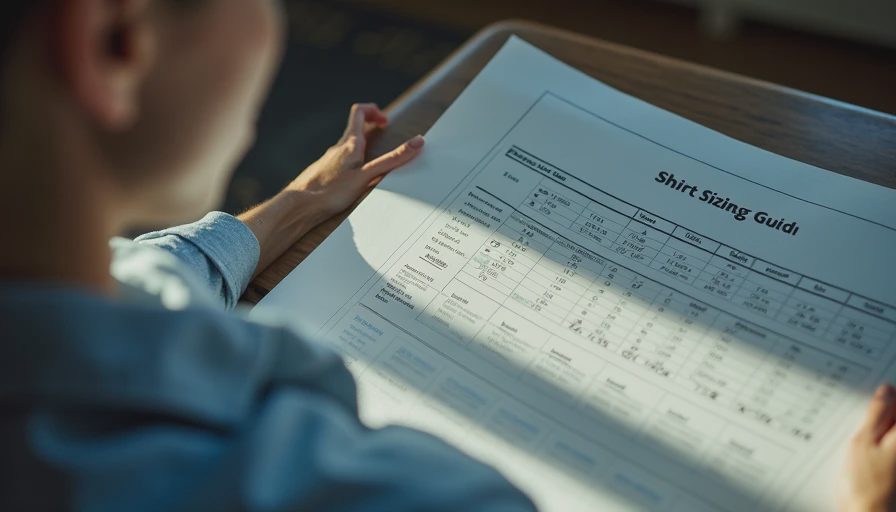
Slim fit shirts have less fabric through the chest and waist. They work well for a trimmer torso, but they are not automatically better. If the buttons pull into little horizontal wrinkles, the shirt is too narrow. If the back feels tight when you reach forward, move up in size or try regular fit.
Regular fit gives you moderate room through the body. For many men, it is the safest place to start, particularly for an office shirt worn under a sport coat. Classic or relaxed fit adds more room at the waist and often hangs straighter from chest to hem. It can be comfortable without looking oversized, provided the shoulder seams end near the shoulder edge.
Do not solve a sleeve problem by buying a larger neck size. A bigger shirt may add room at the collar while making the shoulders and torso too wide. If the neck is right but the sleeve is short, look for a different sleeve length. If the brand only offers one sleeve length, a tailor can often shorten a cuff, though adding length is much harder.
Signs the Shirt Fits Correctly
When the top button is closed, the collar should touch your neck without choking you. The shoulder seam should sit where your shoulder ends, not halfway down your upper arm. The sleeves should allow you to bend your elbows and drive without pulling the cuffs above your wrists. Across the chest, the fabric should lie mostly flat with no constant strain at the buttons.
The shirt tail should stay tucked when you raise both arms. If it comes loose immediately, the shirt may be too short or too narrow through the seat. The cuffs should close around your wrists with enough room for a watch, but they should not slide over your hand. These details tell you more than a familiar size number.
Use this dress shirt size chart as a measuring guide, not a promise that every brand will fit the same. Materials also behave differently. A 100 percent cotton shirt can feel firmer before washing, while a cotton blend often has more give. Heavy broadcloth holds its shape; a lightweight poplin drapes more easily and can show pulling sooner.
Buying Online and Avoiding Returns
Start with your neck, sleeve, and chest measurements. Then compare them with the retailer's body chart and garment chart. Read whether the measurements are for the person or the shirt itself. A garment chest measurement of 46 inches is not intended for every man with a 46-inch chest; the shirt needs extra room for movement.
When ordering between sizes, prioritize the collar and shoulders. A tailor can adjust a shirt's sides, but changing the collar is usually expensive and changing the shoulders is rarely sensible. Order from a retailer with a clear return window, keep the tags attached, and try the shirt indoors over a thin undershirt. That gives you time to check the collar, reach forward, and sit down before committing.
For a first purchase from a new brand, order one shirt rather than three. Compare it with your best-fitting shirt when it arrives. If the collar is right but the body is too generous, try a narrower fit in the same neck and sleeve size. If the chest is tight, do not hope the fabric will perform a miracle after washing.
The dress shirt size chart gets you close, but your measurements and the fitting room finish the job. Bring the tape, compare the cut, and pay attention to your shoulders, collar, and sleeves. Most sizing mistakes are not complicated; they come from trusting an old label more than the man wearing the shirt. Try it on. That's what the fitting room is for.




No comments yet — grab the first one.