A kara koram parka is the sort of coat a man buys because winter has stopped being theoretical. The wind is coming through the garage, the dog still needs walking, and the old coat has a broken zipper. I have handled plenty of winter outerwear on a department-store floor, and the same mistake turns up every year: a customer buys a coat that looks substantial on the hanger but feels thin, tight, or awkward the first time he wears it over a sweater.
The name matters less than the construction. You want a coat that blocks wind, leaves enough room for normal clothing, and does not make you look as if you borrowed it from a taller brother. A good kara koram parka can be useful for commuting, errands, travel, and cold weekends, provided the fit and insulation suit your actual weather.
What to Check Before Buying
Start with the outer shell. A tightly woven nylon or polyester fabric should feel substantial without becoming stiff. Hold the material in your hand and look for a clean weave, even stitching, and reinforced stress points around the pockets. If the shell feels papery, the coat may be comfortable indoors but disappointing when the wind gets serious.
Next, examine the insulation. A parka does not need to be extremely bulky to be warm, but it should have consistent fill from the shoulders through the lower back. Run your hand over the inside and watch for obvious thin patches. Synthetic insulation is often practical for regular commuting because it dries quickly and usually costs less than premium down. Down can feel lighter, but it needs sensible care and loses much of its advantage when damp.
The hood deserves attention as well. A hood that collapses over your eyes is not much help. Look for a drawcord or adjustment that lets you keep the opening secure without squeezing your head. A high collar is useful when the hood is down, especially while standing beside a cold parking lot waiting for a car to warm up.

Getting the Size Right
Parka sizing is where many returns begin. Bring the kind of layers you actually wear. If you normally put on a flannel shirt and a medium-weight sweater, try the coat over both. Do not judge the size while wearing only a thin T-shirt in a heated store.
The shoulder seam should sit close to the end of your shoulder, not halfway down your upper arm. You need enough room to move both arms forward, but the coat should not balloon around your sides. Zip it completely, raise your arms, and reach for an imaginary steering wheel. If the back pulls hard across your shoulder blades, try the next size. If the sleeves cover half your hands while your arms rest normally, the coat is probably too large.
A useful sleeve test is simple: bend your elbows and extend your hands as if carrying groceries. The cuff should still cover your wrist. A little extra length is helpful in a winter coat, but your fingers should remain available for keys and door handles. The hem can land around the upper thigh or lower, depending on your preference and how much protection you need. A longer coat is usually more comfortable in a cold wind, while a shorter one is easier for driving.
Try it on. That's what the fitting room is for.
Features Worth Paying For
On a kara koram parka, the zipper is not a small detail. Test it several times. It should engage without fighting you, and a zipper guard should keep cold metal away from your chin. Snaps over the zipper add protection, but they should not be so stiff that you avoid using them.
Pockets should be large enough for a phone, gloves, and keys without making the coat hang unevenly. Fleece-lined hand pockets are welcome, but check whether the pocket openings sit high enough to reach comfortably while driving. An inside pocket with a zipper is useful for a wallet or travel documents. Open pockets are fine for gloves; they are poor storage for anything valuable.
Cuffs that adjust with snaps or hook-and-loop tabs are more practical than loose cuffs. They let you close the gap over a sweater sleeve. A two-way zipper can help when sitting in a car, but only if it operates smoothly. These features do not turn an ordinary coat into a miracle garment. They simply prevent the small annoyances that make a coat stay on the hall hook.
Matching the Coat to Your Weather
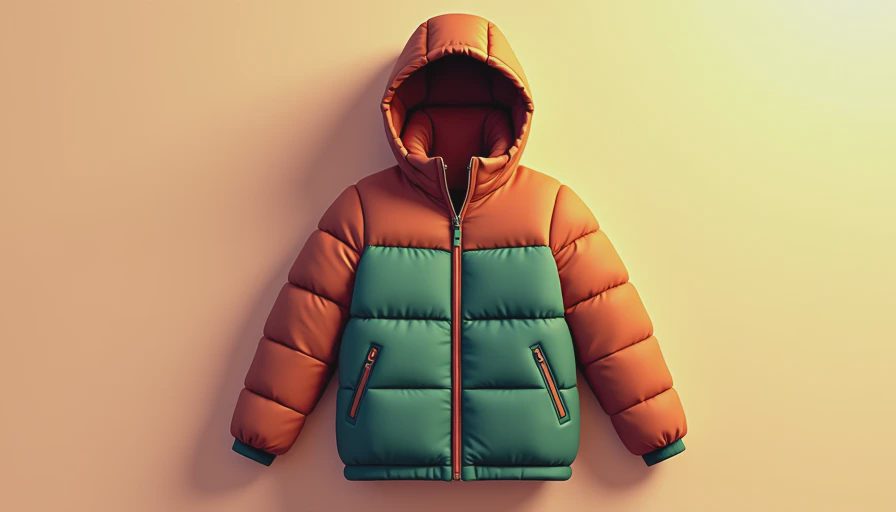
A man in St. Louis may need a coat for damp thirty-degree mornings, while someone in Minneapolis needs reliable protection in much harsher conditions. Do not buy based on a dramatic product photograph. Think about your routine. If you walk from the driveway to the office, moderate insulation and a clean fit may be enough. If you spend twenty minutes outside at a bus stop or coach a child’s winter soccer game, prioritize a longer hem, a better hood, and wind resistance.
For wet climates, a synthetic-filled kara koram parka is often the sensible choice. For dry, bitter cold, you can consider a warmer down-filled option if you are willing to follow the care instructions. A water-resistant shell helps with light precipitation, but water-resistant is not the same as waterproof. Sealed seams and a fully waterproof membrane matter when you expect sustained rain or wet snow.
Do not forget the rest of the outfit. A coat cannot compensate for thin socks, uncovered wrists, or a knit cap that leaves your ears exposed. The best winter setup is usually a base layer, a regular shirt or sweater, and the parka over everything without restricting movement.
Price, Care, and Longevity
You can find a usable winter parka around $100 to $200, while heavier construction and better insulation commonly push the price toward $250 or more. The expensive option is not automatically the better purchase. A $160 coat that fits correctly and gets worn four winters is a stronger buy than a $300 coat that looks impressive but stays in the closet.
Before paying, inspect the lining around the cuffs, pocket openings, and collar. Those areas receive constant friction. Check the care label too. Some coats can be machine washed on a gentle cycle, while others require special cleaning. Washing a down garment incorrectly can create clumps and reduce warmth. Never store a clean winter coat compressed in a tight plastic bag for months; give the insulation room to recover.
A kara koram parka should also be checked at the end of the season, not when the first cold snap arrives. Clean spilled coffee, repair a loose snap, and test the zipper in daylight. Small repairs are cheaper and less aggravating in April than in January.
The Practical Buying Decision
Before ordering, write down your usual winter layers, the coldest conditions you face, and whether you drive or walk most days. Then compare the coat’s measurements with a jacket you already own and like. Chest width, sleeve length, and back length are more useful than a vague small, medium, or large label.
If you shop in person, wear the shoes and sweater you normally use in winter. Walk around, sit down, reach forward, and raise your arms. If you shop online, study the return policy before entering payment information. A free return is valuable when two sizes appear close on paper.
My final advice on a kara koram parka is plain: buy the one that protects you without fighting your movements. You do not need a loud coat or a complicated one. You need dependable insulation, a shell that handles ordinary weather, pockets you will use, and a fit that works over real clothes. That is what separates a winter coat you wear every week from one you return before the season gets serious.





No comments yet — grab the first one.