What Your Extra Sixty Dollars Actually Buys
Every week, customers ask me the same question: “Is the more expensive shirt really worth it?”
After thirty years of unpacking boxes, fitting men, and watching shirts go through countless wash cycles, I can give you a straight answer. Sometimes yes. Sometimes no. But the reasons might surprise you.
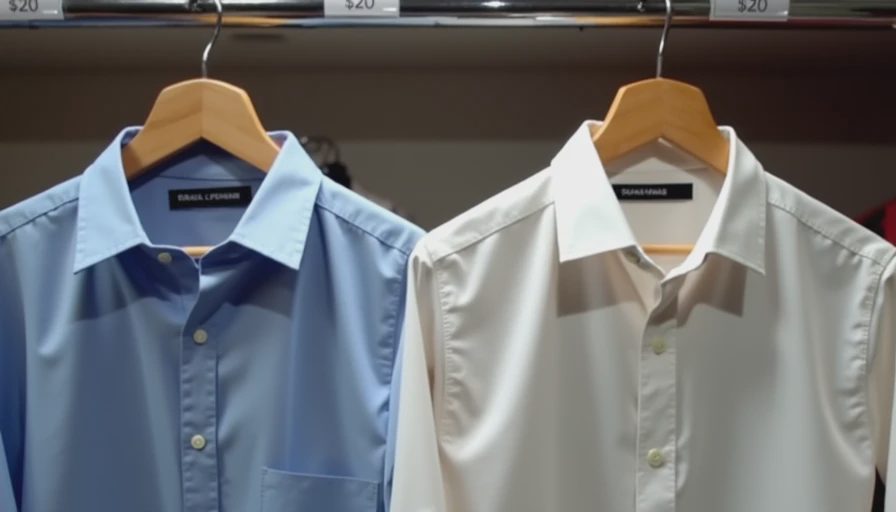
Let’s break down a typical $60 dress shirt versus a $120 one from the same department store — side by side, detail by detail.
Fabric Weight and Feel
$60 Shirt: Usually a lighter pinpoint oxford or broadcloth, around 3.5 to 4 ounces per square yard. It feels crisp when new but can become limp after repeated washing. More prone to wrinkling.
$120 Shirt: Often a heavier pinpoint or royal oxford, closer to 4.5–5.5 ounces. It has more body, drapes better, and holds its shape longer. The extra weight makes a noticeable difference in how the shirt looks at the end of a long day.
The $120 shirt usually uses better cotton — longer staple fibers that resist pilling and maintain color better. That’s where a good chunk of the price difference lives.
Stitching and Construction
This is where the real gap shows.
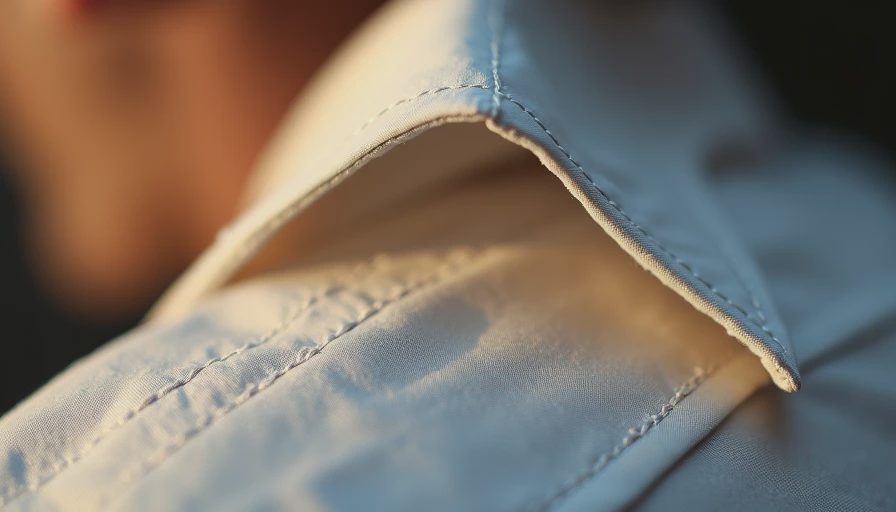
$60 Shirt: Single-needle stitching on collars and cuffs is rare. Seams might be wider with more visible puckering after washing. Buttonholes are often cut quickly and can fray over time.
$120 Shirt: Proper single-needle stitching throughout. Tighter, more even seams. Reinforced stress points. The collar has better interlining that holds shape wash after wash.
Run your fingers along the seams. The more expensive shirt simply feels more substantial. The stitching is tighter and more consistent.
Buttons and Buttonholes
Never underestimate buttons.
$60 Shirt: Plastic buttons that feel light and can crack or yellow over time. Buttonholes are basic.
$120 Shirt: Mother-of-pearl or high-quality urea buttons. They have more weight, a nicer luster, and last much longer. Buttonholes are often tighter and more precisely cut, reducing the chance of fraying.
I’ve seen $120 shirts still looking sharp with original buttons after two years of regular wear. The $60 versions often lose buttons or look tired much sooner.
Collar Construction and Shape
$60 Shirt: Basic fused collar. It works when new but can bubble or curl at the points after washing and ironing.
$120 Shirt: Better fusing or canvassing in the collar. The points stay sharp. The roll (if it’s a button-down) holds better. The collar stands up properly even without a tie.
This makes a huge difference in how professional the shirt looks day after day.
Real-World Durability Test
I’ve watched both price points go through the wash dozens of times.
The $60 shirt often starts showing wear around the collar and cuffs by month six. It may shrink slightly more and develop a slightly faded look faster.
The $120 shirt tends to maintain its appearance longer — better color retention, less shrinkage, and stronger seams. Many customers report getting 18–24 months of regular office wear before it starts looking worn.
When the $60 Shirt Is Actually Smart
Not every situation needs the $120 option.
If you rarely wear dress shirts, the $60 version is perfectly fine.
For travel shirts where you expect heavy wrinkling anyway, save the money.
Young guys still growing or changing sizes rapidly should stick with the more affordable option.
When the $120 Shirt Is Worth It
You wear dress shirts multiple times per week.
You want something that looks sharp for client meetings or important occasions.
You value consistency and longevity.
You’ve already nailed your correct size and fit.
In these cases, the extra $60 often pays for itself through longer wear and fewer replacements.
My Personal Recommendation System
After decades on the floor, here’s how I advise customers:
Buy two really good $120 shirts in your core colors (white and light blue).
Fill in the rest of your rotation with solid $60–$80 options.
Once you know exactly what you like, stock up on the better version when it goes on sale.
This gives you quality where it shows most while keeping the overall wardrobe budget reasonable.
What the Price Difference Doesn’t Buy
Let’s be honest. The $120 shirt won’t magically make you look like a million bucks if the shoulders are wrong. No amount of extra money fixes bad fit.
It also won’t turn a bad design into a good one. Some expensive shirts are just fashion experiments that fail in real life.
The extra money buys better materials and construction — not style magic.
Bottom Line from the Rack
The $120 shirt is usually better. But it’s not always twice as good.
The smartest buyers understand the difference between “noticeably better” and “twice the price for marginal gains.”
Pay attention to fabric weight, stitching quality, buttons, and collar construction. Those are the details that separate a shirt you tolerate from one you actually enjoy wearing.
Try both on. Compare them side by side. Feel the weight. Check the seams. Test the collar.
Most men who take the time to do this end up glad they invested in a couple of better shirts while keeping plenty of solid mid-tier options in rotation.
Your wallet and your appearance will both thank you.





No comments yet — grab the first one.