An unbuttoned shirt can look perfectly relaxed or like you forgot to finish getting dressed. The difference is usually not confidence, age, or some mysterious rule from a magazine. It comes down to the shirt's fit, the number of open buttons, and where you plan to wear it. I spent 30 years on a men's department floor in St. Louis, and I saw plenty of men buy the wrong shirt because they were trying to create a casual look. Most of them needed a better size, not a louder pattern.
Start with the right shirt and fit
An unbuttoned shirt works best when the fabric has enough structure to hold its shape. Oxford cloth, linen-cotton blends, chambray, and medium-weight cotton generally behave better than thin, shiny material. A very lightweight dress shirt can collapse around the neck and chest, leaving you looking rumpled before lunch. That is not relaxed. That is laundry waiting to happen.
Check the shoulders first. The seam should land close to the edge of your shoulder, not halfway down your upper arm. The chest should close without pulling when you move, even if you intend to leave the top buttons open. A shirt that is too tight will flare at the placket. One that is too large will leave excess cloth under the arms and across the back. Neither problem is fixed by unbuttoning another button.
The hem matters, too. If you are wearing the shirt untucked, look for a shorter casual cut that ends around the middle of your zipper. A long dress shirt can be tucked in, but it often looks awkward hanging loose. For an unbuttoned shirt over a T-shirt, the bottom hem should not reach the pockets of your pants. Try it on. That's what the fitting room is for.
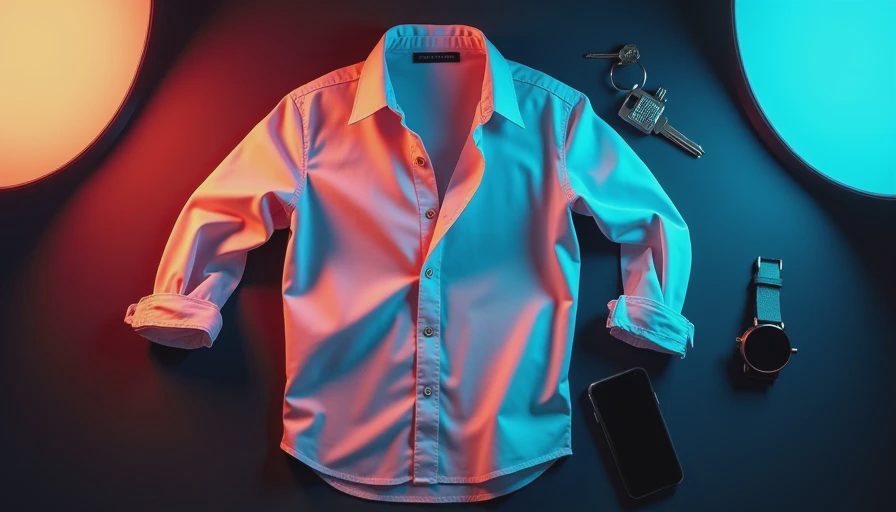
How many buttons should be open?
For most men, one open button is the safest starting point. It gives the collar room, removes the stiff office appearance, and still looks appropriate at a restaurant or family gathering. Two open buttons can work with a camp-collar shirt, a linen shirt, or a casual cotton shirt, especially in hot weather. The collar needs enough spread and body to stay in place.
Three or more open buttons require more care. On many men, that much exposure makes a regular pointed-collar shirt look stretched rather than casual. It can also reveal an undershirt in a way that was not intended. If you want the extra airflow, choose a shirt designed for it, such as a Cuban-collar shirt or a button-front shirt with a wider opening. Do not simply keep opening a standard work shirt until it becomes a different garment.
A white undershirt can help under an unbuttoned shirt, but the neckline should not climb above the shirt's opening. A crew neck is often visible; a V-neck usually stays quieter. If you prefer no undershirt, make sure the shirt fabric is not transparent under indoor lighting. Department-store dressing rooms are bright for a reason. They reveal problems your bedroom mirror politely ignores.
Choosing the collar and fabric
The collar is what keeps an unbuttoned shirt from looking like a shirt that lost a fight with a suitcase. A button-down collar gives a casual shirt some order, while a spread collar looks cleaner with one button open. A stiff dress-shirt collar can seem too formal when worn loose, particularly if the rest of the outfit is jeans and casual shoes.
Fabric weight should match the season and the setting. A linen shirt around 4 to 5 ounces is comfortable for summer but will wrinkle; that is part of the bargain. A cotton Oxford around 5 to 7 ounces has more body and usually looks better after a drive across town. Flannel belongs to cooler weather and should not be treated like a lightweight overshirt in July.
Look at the buttons, too. Small, shiny buttons can make a casual shirt appear dressier than intended. Matte plastic, corozo-style, or pearl-look buttons usually fit a relaxed shirt better. These are small details, but they affect the whole garment when the front is open and visible.

Where an unbuttoned shirt works
At a backyard gathering, a weekend lunch, or a casual dinner, an unbuttoned shirt over a plain T-shirt is dependable. Pair it with straight-leg chinos, dark jeans, or clean five-pocket pants. Keep the colors simple: a blue shirt over white or gray, an olive shirt over cream, or a soft plaid with dark denim. You do not need a matching belt and shoe display worthy of a showroom. A brown leather belt and ordinary loafers or lace-up shoes will do the job.
For a business-casual office, the answer depends on the workplace. One open button is usually acceptable with a tucked shirt, chinos, and a sport coat. An unbuttoned shirt worn open over a T-shirt is better saved for offices that clearly permit that level of informality. It is not a good choice for a job interview, a client presentation, a funeral, or a wedding unless the invitation specifically calls for casual clothing.
At a golf course or outdoor event, a performance polo may be more sensible than a woven shirt. A buttoned shirt can catch on a golf bag, and a loose layer adds heat. Clothing should serve the day instead of making you spend the day adjusting it.
Common mistakes I saw on the sales floor
The first mistake was buying a shirt two sizes too large because the customer wanted drape. Drape is not the same as extra cloth. The second was choosing a bright pattern and then opening three buttons, making the shirt the first thing everyone noticed. A small check, subdued stripe, or solid color is easier to wear open.
Another common mistake was ignoring the back length. Men would try on a shirt from the front, approve the collar, and never look behind them. Then they returned it because the shirt ballooned over the seat of their pants. Turn around in the fitting room. Raise your arms. Sit down. If the shirt rides up dramatically or pulls across the shoulder blades, try another size or cut.
I also saw men wear a wrinkled shirt open because they assumed casual meant careless. It does not. A quick steam or five minutes in the dryer with a damp washcloth can make cotton presentable. You are not preparing for a state dinner. You are simply showing that the shirt was meant to be worn that way.
A simple buying checklist
Before you buy an unbuttoned shirt, check five things. First, open one button and see whether the collar stays flat. Second, move your arms forward to test the shoulders. Third, inspect the fabric under bright light for transparency. Fourth, decide whether the hem is meant to be tucked or untucked. Fifth, picture the shirt with the pants and shoes you already own, not with the outfit shown on the store mannequin.
A useful test is to wear the shirt for ten minutes in the fitting room. Sit, stand, reach for your wallet, and turn sideways in the mirror. If the collar folds badly or the placket twists, do not talk yourself into it because the sale price is good. A $25 shirt that stays in the closet is more expensive than a $45 shirt you wear twice a month.
The best unbuttoned shirt is usually not the most dramatic one. It is the shirt with a reasonable fit, a collar that behaves, fabric suited to the weather, and one or two buttons opened on purpose. That is enough for dinner, a Saturday errand, or a warm evening with family. Buy the garment you can actually live in, and remember the old rule from my side of the counter: try it on. That's what the fitting room is for.

No comments yet — grab the first one.