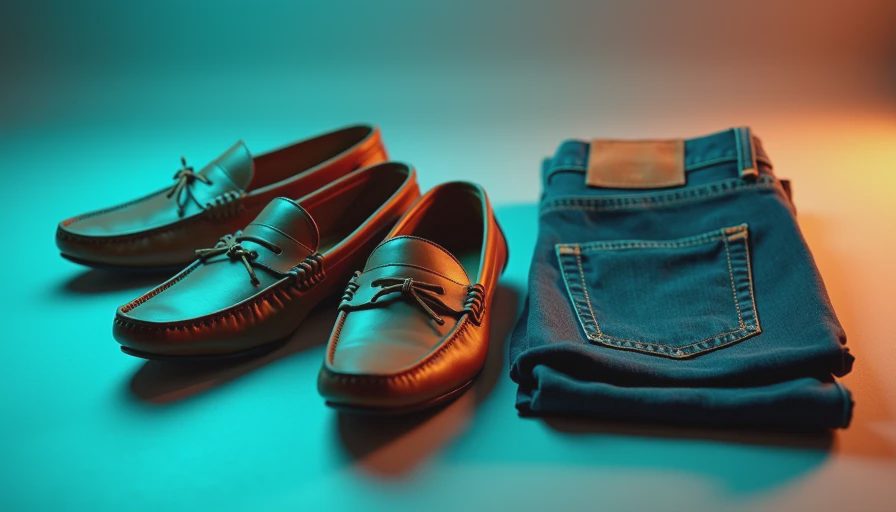
Loafers and jeans men wear can look sharp without looking like they spent an hour studying a mirror. I have watched this combination work on department-store floors for decades, and I have also watched men ruin it with jeans that puddle over the shoe or loafers that look too formal for the denim. The fix is usually simple: get the proportions, color, and occasion lined up.
A loafer is a step up from a sneaker but less stiff than a traditional lace-up dress shoe. Jeans provide the relaxed part. Put together properly, they are useful for a casual office, dinner, a date, a graduation party, or Saturday errands when a man wants to look pulled together without wearing a suit. The clothes do the talking, and nobody has to announce that he dressed carefully.
Start with the right jeans
The jeans matter more than the label on the shoe. Look for a straight or slim-straight leg with enough room through the seat and thigh. A pair that is tight around the calf can make a loafer look oversized, while a very loose leg swallows the shoe. On most men, a leg opening around 7 to 8 inches works comfortably with a traditional penny loafer or tassel loafer.
Dark indigo is the easiest starting point. It gives loafers and jeans men a cleaner appearance and can handle a tucked Oxford shirt, a knit polo, or an unstructured sport coat. Medium blue denim works well for weekends and casual dinners. Heavy fading, whiskering, and torn knees push the outfit toward a much more casual setting, where a loafer can look misplaced.
Pay attention to the hem. The bottom of the jeans should touch the shoe with a small break, not stack in several folds above it. A no-break hem can work with slim jeans and a modern loafer, but it is less forgiving if the trousers are wide. If you are between lengths, buy the longer pair and have it shortened. A $15 to $25 alteration can do more for the outfit than a $200 upgrade in shoe leather.

Match the loafer to the level of the denim
Not every loafer belongs with every pair of jeans. A soft suede loafer has a relaxed surface and works naturally with medium-blue denim, a cotton shirt, or a lightweight sweater. Brown suede is particularly useful because it adds contrast without shouting. Penny loafers in smooth leather look cleaner and pair best with dark, even denim.
Black loafers and jeans men choose for evening can look good, but the rest of the outfit needs to support the darker palette. Try black shoes with charcoal or deep indigo jeans, a gray merino sweater, or a navy overshirt. Shiny black leather with heavily faded blue jeans creates too much separation. It resembles a man who dressed for two different events and met himself halfway through the parking lot.
Tassel loafers are a little more noticeable. They are fine for dinner, a business-casual office, or an event where a jacket is expected. They are less convincing with distressed denim and a graphic T-shirt. A plain penny loafer is the safer purchase if you want one pair to cover the most ground. Brown, dark brown, and oxblood are practical colors; tan can be useful but shows dirt quickly.
Build the rest of the outfit around one clear idea
The easiest formula for loafers and jeans men can use is dark jeans, a light blue or white button-down, and brown leather loafers. Leave the shirt untucked if the hem is designed for it, or tuck it with a belt that matches the shoes. The belt does not need to be an exact color match, but black shoes with a brown belt usually look accidental.
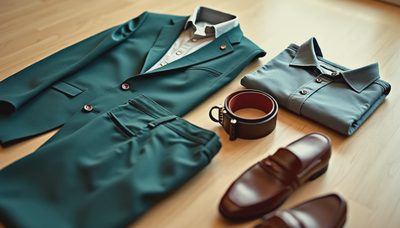
For cooler weather, add a crew-neck sweater, cardigan, or casual jacket. Navy, gray, olive, and camel are dependable colors. A field jacket gives the combination a weekend feel, while a navy blazer makes it suitable for a nicer restaurant or office. Keep the blazer relaxed in construction. A stiff suit jacket worn with jeans usually looks like the jacket lost its trousers.
Shirts with strong patterns need a quieter shoe. If you are wearing a checked flannel or a striped Oxford, use plain leather loafers. If the shoes have a distinctive texture or tassel detail, choose a solid shirt and let the footwear carry the small amount of interest. This is not a complicated calculation. It is the same reason you do not put two loud ties in the same drawer and expect them to cooperate.
Fit checks in the fitting room
When customers asked me about loafers and jeans men often wanted a quick answer, but I always looked at the hem first. Stand naturally and check the side view. The jeans should fall cleanly to the shoe instead of kicking outward at the ankle. Sit down to make sure the waistband does not dig in and the knee does not pull sharply across the front.
For loafers, check heel movement and width. A new loafer can feel firm, but your heel should not lift dramatically with every step. Leather will soften; it will not become a different size. If your toes press against the front while standing, go up in length or try a wider fit. Do not buy a narrow shoe hoping it will stretch enough. That purchase usually comes back in a box two weeks later.
The top of the loafer should sit neatly under the hem. If the shoe disappears under the jeans, the leg is too wide or too long. If the shoe looks enormous, the denim may be too narrow. Try both together in a fitting room with a full-length mirror. Try it on. That is what the fitting room is for.
Three dependable combinations
For a casual office, wear dark straight-leg jeans, medium-brown penny loafers, a pale blue Oxford shirt, and a navy cardigan. This is comfortable at a desk and respectable in a meeting. If the office is more formal, replace the jeans with chinos rather than forcing the outfit beyond its limits.
For dinner, try medium-dark jeans, dark brown suede loafers, a white knit polo, and an unstructured jacket. The texture of the suede keeps the outfit from looking like office clothing. The jeans should be clean and free from dramatic fading. A simple leather watch is enough; there is no need to add several accessories.
For a weekend, medium-blue jeans, a gray henley, an olive jacket, and casual suede loafers work well. Cuffing the hem can be fine if the denim is slim enough to stay in place, but a clean alteration is more dependable. If the afternoon includes yard work or a muddy walk, wear shoes meant for that job and save the loafers for dinner.
What to buy first
If you are starting from nothing, buy dark indigo jeans in a straight fit and brown penny loafers. That pair covers more situations than pale denim and black tassel loafers. Expect to spend about $50 to $100 for solid department-store jeans and $80 to $180 for a comfortable loafer during ordinary sales. Brands such as Dockers, Clarks, Johnston & Murphy, Allen Edmonds, and Cole Haan offer different levels of construction and cushioning, so inspect the actual shoe rather than buying a name.
Next, add medium-blue jeans and a dark brown suede loafer. That gives you a second combination without creating a closet full of garments that only work once. Look for a rubber or leather-and-rubber sole if you walk on wet sidewalks. A leather sole can feel elegant indoors but is less forgiving on slick pavement.
The best loafers and jeans men buy are the pairs they actually wear. Ignore a dramatic photograph and pay attention to the waistband, hem, toe shape, and comfort after ten minutes of walking. A useful outfit should survive a restaurant chair, a car ride, and a trip through the grocery store without requiring constant adjustment. Get those basics right, and loafers and jeans men can wear for years will become one of the most reliable combinations in the closet.


No comments yet — grab the first one.