The short answer to “are sweaters business casual?” is yes, provided you choose the right knit and wear it with sensible trousers, a collared shirt, and shoes that belong in an office. A sweater can look neat, comfortable, and put together without making you look as though you spent an hour arranging the outfit. That is usually the goal.
I spent 30 years on a men's department floor in St. Louis, and I saw the same mistake every fall: a man would grab a heavy sweatshirt, call it a sweater, and wonder why he looked ready to rake leaves. The difference is fabric, shape, and what you wear underneath. A fine-gauge merino crewneck over an Oxford shirt is a different animal from a loose fleece pullover.
What makes a sweater business casual?
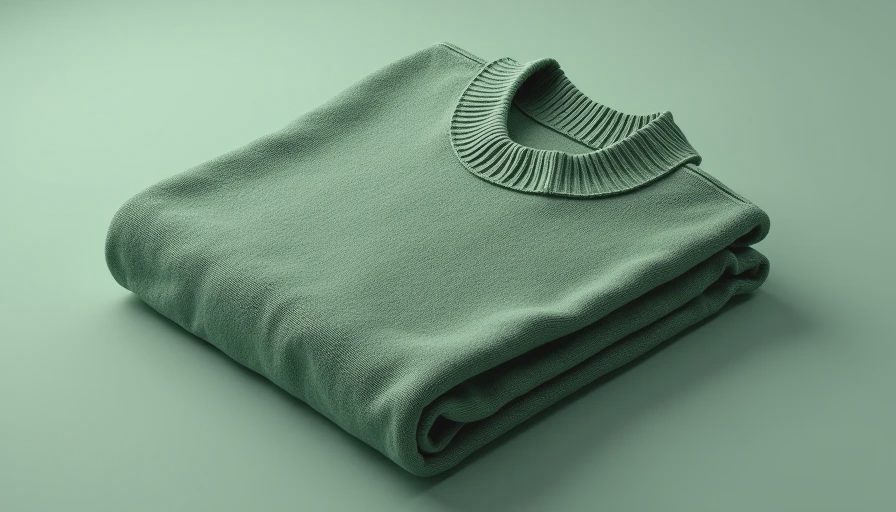
The first test is structure. A business-casual sweater should sit fairly close to the body without clinging around the stomach. The shoulder seam ought to end near your actual shoulder bone, not halfway down your upper arm. Sleeves should reach the wrist when your arms hang naturally. If the cuff covers your knuckles, the sweater is too long or too large.
Fabric matters as well. Merino wool, cotton, cashmere blends, and lightweight lambswool usually look appropriate because they hold a clean line. A knit weighing roughly 8 to 12 ounces is useful for an office with ordinary indoor heating. Chunky cable knits, fuzzy novelty yarns, athletic fleece, and anything with a large logo belong elsewhere.
Color is another easy checkpoint. Navy, charcoal, gray, burgundy, forest green, camel, and muted brown work with the trousers most men already own. Bright orange or a Christmas-patterned pullover can be perfectly fine on the right day, but neither answers are sweaters business casual in the dependable, Monday-morning sense.

The best sweater types for an office
A crewneck is the safest place to begin. Wear it over a white, blue, or striped dress shirt, leaving the collar visible. The neckline should sit flat rather than swallowing the collar. Navy trousers with a gray crewneck are hard to argue with, and khakis with a burgundy crewneck work from September through early spring.
The V-neck is useful when you want more of the shirt and tie to show. Keep the V reasonably shallow. A deep V-neck that exposes half the chest is not business casual; it is an invitation to a conversation nobody requested. The V should frame the collar and perhaps the top of the tie.
A cardigan can work too, particularly over a button-down shirt. Choose a simple five-button or six-button cardigan in a smooth knit. It should resemble a soft jacket in outline, not a bathrobe. Full-zip sweaters are practical for cold offices, but avoid shiny athletic fabric if you are meeting customers or senior managers.
A quarter-zip occupies the middle ground. Fine-gauge cotton or merino versions can pass in many offices, especially with a collared shirt underneath. A bulky performance quarter-zip with a company logo is more appropriate for a golf course, warehouse, or casual Friday than a client presentation.
How to pair a sweater with trousers and shoes
The easiest outfit is a mid-gray crewneck, light-blue Oxford shirt, navy chinos, and brown leather loafers or plain-toe derbies. The pieces contrast without shouting. If you prefer jeans, use dark, clean denim with no fading or holes, but understand that the office must already permit jeans. A sweater does not grant permission by itself.
Khakis are reliable, though the fit has to be current without being tight. Look for a straight or gently tapered leg with a clean hem. Gray wool trousers make a sweater look more formal, while corduroy pushes the outfit toward weekend territory. Black trousers can work with a gray or camel sweater, but brown shoes with black trousers often create a distracting mismatch.
When someone asks are sweaters business casual, I tell him to look at the complete outfit, not the sweater alone. A neat knit cannot rescue wrinkled trousers, scuffed shoes, or a shirt collar that has collapsed beneath the neckline. Clothing gets judged as a group.
Common mistakes that make a sweater look sloppy
The most frequent problem is excess fabric. Men often buy sweaters one size too large because they expect shrinkage, then spend the season looking like they borrowed the garment. Check the side seams in the fitting room. They should hang vertically, not swing outward from your waist.
Another mistake is wearing a T-shirt underneath when the setting expects a collared shirt. A plain T-shirt can be acceptable in a very relaxed office, but it gives the outfit less structure. If you are unsure, wear an Oxford shirt. You can remove the sweater later; you cannot add a collar after walking into the meeting.
Watch the hem, too. A sweater that ends several inches below the seat looks careless, while one that ends at the waistband or just below it looks intentional. Ribbed cuffs should recover after you stretch them. If the cuff stays loose in your hand, it will look tired by lunchtime.
Pilling is not a minor detail. Rub the fabric lightly near the underarm and side seam before buying. A few loose fibers are normal, but obvious pills on a new garment suggest it will need frequent maintenance. A fabric shaver can help later, but it cannot fix a poor knit.
Are sweaters business casual for interviews and meetings?
For an interview, a sweater can work when the employer clearly uses business-casual dress. Choose a solid navy or charcoal crewneck over a crisp white or light-blue shirt, then add wool trousers and leather shoes. If the company environment is more formal or you have no reliable information, a navy blazer is safer. A sweater should not be your only option when the occasion may call for a jacket.
For meetings, match the level of the people in the room. A fine merino V-neck with a tie can look polished in a conservative office. A cotton crewneck over a shirt is better for an internal meeting or regular workday. If you are presenting to a new client, skip novelty patterns and athletic details. You want people listening to your point, not studying the enormous emblem on your chest.
This is also where the answer to are sweaters business casual depends on condition. A $45 cotton sweater in good shape can look more professional than a $150 merino sweater with stretched cuffs and a shiny elbow. Price matters less than fit, cleanliness, and restraint.
A simple buying checklist
Before taking a sweater home, try it on with the type of shirt you actually wear. Check five things: the shoulder seam, sleeve length, collar position, waistband coverage, and fabric recovery. Sit down, raise your arms, and reach forward as if you were typing. If the hem rides up or the shirt pulls open, the size is wrong.
Look at the care label. Merino and cashmere blends may require hand washing or dry cleaning, while cotton blends are often easier for ordinary weekly wear. Buy two dependable colors before buying an unusual one. Navy and gray will earn more time in your closet than mustard yellow, even if mustard looks appealing beneath bright store lighting.
The best answer to are sweaters business casual is practical: start with a smooth, modestly fitted knit, layer it over a collared shirt, and finish with clean trousers and leather shoes. Then check the mirror from the side. If the shoulders fit and the hem sits correctly, you are probably there. Try it on. That's what the fitting room is for.




No comments yet — grab the first one.