The best dress shirts are not necessarily the most expensive shirts on the rack. After 30 years on a men's department floor in St. Louis, I learned that a $45 shirt in the right size will beat a $120 shirt with sagging shoulders every time. Men usually come in wanting a white shirt for work, a blue shirt for a wedding, or something that will survive Monday morning. The answer starts with fit, then fabric, then the details that keep a shirt useful after the receipt is lost.
Start With the Fit, Not the Brand
The best dress shirts should sit cleanly at the shoulder seam. That seam belongs at the edge of your shoulder, not halfway down your upper arm and not pulling toward your neck. If the shoulder is wrong, a tailor cannot fix the shirt cheaply enough to make the purchase sensible.
Button the collar and leave room for one finger between your neck and the fabric. Two fingers usually means the collar is too loose, especially under a tie. The cuffs should reach the wrist bone and show about half an inch below a jacket sleeve. A sleeve that ends at the hand makes even a decent shirt look borrowed.
Across the chest, you want enough room to sit, reach for a steering wheel, and shake hands without pulling lines across the buttons. You do not need a tent. A regular fit gives a fuller torso; a slim or tailored fit removes fabric through the waist. If your measurements fall between sizes, try both rather than guessing from the label.

A customer once came in for an interview shirt wearing a 17-inch collar because that was his neck measurement. His actual sleeve needed a 34-inch length, but he had been buying 32-33 and tugging the cuffs down all day. We found a 17-34 shirt with a shaped body. He looked taller before we changed anything else. That is what fit does.
Which Fabrics Actually Earn Their Place
For a first purchase, cotton poplin is hard to beat. It has a smooth surface, modest weight, and enough structure for an office or a dinner reservation. Oxford cloth is a little heavier and has a visible basket weave. It is more relaxed, works well without a tie, and handles repeated washing better than many thin dress fabrics.
Broadcloth is smooth and usually lighter than Oxford cloth. It can look sharp under a suit, but thin white broadcloth sometimes shows the undershirt beneath it. Hold the shirt toward the store lighting before buying. If you can clearly see the outline of the label or your hand, consider a slightly heavier fabric.
A cotton-polyester blend can be a sensible workhorse. It often resists wrinkles and may dry faster, which matters when the shirt is worn four days a week. Pure cotton feels better to many people, but it needs more ironing or careful removal from the dryer. The best dress shirts for regular office use balance comfort with the amount of maintenance you will realistically do.
The thread count on a package is not a complete quality test. A high number does not rescue poor stitching, a crooked collar, or a fabric that twists after washing. Inspect the buttonholes, the side seams, and the inside collar. Loose threads are not a bargain; they are a repair bill waiting for a washing machine.
Collar Choices Without the Sales Talk
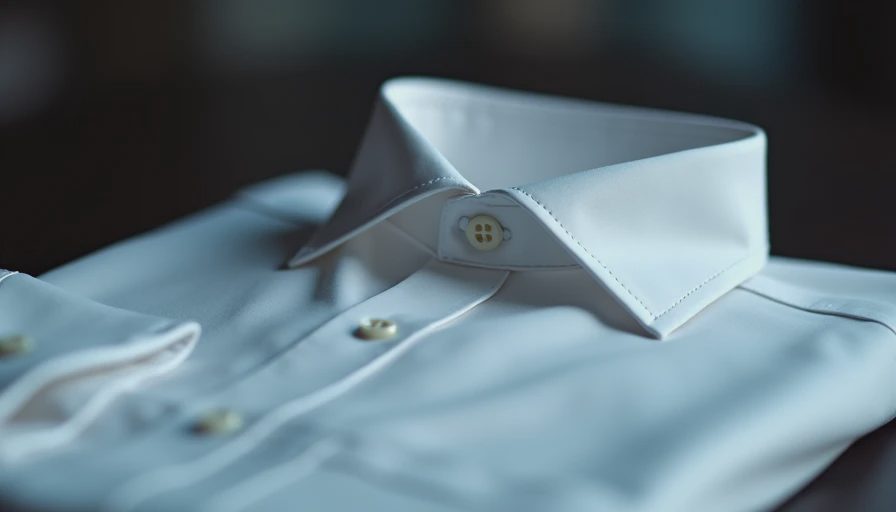
A point collar is the safest general-purpose choice. Its narrower points work with a tie and do not crowd a smaller face. A spread collar gives more space between the points and pairs well with a larger tie knot or a broader face. Neither one is automatically better. The collar should sit flat and support the appearance you need.
Button-down collars are useful for business-casual offices, travel, and weekends. They are less convincing with a formal tuxedo or a very conservative interview suit. A cutaway collar spreads dramatically and asks for a tie; I would not make it your only shirt unless you already know you like that look.
Collar stays help points remain straight, but they do not fix a collar that is too large. Check whether the stays are removable before laundering. Plastic stays are common and replaceable. Metal stays are a nice extra, not a reason to pay double.
For most men, two white shirts, two light blue shirts, and one medium blue or subtle stripe will cover a surprising number of occasions. That small group is more useful than a closet full of unusual colors bought during a clearance sale.
The Best Dress Shirts for Real Occasions
For a job interview, choose a white or light blue poplin shirt with a point or moderate spread collar. A solid color keeps attention on your face and answers. For a wedding, a pale blue shirt is usually more forgiving than bright white in photographs, though white remains perfectly appropriate with a dark suit. Avoid loud checks unless the invitation and venue clearly support them.
For a funeral, keep the shirt white or light blue and make sure it is pressed. This is not the time to display a clever pattern. For a business-casual day, an Oxford button-down can work with chinos or wool trousers. For dinner, a darker blue shirt can look good under a gray jacket, provided the collar still has enough structure.
The best dress shirts are the ones you can reach for without rebuilding the rest of the outfit. A shirt that works with navy trousers, gray trousers, and a suit earns its hanger space. A shirt that only works with one pair of pants is an expensive roommate.
Brands, Prices, and What to Inspect
At stores such as Macy's, Kohl's, and Dillard's, useful shirts commonly appear between about $35 and $90 before promotions. The label matters less than the actual garment. Stafford, Calvin Klein, Van Heusen, Kenneth Cole, and department-store private labels can all produce reasonable options, depending on the specific line and cut. I have handled excellent shirts from ordinary racks and disappointing shirts wearing respectable names.
Look for even stitching around the armhole, buttons attached securely, and a collar that does not collapse when you hold the shirt by the hanger. A split yoke at the back can help the shirt move comfortably, but it is not a magic quality stamp. French cuffs look formal and require cuff links; barrel cuffs are more practical for most wardrobes.
Sale pricing deserves a little suspicion. A shirt marked down from $80 to $39 is only a good deal if the collar, sleeve, and body fit. A $25 shirt that gets worn twice costs $12.50 per wear before it becomes closet decoration. A $55 shirt worn every other week for two years is usually the better purchase.
A Five-Minute Fitting-Room Test
Put the shirt on over the undershirt you normally wear. Button the collar, then raise both arms. Sit down and reach forward as if you are taking a folder from a desk. The buttons should stay flat, and the back should not ride several inches above your belt.
Turn sideways in the mirror. The shirt should follow your torso without outlining every meal or hanging like a curtain. Check the sleeve length with your arms relaxed. Then put on a jacket if you are buying for a suit. The shirt cuff should appear just below the jacket sleeve, not disappear completely.
Check the care label before you pay. “Machine washable” can still mean “remove promptly and iron.” If you hate ironing, choose wrinkle-resistant fabric and accept that it may feel a bit less soft. If a shirt requires dry cleaning, include that cost in the price rather than pretending the tag tells the whole story.
The best dress shirts are the ones that fit your actual life, not an imaginary man with unlimited time and a private laundry staff. Buy the collar and sleeve measurements first, choose useful colors second, and worry about brand names last. Try it on. That's what the fitting room is for.




No comments yet — grab the first one.