The smart casual dress code men are asked to follow is usually less complicated than the invitation makes it sound. It means looking put together without wearing a full suit, a golf shirt with a giant logo, or the same jeans you wore to change the oil. After 30 years on a men's department floor, I can tell you the goal is simple: clean lines, decent fit, and clothes that match the occasion.
The trouble is that "smart casual" can mean different things at a brewery, an office, a rehearsal dinner, or a restaurant with cloth napkins. You do not need a new personality or a closet full of expensive clothes. You need a few reliable pieces that work together and enough sense to leave the athletic shorts at home.
What smart casual dress code men should start with
Start with trousers that have structure. Flat-front chinos in navy, khaki, olive, or gray are dependable because they look intentional without being stiff. A pair of wool-blend trousers works well for dinner or a nicer office. Dark, clean denim can fit the smart casual dress code men encounter at relaxed restaurants, but it should be free of holes, heavy fading, and decorative stitching.
For the top half, reach for an Oxford cloth button-down, a solid polo made from cotton knit, or a simple long-sleeve shirt. White, light blue, gray, and muted checks are easy to combine. A shirt should skim your body rather than cling to it. If the side seams pull when you sit, go up a size and have the sleeves adjusted. A $25 sleeve alteration can rescue a $60 shirt.
Your shoes finish the message. Brown leather loafers, plain-toe derbies, clean leather casual shoes, and simple chukka boots all make sense. Match the belt generally to the shoes, though it does not need to be an exact color match. A clean pair of low-profile shoes can work in a relaxed setting, but anything visibly worn out changes the whole outfit.
The jacket is optional, but fit is not
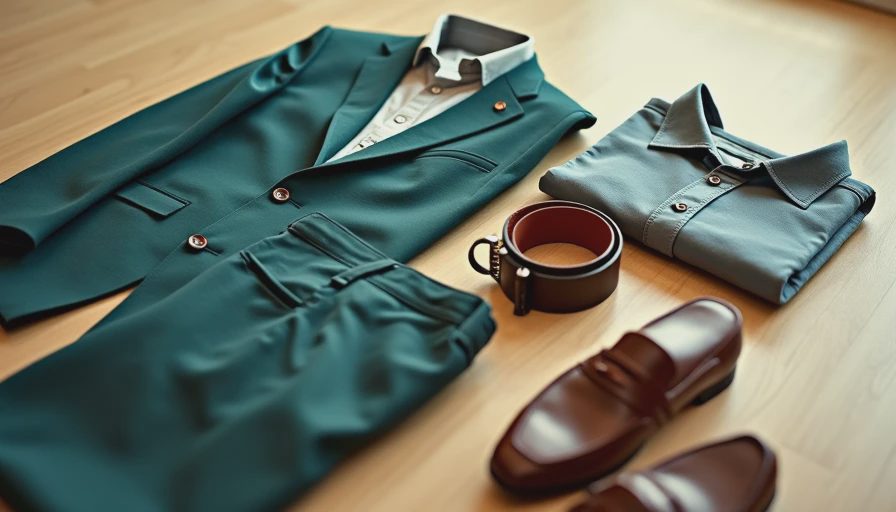
A navy cotton blazer or an unstructured sport coat is the most useful extra layer in a smart casual dress code men can use for dates, dinners, graduations, and office events. Navy works with gray trousers, khakis, dark denim, and even a white pair of jeans in warm weather, although I would reserve those for a genuinely casual setting.
Pay attention to the shoulders first. The seam should land where your shoulder ends, not halfway down your upper arm. If the jacket collapses around your neck or leaves a gap behind the collar, try another size or cut. A jacket that is slightly too long can sometimes be altered; shoulders that are too wide usually become an expensive lesson.
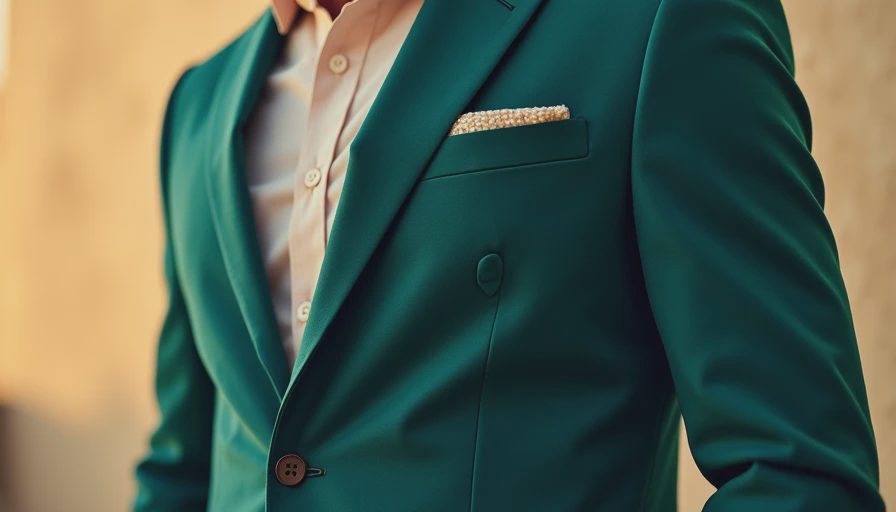
The shirt collar matters under a jacket. A button-down collar gives the outfit a relaxed appearance, while a spread collar can look more formal. Skip the tie unless the host specifically requests one. A pocket square is optional and not required for smart casual dress code men. Most men who are uncomfortable wearing one are better off leaving it out.
Three outfits that cover most invitations
For a casual office, wear navy chinos, a light blue Oxford shirt, brown loafers, and a gray merino cardigan or casual jacket. This combination looks capable in a meeting and will not seem out of place at lunch. If your workplace is more relaxed, dark denim can replace the chinos, but keep the shirt pressed and tucked when the setting calls for it.
For dinner, try gray wool-blend trousers, a white or pale blue shirt, dark brown loafers, and a navy blazer. This is the reliable answer when the invitation says smart casual dress code men and nobody explains what that means. The trousers provide enough polish, while the open collar keeps the outfit from looking like a suit missing its tie.
For an outdoor graduation or family gathering, use khaki chinos, a patterned short-sleeve button-down, and brown leather casual shoes. Add a lightweight navy jacket if the weather turns cool. Avoid loud graphics and fabric so thin that it wrinkles before you reach the parking lot. A medium-weight cotton shirt usually behaves better than a flimsy bargain shirt.
Common mistakes I see in the fitting room
The first mistake is wearing a dress shirt with jeans and assuming the job is done. A shirt designed to be tucked may have a long, curved tail that looks awkward hanging out. Choose an untucked shirt with a shorter hem, or tuck the longer one into trousers. The second mistake is treating a polo as an automatic answer. A stretched collar, shiny fabric, or oversized logo makes it look like weekend sportswear rather than a considered outfit.
The third mistake is buying everything in the same shade. A navy shirt, navy trousers, and navy jacket can turn into one dark block. Add contrast with a light blue shirt, gray trousers, or brown shoes. The fourth is ignoring the hem. Trouser legs should rest lightly on the shoe, with little or no stacking. Too much fabric around the ankle makes even good clothes look borrowed.
I once helped a man preparing for a dinner with his wife's coworkers. He arrived wearing a loose black blazer, a thin white shirt, and jeans with a pale stripe down the thigh. We changed him into gray trousers, a blue Oxford shirt, and a navy jacket that fit across the shoulders. He looked at himself twice and said, "I still look like me." That is the point of smart casual dress code men can live with.
How to shop without wasting money
Build the outfit from the trousers upward. Take two pairs of pants into the fitting room, then try three shirts with each. Sit down, raise your arms, and check the mirror from the side. A waistband that digs in while standing will be worse after dinner. If you wear a 36 in one brand and a 38 in another, believe the fitting room, not the label.
For a practical starting budget, expect roughly $40 to $80 for chinos, $35 to $90 for an Oxford shirt, $80 to $180 for a decent blazer, and $70 to $160 for leather shoes at a mid-range department store. Sales often improve those numbers. Spend more on fit and fabric before spending more on a logo. A cotton blend with some weight usually holds its shape better than the cheapest, thinnest option.
Ask the salesperson for an Oxford shirt, flat-front chinos, and an unstructured navy jacket. Those words narrow the rack quickly. Bring the shoes you actually plan to wear, because trouser length looks different with loafers than with boots. Try it on. That's what the fitting room is for.
A quick check before you leave the house
Look at the shoulders, collar, cuffs, waistband, and shoes. Nothing should pull, twist, or shine from wear. Your shirt can be tucked or untucked, but make that choice on purpose. Remove anything with a large slogan, a frayed edge, or a stain you are hoping nobody notices. Diane has told me that hope is not a cleaning method, and she is right.
If the event is closer to business than casual, add the blazer and choose wool-blend trousers. If it is closer to a weekend gathering, use chinos and a polo or Oxford shirt. When the invitation is vague, dress one notch cleaner than you think necessary. It is easier to remove a jacket than explain why you wore a hoodie to dinner.
The smart casual dress code men need is not a test of clothing knowledge. It is a short list of well-fitting, reasonably maintained pieces used with judgment. Start with navy chinos, gray trousers, two button-down shirts, brown shoes, and one navy jacket. Those six items can handle most ordinary invitations, and you will not have to stand in the closet arguing with yourself at 6:30 on a Thursday.



No comments yet — grab the first one.