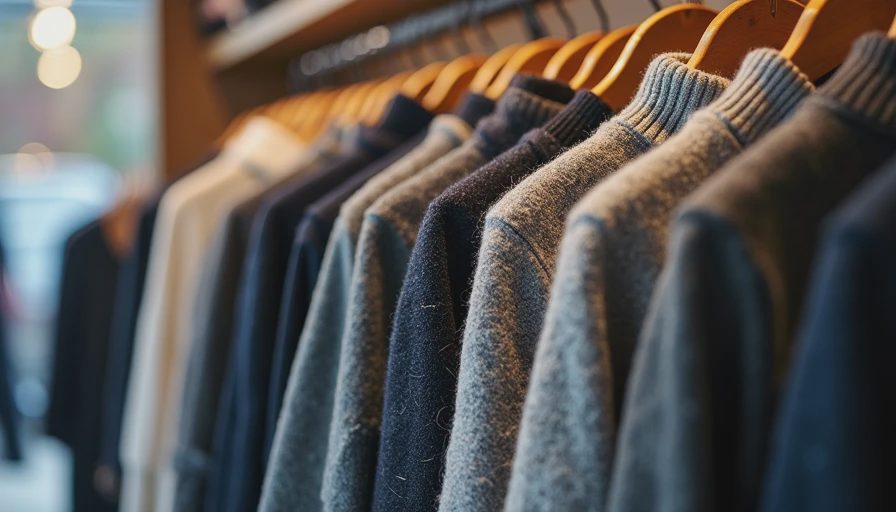
The Question I Get Every Fall
Every September, men start asking about sweaters. “Which one will last?” “Is cashmere worth the money?” “What should I buy for the office?”
After thirty years of watching sweaters come in new and go out worn (or returned), I can give you the ranking most retailers don’t want to share — based on real durability, not just how they feel when you first try them on.
Durability Ranking (After Two Winters of Real Life)
1. Merino Wool — The Clear Winner
Merino wool sweaters are the best all-around choice for most men. They resist pilling better than regular wool, regulate temperature well, and bounce back after washing if you treat them right. A good merino sweater can look sharp for 4–5 years with regular wear.
They’re not the cheapest, but they’re worth it for daily use.
2. Wool Blends (with nylon or acrylic)
A well-made wool blend (usually 70-80% wool) offers excellent durability. The synthetic fibers help resist pilling and stretching. These are the workhorses — great for the office, travel, and everyday wear. They often outlast pure wool in real conditions.
3. Cotton Sweaters
Cotton feels great when new and is easy to care for. However, it tends to lose shape, pill, and look tired after two seasons. Best for lighter wear or warmer climates. Not ideal if you want something that survives multiple Midwestern winters.
4. Cashmere
Luxurious and incredibly soft when new. But pure cashmere pills badly, loses shape, and shows wear quickly unless you’re extremely careful and only wear it occasionally. Fine for special occasions, but a terrible choice for everyday sweaters.
5. Acrylic and Cheap Synthetics
These are the ones that look decent in the store but turn into pilled, stretched-out disasters after one season. Avoid them if you want something that lasts.
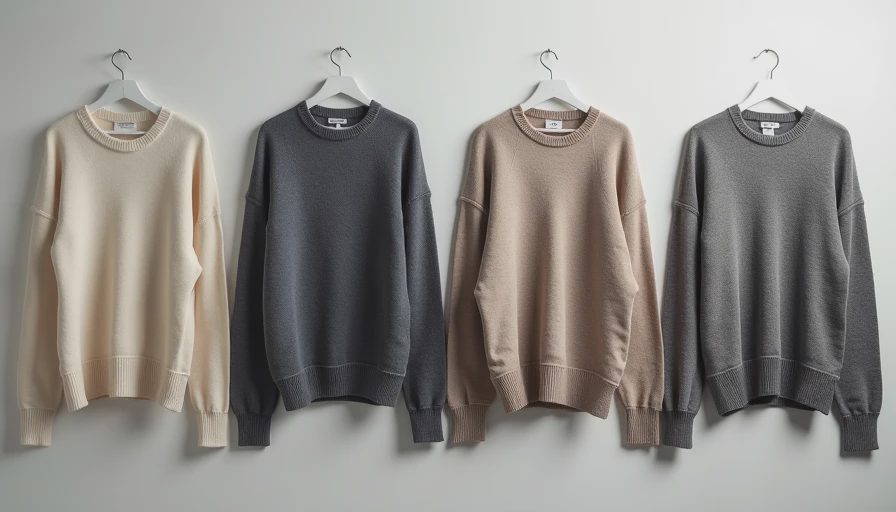
What Actually Causes Sweaters to Die
The biggest killers I see:
Pilling (those little balls of fiber on the surface)
Stretching out at the elbows and waist
Fading or color bleeding
Losing all structure after washing
Merino and good blends hold up best against these problems.
Care Tips That Actually Matter
No matter what material you buy:
Wash less often. Air them out instead.
Use cold water and gentle cycle (or hand wash cashmere).
Lay flat to dry — never hang wet sweaters.
Use a sweater shaver for pilling.
Store them folded, not on hangers.
A little care can double the life of even a mid-tier sweater.
My Practical Buying Advice
For most men I serve:
Buy 2–3 good merino or wool blend sweaters in neutral colors (navy, gray, charcoal).
Add one nice cashmere for special occasions if your budget allows.
Skip the cheap acrylic options — you’ll just be back next year.
Pay more attention to construction than brand name. Look for reinforced seams and good knit quality.
Real Customer Example
Last year a customer bought a $120 merino wool sweater on my recommendation. This fall he came back and told me it still looks nearly new after daily office wear last winter. Another guy bought three $45 acrylic sweaters. By spring they all looked rough. He’s buying merino this year.
The difference in longevity is worth the upfront cost.
Bottom Line from the Rack
Buy once, cry once. A good merino or quality wool blend sweater will serve you for years. Cheap sweaters become disposable fashion.
Don’t buy based on how soft it feels in the store. Buy based on how it will look after it’s been worn, washed, and lived in.
That’s the real test.
Try it on. Move around in it. Then imagine wearing it every week through February. If it still seems like a good idea, buy it.
Your future self — and your wallet — will thank you when next winter rolls around.





No comments yet — grab the first one.