Most advice about mens fashion over 50 seems written by someone who has never stood in a department-store fitting room. I spent 30 years on the men's floor in St. Louis, and I can tell you what works: good fit, useful clothes, and colors that cooperate. You do not need a closet full of complicated pieces. You need clothes that fit your current body and suit the places you actually go.
A man in his fifties does not need to dress younger. He needs to look awake, comfortable, and intentional. That usually means replacing worn-out basics, abandoning the size he wore ten years ago, and learning which details matter. Here is the practical version of mens fashion over 50, without a runway, a stylist, or a $400 shirt.
Start with fit, not the size on the tag
The tag is not a measurement of your character. It is a rough label that changes from one manufacturer to the next. A 42 regular from one brand can fit like a 40 long from another. Try it on. That's what the fitting room is for.
Begin with the shoulders. On a sport coat or jacket, the seam should end close to the point where your shoulder ends. If the seam hangs an inch past that point, the jacket looks borrowed. Tailors can shorten sleeves and adjust the waist, but they cannot easily fix shoulders that are too wide. This is the first rule I give anyone asking about mens fashion over 50.
For shirts, the collar should close without squeezing your neck, and the shoulder seam should sit near the shoulder bone. A dress-shirt sleeve should reach the wrist bone when your arms hang naturally. If it slides halfway up your forearm when you bend an elbow, it is short. On trousers, look for a clean line from hip to ankle. A little break at the shoe is fine; a pile of fabric above the shoe is not.
A customer once brought back three pairs of pants because all three looked “too tight.” The waist was fine. The problem was the rise, which was too short for his build. We moved him to a higher-rise cut, kept the same waist measurement, and the problem disappeared. The label had not been the issue. The pattern was.
Build a useful color system
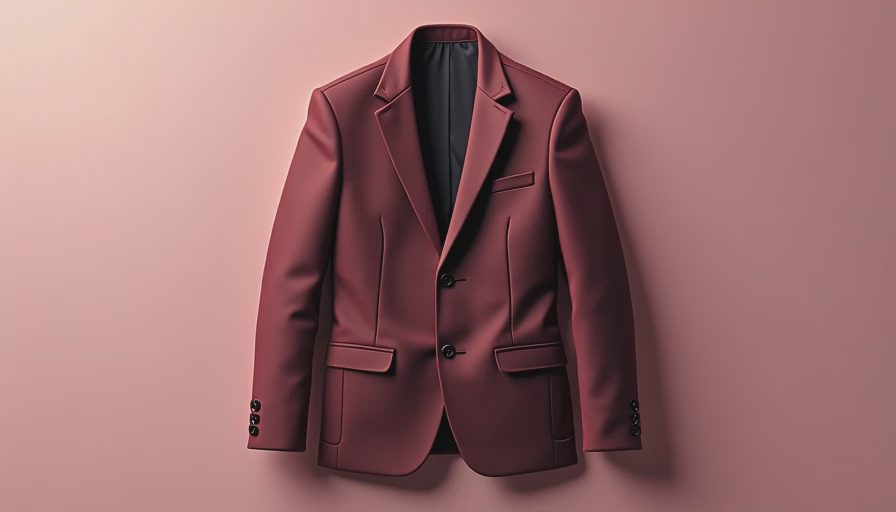
You might want to begin with navy, gray, khaki, olive, white, and light blue. Those colors work together without demanding much thought. A navy blazer with gray trousers handles a graduation, dinner, or business-casual meeting. Khaki chinos with a light-blue Oxford shirt work for lunch, travel, and most offices that do not require a suit.
Avoid turning every outfit into a dark blur. A charcoal sweater over charcoal trousers can look flat, especially indoors. Add contrast through a white shirt, brown belt, medium-blue overshirt, or textured gray jacket. Mens fashion over 50 works best when the colors are calm but not sleepy.
Texture helps more than loud patterns. A basket-weave sport coat, corduroy overshirt, brushed cotton shirt, or merino sweater gives an outfit some substance. Keep patterns moderate: a small check or narrow stripe is easier to wear than a giant windowpane. If you can see the pattern from across a parking lot, it is probably doing too much work.
Buy fabrics for the life you lead
A fabric label tells you more than a brand name. For everyday trousers, cotton with a small amount of stretch can be comfortable, but too much stretch often loses its shape by afternoon. Look for a firm hand and enough weight that the fabric does not cling to every pocket outline. Lightweight cotton is useful in summer; a midweight pair usually lasts longer through regular wear.
For sweaters, merino wool is warm without being bulky and usually layers neatly under a jacket. Cotton sweaters are easier to wash but can lose their shape if hung while wet. For shirts, an Oxford cloth weave hides wrinkles better than very thin poplin. Flannel is useful in cold weather, but a soft, medium-weight flannel looks more grown-up than a heavy shirt that resembles camping equipment.
The same rule applies to mens fashion over 50 as it did when I started working: touch the garment. Hold it up. Check the stitching around buttons and pockets. Look inside the waistband. A $45 pair of chinos with solid construction can serve you better than a $120 pair selected only for its label.
Four outfits that cover most weeks
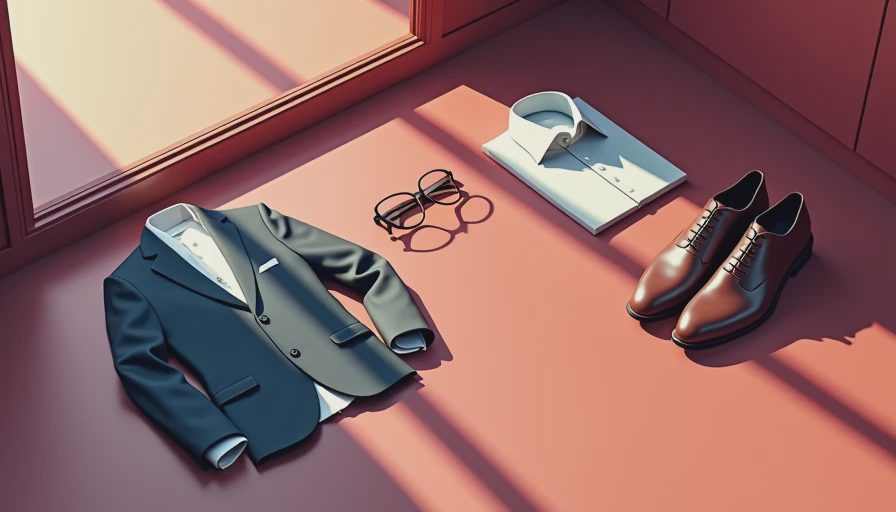
A practical wardrobe does not require twenty combinations. First, keep a navy blazer, gray trousers, a white dress shirt, and brown leather shoes for dressier events. Add a simple tie if the occasion calls for one.
Second, use dark denim, a blue Oxford shirt, a brown belt, and loafers for casual dinners. The jeans should be clean and straight through the leg, not painted onto the calf and not wide enough to hide a boot.
Third, pair khaki chinos with a knit polo and a lightweight jacket. This works for travel, a casual office, or meeting friends. A jacket gives the outfit shape without making you look as if you are headed to court.
Fourth, use gray wool trousers, a merino crewneck, and plain leather shoes for a winter dinner. If you need a little more authority, add a sport coat. This is the dependable core of mens fashion over 50: clothes that can move between ordinary occasions without looking careless.
Fix the small details that age an outfit
Shoes deserve attention because people notice them at close range. They do not need to be expensive, but they should be clean, intact, and appropriate to the trousers. A worn heel can make a good pair look tired. Keep brown shoes with brown or tan accessories and black shoes with black or dark accessories. The old rule about matching every shade perfectly is unnecessary; coordination is enough.
Replace stretched collars, shiny seat areas, broken belt edges, and sweaters with permanently loose cuffs. These are inexpensive fixes compared with replacing an entire wardrobe. Also check your glasses, watch, and outerwear. A decent wool coat worn over a sloppy shirt cannot rescue the shirt, but a neat shirt under a weathered coat can still look respectable.
Fit your clothes to the body you have now. If your waist changed, buy the next size and have the seat or hem adjusted. Wearing an uncomfortable smaller size does not make anyone look slimmer. It makes the fabric pull, pockets gape, and buttons work overtime. That is not a mens fashion over 50 problem; it is a fitting-room problem.
Shop with a short checklist
Before buying, ask whether the item works with at least three things already in your closet. Check the shoulders, collar, sleeve length, seat, and trouser break. Sit down in the fitting room. Raise your arms. Walk a few steps. Look at the back in a three-way mirror if one is available.
Then check care instructions. A shirt that requires expensive cleaning for every wear may not be practical. Buy two good everyday shirts before buying one unusual shirt. If a basic item fits well, consider another color. That is how a useful wardrobe grows without turning shopping into a weekend project.
Mens fashion over 50 is not about chasing a younger man's closet. It is about recognizing what looks good, feels comfortable, and survives real use. Start with fit, choose steady colors, inspect the fabric, and spend your money on pieces you will wear. Walk into the fitting room with those rules, and you will leave with fewer returns and clothes that earn their space.



No comments yet — grab the first one.