A shirt size chart is useful, but it is not a crystal ball. I learned that during 30 years on a men's department floor, where I watched thousands of men buy shirts that looked fine on the hanger and wrong on their shoulders. The problem was usually not the number on the tag. It was a bad measurement, a different cut, or the belief that every large shirt fits the same way.
If you are shopping online or standing in a department store with three brands in your arms, a few measurements will save you a return trip. You need your neck size, sleeve length, chest measurement, and a basic understanding of how the shirt is meant to fit. That is the whole job. No need to make it complicated.
How to Read a Shirt Size Chart
Most men's dress shirts use two numbers, such as 16-34/35. The first number is the neck measurement in inches. The second is the sleeve-length range. A 16-34/35 shirt is intended for a 16-inch neck and sleeves between 34 and 35 inches. Some brands use small, medium, large, and extra-large instead. Those labels are less precise, so the brand's shirt size chart matters more.
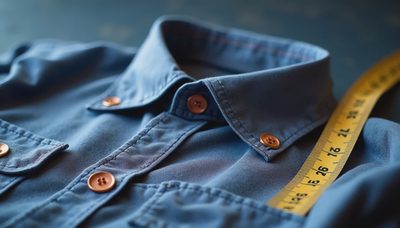
Measure your neck with a soft tape placed where the collar normally sits. Keep one finger between the tape and your neck. That small amount of room lets you button the collar without looking like you are being interviewed by the dentist. For your sleeve, start at the center back of your neck, run the tape over your shoulder, and down to the wrist bone. Keep your arm relaxed.
Chest measurement is taken around the fullest part of your chest, under your arms. Do not puff up. I have seen men add two inches to their chest measurement because they were holding their breath. The shirt will not be impressed, and neither will the mirror.
A shirt size chart can show the garment's body measurements rather than the wearer's measurements. When that happens, the numbers will be larger. A 42-inch chest does not mean you need a shirt with a 42-inch body measurement; you need room for movement, usually several additional inches depending on the cut.

Dress Shirt Sizes Versus Casual Shirt Sizes
Dress shirts are usually measured by neck and sleeve because they are worn with a collar buttoned and often under a jacket. Casual shirts, including many button-downs and sport shirts, are commonly labeled S through XXL. They often have more room through the chest and stomach, but that is not guaranteed. A medium from one maker can fit like a small from another.
A slim or tailored cut narrows the torso. A regular cut gives you more fabric through the middle. A classic cut is generally roomier still. These terms are not regulated measurements, so use them as clues, not promises. If you carry weight in your stomach, a regular shirt with the correct neck size will usually look better than a slim shirt pulled tight across the buttons.
Here is a practical starting point for a typical men's shirt size chart: small often suits a 34-36 inch chest, medium a 38-40, large a 42-44, and extra-large a 46-48. Those ranges vary by manufacturer. A fabric with no stretch needs more breathing room than a knit polo, and a heavy flannel will sit differently from a lightweight poplin.
I once helped a customer who wore large in every shirt he owned. His neck measured 17 inches, his chest was 44, and his sleeves needed a 35. A large casual shirt fit his body, but the collar was too tight for work. We moved him to a 17-35 dress shirt and a roomy large for weekends. Same man, two correct answers.
The Measurements That Matter Most
The neck should close comfortably. You should be able to slide one finger between your neck and the collar. Two fingers usually means the collar is too loose, especially under a tie. The shoulder seam should land near the edge of your shoulder, not halfway down your upper arm. That is the measurement I notice first, even when I am trying to watch a Cardinals game in peace.
Sleeve length should reach the wrist bone with your arms at your sides. When you bend your elbow, the cuff can move slightly upward. For a dress shirt under a jacket, about half an inch of cuff showing is a dependable target. If the cuff covers your hand, the sleeves are too long unless the shirt is meant to be altered.
The chest should allow you to reach forward without pulling the buttons open. The placket should lie flat. The shirt should not balloon at the waist, but it also should not outline every button. For a tucked shirt, check the tails. They need enough length to stay tucked when you sit down, not just when you stand in front of a mirror.
A shirt size chart helps narrow your choices, but these physical checks finish the job. Numbers get you to the fitting room. The mirror decides what happens next.

Common Shirt Size Chart Mistakes
The most common mistake is measuring an old shirt instead of measuring yourself. That shirt may have shrunk, stretched, or been bought in a cut that no longer suits you. Use it as a comparison, not as the final authority.
Another mistake is assuming laundry has no effect. Cotton shirts can shrink slightly, especially if washed hot and dried on high heat. If you are between sizes, pay attention to the care label and fabric. A cotton-polyester blend may hold its dimensions better than a 100 percent cotton shirt, while a linen shirt can relax after wear.
Men also buy the collar size and ignore the sleeve. I have watched a man choose a 16-32 because the neck felt right, then spend the day looking like he borrowed the shirt from his younger brother. Sleeve length is not a minor detail. It changes how the whole shirt looks at the wrist and under a jacket.
Finally, do not confuse a comfortable shirt with a shapeless one. Extra fabric can feel pleasant in the dressing room and look sloppy at dinner. The goal is room to move with clean lines, not a tent with buttons.
A Simple Buying Process
Before shopping, write down four numbers: neck, sleeve, chest, and waist. If your measurements have changed since last year, take them again. Bodies change; shirt labels do not care about your memories.
Next, identify the occasion. For office shirts and interviews, start with a measured dress shirt. For yard work, travel, or weekend errands, compare casual shirts by chest and waist room. If you are ordering online, read the brand's shirt size chart and look for garment measurements. A return policy is useful, but it is better not to use it as your fitting plan.
When the shirt arrives, try it on over the undershirt you normally wear. Button the collar, raise both arms, sit down, and reach forward. Look at the shoulder seams and the sleeve cuffs. If the shirt fails in two of those areas, exchanging for another size or cut is usually smarter than hoping it improves after washing.
One more practical point: buy the best fit first, then consider color and fabric. A $35 shirt that fits correctly will earn more wear than a $90 shirt that hangs badly in the closet. I have seen men buy three of the right shirt after finding it. That is not excessive. That is learning from experience.
The Fitting Room Still Wins
A shirt size chart is a valuable starting tool, particularly when you shop online or compare unfamiliar brands. It tells you where to begin and prevents the most obvious errors. It cannot account for every shoulder, stomach, posture, fabric, or manufacturer's idea of a medium.
Bring your measurements, compare the cut, and inspect the shoulders before worrying about the tag. If the collar closes, the sleeves reach the wrist, and the chest moves without pulling, you are close. Then sit down and make sure the shirt still works in real life.
My standing advice has not changed since my first year on the floor: Try it on. That's what the fitting room is for. A few minutes there can save a return label, a second trip, and the sight of a shirt with its tags still hanging in the closet six months later.



No comments yet — grab the first one.