Dress shirts and the men who buy them have one thing in common: neither wants to spend all afternoon discussing the purchase. You want a shirt that fits, looks appropriate, survives the washing machine, and does not make you tug at the collar during a meeting. After 30 years on a department store men's floor, I can tell you most shirt problems come from two mistakes: buying the wrong neck size and trusting the hanger instead of the fitting room.
I have handed shirts to roughly 50,000 customers, from teenagers buying their first interview outfit to grandfathers attending a wedding. The best purchases were rarely the most expensive. A $35 or $45 shirt with a sensible cut and decent fabric often served a man better than a $100 shirt bought in the wrong size. Start with fit, then consider fabric, collar, color, and care.
Start With the Neck and Sleeves
Men commonly remember their chest measurement and forget the collar. Dress shirts and collar measurements work in half-inch increments, such as 16, 16.5, or 17 inches. Measure around the base of the neck while keeping one finger between the tape and your skin. That extra room is important. A collar should close without choking you, but it should not leave a gap wide enough to show the shirt label.
Sleeve length is usually listed beside the neck size, such as 16-34 or 16.5-35. The cuff should reach the wrist bone and show about a half-inch beyond a jacket sleeve. If the cuff covers your hand, the sleeve is too long. If it rides halfway up your forearm when you bend your elbow, it is too short. Dress shirts and sleeve length are a matched decision, not two separate guesses.
Try the shirt with the top button closed. Raise both arms, sit down, and reach forward as if you are taking a folder from a car seat. If the collar pulls or the buttons strain across the chest, try the next size or a roomier cut. Try it on. That's what the fitting room is for.
Regular, Slim, and Relaxed Cuts
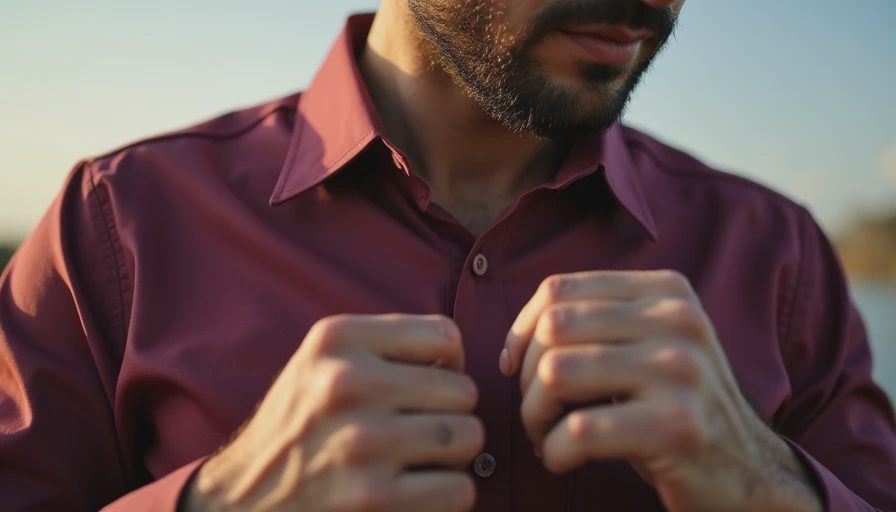
The label on the shirt tells you less than the shape in the mirror. A regular cut generally gives more room through the chest and waist. A slim cut narrows the body, while a relaxed cut adds space for a broader middle or a preference for easy movement. None of those labels is a guarantee. One company's slim shirt can fit like another company's regular shirt.
Dress shirts and body shape should be considered together. A man with broad shoulders and a smaller waist might need a tailored cut, but he should not accept pulling across the upper back just to remove extra fabric at the stomach. A man with a fuller waist can wear a regular or relaxed cut and still look neat when the shoulder seams sit correctly.
Check the shoulder seam first. It should end where your shoulder ends, not halfway down the upper arm. Then inspect the armhole and back. You want enough fabric to move, with no large folds under the arms. At the waist, two inches of extra fabric is normal. A shirt is not supposed to cling like a T-shirt, and it should not billow like a sail.
Fabric That Works in Real Life
For most American closets, cotton remains the dependable choice. Poplin is light, smooth, and useful for offices or warm weather. Oxford cloth is thicker and has a visible basket weave, making it a good option for business-casual settings. Twill has a diagonal texture and usually resists wrinkles better than very light poplin.
Dress shirts and fabric weights should match the calendar and the room. A lightweight shirt around 2 to 3 ounces per square yard feels comfortable in summer but can look limp under a jacket. A medium-weight shirt around 3 to 4 ounces has more body and works across several seasons. Flannel belongs in colder months and casual settings; it is not a substitute for a crisp shirt at a formal ceremony.
Look at the fiber content before buying. A cotton-polyester blend can reduce wrinkles and lower the price, often landing between $25 and $50. A high-cotton shirt may feel better against the skin but require more ironing. If you will not iron, choose wrinkle-resistant fabric and follow the care label. Removing a shirt promptly from the dryer matters more than owning an expensive iron.
Collar, Cuffs, and Everyday Use
A point collar is narrow and dependable under a sweater or suit. A spread collar opens wider and works well with a tie knot that has some substance. A button-down collar is more relaxed and is usually better for business-casual wear than a funeral or formal interview. Collar choice should follow the occasion, not an attempt to look clever.
Dress shirts and collar shapes also need to suit your face and neck. A very small collar can look lost on a larger man, while an oversized spread collar can overwhelm a smaller frame. The collar points should lie flat. If they curl upward after one wash, that shirt will become a nuisance before the season is over.
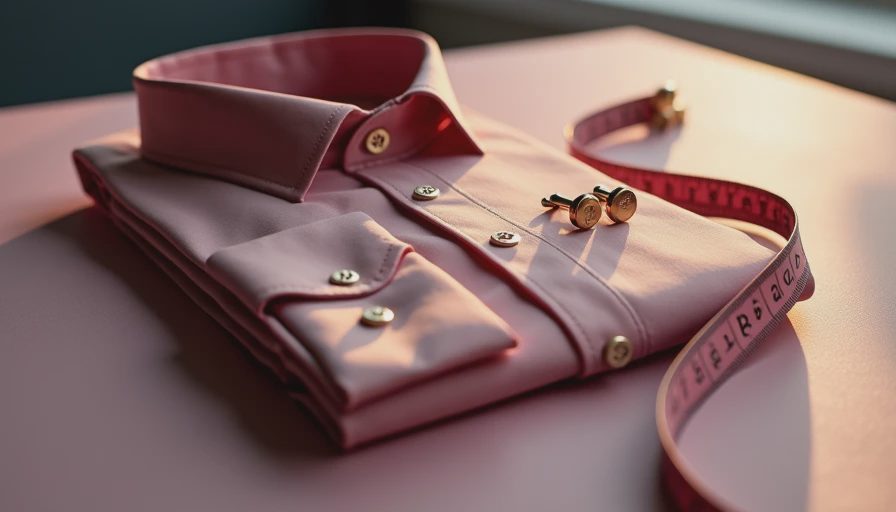
French cuffs look polished but require cuff links and more attention. Barrel cuffs are easier for daily work and travel. Two-button cuffs offer a little adjustment, but the button should not sit so tight that you cannot bend your wrist. Inspect the buttons, too. Thin plastic buttons and loose stitching are warnings on a shirt priced over $60.
Colors That Earn Their Place
If you are starting from scratch, buy white and light blue first. They work with navy, gray, brown, and charcoal trousers, and they handle most office, wedding, and church situations without complaint. A pale blue shirt is often more forgiving than bright white under office lights and photographs well at family events.
Dress shirts and useful colors should earn regular rotation. Add a medium blue stripe, a subtle check, and perhaps a pale pink if those colors work with what you already own. Skip loud patterns unless you have a specific outfit in mind. A shirt that matches only one pair of trousers is not a bargain at any price.
Before buying, hold the shirt against your jacket or pants. Look at it in ordinary store lighting, not just beneath a bright display lamp. Patterns should line up reasonably at the pocket and front placket. A crooked pocket does not always mean poor quality, but obvious mismatch usually means the maker was saving time.
Buying More Shirt for Your Money
Department stores commonly price good everyday shirts from $30 to $70, with sales bringing many choices below $40. You do not need a luxury label to get solid construction. Check the stitching along the collar, cuffs, and side seams. Tight, even stitches are preferable to loose threads and puckering. A removable collar stay is convenient, but it does not rescue a poorly made collar.
Dress shirts and return policies matter when shopping online. Measure a shirt you already own that fits well, then compare its neck, chest, shoulder, and sleeve measurements with the manufacturer's chart. Do not assume your usual large or 16.5-34 will fit everywhere. Keep the tags attached until you try the shirt with the trousers and jacket you plan to wear.
For a practical five-shirt rotation, start with two whites, two light blues, and one restrained pattern. That covers most workweeks without requiring daily laundry. Wash similar colors in cool water, use moderate detergent, and hang shirts while damp. Dry-cleaning every shirt is unnecessary and can cost more than the garment over time.
The final test is simple. Button the shirt, move your arms, sit down, and look at the back in a mirror. Dress shirts and a good fit should let you forget you are wearing one. When the collar stays comfortable, the sleeves reach the wrist, and the fabric falls cleanly, put it in the rotation. The rest is just standing in the fitting room long enough to make the right decision.




No comments yet — grab the first one.