A men blazer for men search usually starts with a simple problem: you need a jacket, but you do not need a full suit. After 30 years on a department-store menswear floor, I have watched plenty of men walk in asking for something they can wear to dinner, a wedding, work, and their daughter's graduation. The right jacket can handle all four. The wrong one hangs in the closet with the tags still attached.
The trick is not chasing a label or trying to look younger. It is getting the shoulders, length, fabric, and color right. A useful jacket should work with trousers, chinos, and dark jeans without looking like you cut the top off a suit. Here is what I would tell a customer standing in front of the rack at Macy's, Kohl's, or Dillard's.
Start with the shoulders and jacket length
Shoulders are the first thing I check. The seam should end where your shoulder ends, not halfway down your upper arm. If the seam drops more than about half an inch, the jacket looks borrowed. Tailors can shorten sleeves and adjust the waist, but correcting a shoulder is expensive and often not worth doing. When comparing a men blazer for men, ignore the mirror at first and feel the shoulder seam with your fingertips.
The collar should sit against your shirt collar without a gap or roll. Button the jacket and stand naturally. You want enough room to move your arms and sit down, but you should not see a large bubble of fabric across the stomach. A two-button jacket normally looks balanced with the top button closed and the bottom button left open.
For length, the jacket should cover most of your seat and end around the middle of your hand when your arms hang straight. Very short jackets can make a grown man look like he borrowed clothing from a younger relative. Very long jackets can look heavy. Neither problem is fixed by choosing a larger or smaller size.
Choose fabric that matches your calendar
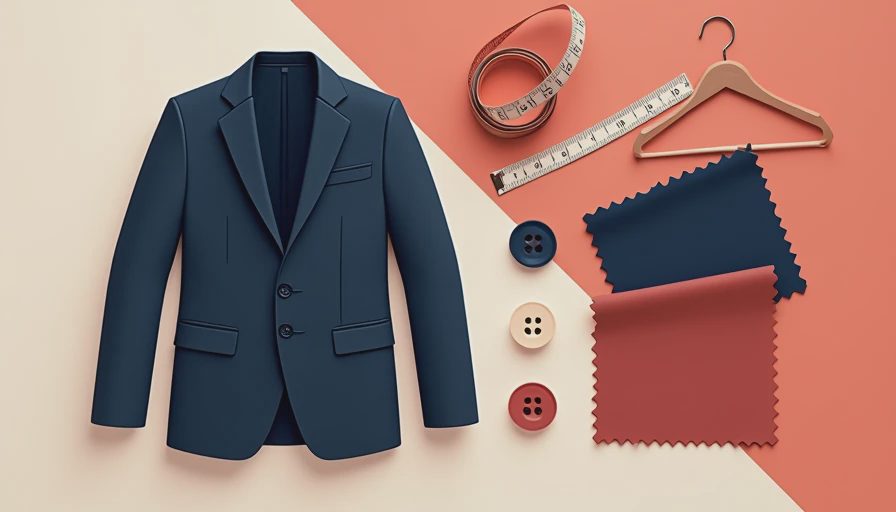
A lightweight wool blend is the safest first purchase. Look for something around 9 to 11 ounces if the store provides fabric weight. It is substantial enough for an office or dinner but not so heavy that you sweat through it in May. A wool-polyester blend often costs $120 to $250 and can be easier to care for than pure wool.
Cotton and linen jackets are useful for warm weather, but they wrinkle more quickly. That is not a defect; it is simply what those fabrics do. A cotton jacket can work for an outdoor graduation or casual dinner. Linen is comfortable at 85 degrees, though it will look lived-in by the second half of the evening. If you want one men blazer for men to cover the most situations, start with wool or a restrained wool blend instead.
Look closely at the lining, buttons, and pockets. A jacket with a smooth lining slides over a shirt without pulling. Buttons should be securely attached, and the pocket flaps should lie flat. You do not need hand-finished details or a designer name. You need clean seams and fabric that recovers after you sit down.
Pick colors you will actually wear
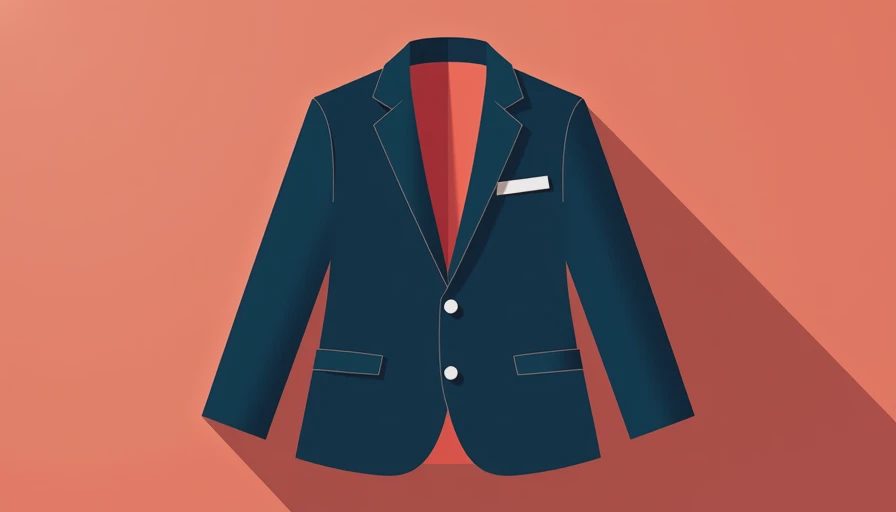
Navy is the workhorse. It pairs with gray trousers, khakis, tan chinos, dark denim, and even olive pants if you own them. Medium gray is the next useful option, especially if most of your closet is blue. Charcoal can work, but it sometimes looks too close to a suit jacket when worn with matching charcoal trousers.
A subtle windowpane or small check can be useful after you already own a solid navy jacket. Avoid loud patterns for a first purchase. A jacket covered in bright checks might look interesting under store lighting and become strangely difficult once you stand in front of your closet at 7:30 in the morning.
For a men blazer for men that can handle a work presentation and a restaurant, choose navy, gray, or a muted brown. Keep the buttons simple. Dark horn-look or matte buttons are easier to wear than bright gold buttons, which can make a casual jacket look like a costume piece.
Match the jacket to the occasion
For the office, wear navy with gray trousers and a light blue dress shirt. Brown leather shoes make the combination less severe than black shoes, though either can work. Add a conservative tie when the meeting calls for one. The jacket gives you a finished appearance without forcing you into a full suit.
For a wedding, use the same navy jacket with a white or pale blue shirt, pressed trousers, and a pocket square only if you already know how to wear one comfortably. You do not need to turn yourself into the best-dressed man in the room. You need clean clothes, proper fit, and shoes that have been wiped down.
For dinner, a knit polo or open-collar shirt can work with a men blazer for men, provided the jacket has a softer construction and the setting is not formal. Dark jeans are acceptable in many restaurants, but make sure they are plain, clean, and not distressed. A jacket cannot rescue jeans covered in fading, holes, or a week of yard-work evidence.
What to spend and where alterations matter
A reasonable first jacket often costs between $150 and $350 at a mainstream department store. Sale pricing can bring that lower, but inspect the garment rather than assuming the discount makes it a bargain. A $180 jacket that fits the shoulders is usually a better purchase than a $500 jacket that needs major correction.
Plan on spending $20 to $45 for sleeve alterations, depending on the buttons and construction. Taking in the waist may cost another $25 to $50. These are worthwhile changes when the shoulders and overall length are right. Do not pay to repair a jacket with twisted sleeves, a permanently rolling collar, or shoulders that extend beyond your body.
When ordering online, measure a jacket you already own that fits reasonably well. Measure from shoulder seam to shoulder seam, pit to pit, sleeve length, and back length. Compare those numbers with the seller's chart, then order from a retailer with a clear return policy. A size 42 from one manufacturer can fit differently from a size 42 in another. Try it on. That's what the fitting room is for.
A simple buying checklist
Before paying for a men blazer for men, run through this list. First, check that the shoulder seams finish at your shoulders. Second, button the jacket and raise your arms slightly; it should move without pulling hard across your back. Third, sit down to make sure the front does not strain. Fourth, inspect the sleeves with your arms relaxed. A small amount of shirt cuff, roughly a quarter to half an inch, is usually enough.
Next, wear the shirt and trousers you expect to use most often, or bring similar pieces when shopping. A navy jacket can look excellent with gray trousers and wrong with the particular blue trousers sitting in your closet. Check the color in natural light if possible. Store lighting has made many bad decisions look reasonable.
Finally, remove the temporary stitching from the vents and pockets only after you have decided to keep the jacket. Leave the pockets sewn shut if you tend to overfill them; bulging pockets spoil the line and stretch the fabric. Hang the jacket on a broad hanger, brush it occasionally, and use a dry cleaner sparingly.
A men blazer for men does not need to be complicated. Buy a solid navy or medium gray jacket in a fabric you can live with, get the shoulders right, and budget for minor sleeve work. One dependable jacket will cover more real occasions than three clever purchases that never leave the closet. Start with the fitting room, take your time, and let the mirror give you the answer.



No comments yet — grab the first one.