Sports coats and jackets are the answer when a suit feels like too much and a dress shirt alone feels like you gave up. I spent 30 years on a men's department floor in St. Louis, and I saw the same thing every week: a man comes in needing one useful jacket, then reaches for the loudest pattern on the rack. We have a short conversation, he tries on something quieter, and he leaves with a garment he will actually wear.
That is the whole point. You need a jacket for dinner, a graduation, an office presentation, or a wedding where nobody told you exactly how formal to dress. The right one should work with gray trousers, khakis, dark jeans, and several shirts already hanging in your closet. It does not need a designer label or a complicated explanation.
What Makes a Jacket Useful
A useful jacket has a restrained pattern, a dependable color, and enough structure to hold its shape without feeling stiff. Navy is the safest starting point. Charcoal, medium gray, olive, and brown can also earn their place, especially if your closet already contains blue and white shirts.
For a first purchase, look for a solid or subtle texture rather than a large plaid. A small herringbone, birdseye, or understated windowpane gives you interest without announcing itself from across the restaurant. A jacket that works with five different shirts is a better buy than one that only works with the matching trousers it came with.
The most dependable sports coats and jackets usually fall between about $150 and $400 at stores such as Macy's, Dillard's, and Nordstrom Rack. At that price, you can find wool blends, cotton options, and washable constructions that are practical for regular use. Sale pricing matters. A $300 jacket marked down to $180 can be a solid purchase, while a $180 jacket with poor shoulders is still money wasted.
Fit Comes Before Fabric
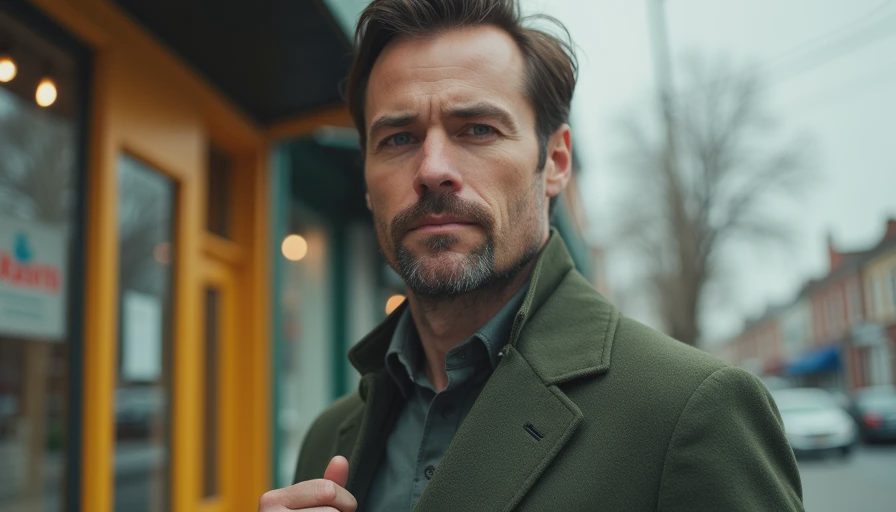
The shoulder is the part you cannot fix cheaply. Put on the jacket and let your arms hang naturally. The shoulder seam should end near the point where your shoulder ends. If it hangs an inch past that point, the jacket will look borrowed. If it pulls inward, the garment is too small or too narrow through the chest.
The collar should sit against the back of your neck without a gap. Button the jacket and take a normal breath. You want a clean front without an X-shaped strain line around the button. A little room is better than a tight closure, particularly if you plan to wear the jacket over a sweater in November.
Sleeves can usually be shortened by a tailor, often for $20 to $40, depending on the buttons and construction. Shoulders are a different matter. Altering them can cost much more and still produce a result that never looks quite right. Try it on. That's what the fitting room is for.
Choosing the Right Material
Wool remains the most versatile choice because it breathes better than polyester and resists wrinkles reasonably well. A medium-weight wool jacket works through much of the year in the Midwest, though you will want something lighter for hot summer events. Cotton feels relaxed and handles casual occasions well, but it can crease at the elbows and seat after a long drive.
A wool-polyester blend is not automatically a bad decision. Blends often cost less, clean up easily, and resist the hard wear that comes from commuting, travel, and sitting through a three-hour graduation. The problem is a jacket that feels shiny, limp, or overly slick under store lighting. Rub the fabric lightly between your fingers. Good material has some body and does not feel like a thin costume shell.
Linen is comfortable in heat but wrinkles quickly. That can be part of its appeal at a summer dinner, but it is not the garment to buy if you want a neat appearance after driving two hours. Cotton-linen blends offer a reasonable middle ground. Read the care label before buying; dry-clean-only clothing gets expensive when it becomes your everyday choice.
How to Match It With Clothes You Own
The easiest combination is a navy jacket, light blue shirt, gray trousers, and brown leather shoes. That outfit covers business dinners, church, a parent meeting, and many daytime weddings. Change the shirt to white for a sharper appearance or to a muted check when the event is more relaxed.
Sports coats and jackets also work with tan chinos, but pay attention to contrast. A pale khaki trouser with a very light beige jacket can make the entire outfit look washed out. Dark denim can work for casual dinners if it is clean, even in color, and free of artificial rips or heavy fading. I would not wear jeans to a wedding unless the invitation clearly points in that direction.
Avoid matching a jacket too closely to trousers unless you are intentionally wearing a suit. Near-matching separates often look like a suit that lost its trousers. When in doubt, choose obvious contrast: navy over gray, brown over blue, or gray over dark denim.
Buying for Real Occasions
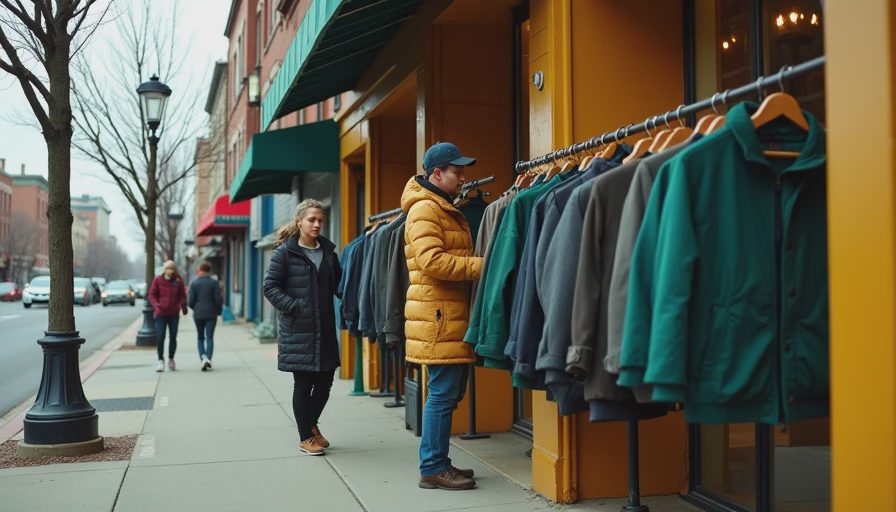
Before you shop, name the three situations you expect to handle. If the answer is office meetings, dinners, and family ceremonies, choose a conservative navy or charcoal jacket. If the answer is summer parties, outdoor dinners, and casual travel, cotton or linen blends deserve a closer look.
For a funeral, a dark navy or charcoal jacket with a white or pale blue shirt is respectful when a full suit is not required. For a wedding, ask about the dress code instead of guessing from the invitation alone. A medium-gray jacket can look appropriate at a daytime ceremony, while a darker jacket is safer for an evening reception.
A jacket should not be your only plan for cold weather. Leave enough room for a thin merino sweater, but do not size up so far that the shoulders collapse. Sports coats and jackets are indoor layers, not substitutes for a proper winter coat. They look better when they fit close enough to keep their shape.
A Department Store Test That Works
Take two shirts you already own when possible, or ask an associate for a white shirt and a blue shirt in your size. Try the jacket with both. Sit down, reach forward, and raise your arms slightly. The back may pull a little when you move, but it should not feel restrictive across the shoulders.
Check the length in a mirror. The jacket should cover most of your seat and end around the middle of your hand when your arms hang straight. That is a guide, not a law, but very short jackets and overly long coats both create problems. Look at the sleeve against your shirt cuff. About a quarter to half an inch of cuff is a useful starting point.
Ask whether the jacket can be altered and what the store charges. A $25 sleeve adjustment can turn a decent purchase into a good one. If the salesperson only tells you that everything looks perfect, get a second opinion. The mirror will tell you more than enthusiasm will.
What I Would Buy First
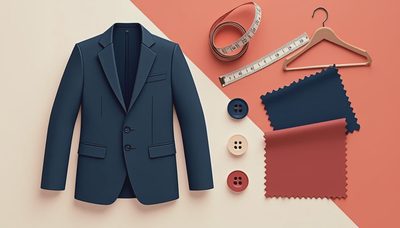
If I were starting over with an empty closet, I would buy a navy wool-blend jacket with a two-button front, moderate lapels, and a simple lining. I would want a fabric with enough weight to hang cleanly, but not so much that it belongs only in January. My second purchase would be a medium-gray textured jacket, followed by a lighter cotton or linen blend for warm weather.
I would spend roughly $200 to $350 on the first jacket if the fit was right, then reserve money for alterations. I would skip extreme patterns, bright contrast stitching, and anything that required special trousers to look complete. The best sports coats and jackets are the ones you stop thinking about after you put them on. They make the shirt look better, handle ordinary wear, and give you one less decision before leaving the house.
Walk into the store with a purpose, try on several sizes, and inspect the shoulders before admiring the buttons. Bring your own trousers if you can. Then sit down, move around, and look at the jacket under ordinary light. You are not trying to impress the rack. You are trying to buy something that still earns its hanger six months from now.



No comments yet — grab the first one.