A silk scarf with suit can look sharp, but it can also make a perfectly decent outfit look like you are headed to a costume party. The difference usually comes down to color, size, and how much of the scarf you allow people to see. After 30 years on a men's department floor, I have watched plenty of customers buy the wrong one, wear it once, and bring it back with the tags still attached. The good news is that the right scarf is simple to choose once you know what to look for.
Choose the Right Scarf for the Occasion
For a wedding, evening dinner, or holiday gathering, a silk scarf with suit works best when it adds a small amount of color rather than becoming the main event. Look for a square around 16 to 18 inches, with a medium-weight silk that holds a fold without collapsing. A scarf that is too thin can look flimsy against a wool jacket. One that is too large creates too much fabric at the neck and starts competing with the lapels.
A navy suit gives you plenty of room. Burgundy, rust, forest green, cream, and muted gold can all work, especially when one color repeats something in your shirt or tie. With a charcoal suit, try deep blue, gray, burgundy, or a restrained geometric print. Black suits are less forgiving; a gray or silver scarf can look appropriate, while a bright red one can make the whole outfit feel theatrical.
For a business meeting, the safest choice is a solid scarf or a quiet pattern with no more than three colors. Save the large paisley, shiny border, and dramatic contrast for a social event. You are trying to look put together, not announce that you have discovered accessories.
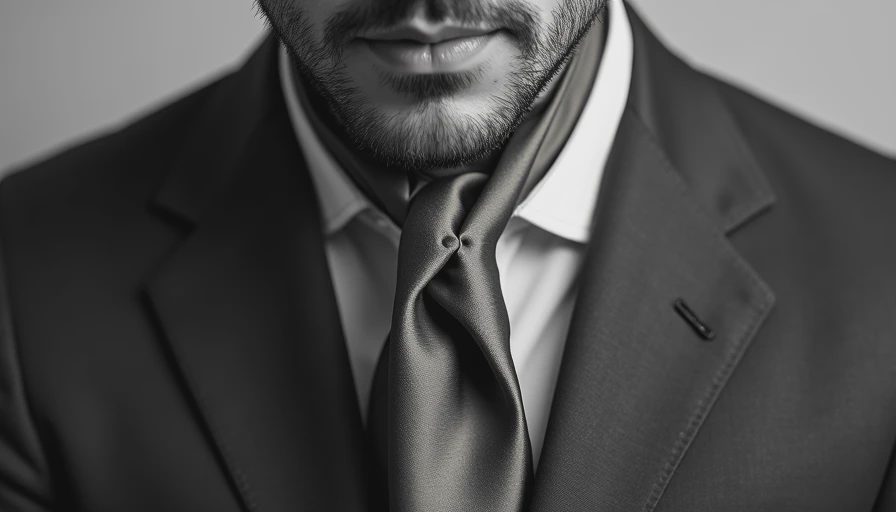
Match the Scarf to the Suit and Shirt
When a customer asks me about a silk scarf with suit, I start by looking at the jacket before I look at the scarf. A smooth navy worsted suit needs a scarf with a clean finish. A textured gray flannel suit can handle a slightly heavier weave and a stronger pattern. The scarf and jacket do not need to match exactly, but they should appear to belong in the same room.
The shirt matters just as much. A white shirt allows almost any restrained scarf color. A pale blue shirt works with navy, brown, burgundy, and green. If the shirt has stripes, checks, or a noticeable weave, keep the scarf quiet. Two bold patterns around the neck are usually one too many. If you wear a tie, the scarf should sit behind it or replace it; wearing both can work for a formal evening look, but it requires a light hand.
A useful test is to place the folded scarf on the jacket while standing in natural light. If your eye goes immediately to the scarf, choose a calmer color or smaller pattern. If it disappears entirely, add a little contrast. Department-store lighting can make silver look blue and cream look yellow, so check it near a window before buying.
Three Practical Ways to Wear It
The easiest approach is the loose drape. Fold the scarf into a narrow band, place it around your neck, and let the ends hang inside the open jacket. This works with a silk scarf with suit when you are wearing no tie and leaving one shirt button undone. Keep the ends roughly even, and do not pull the fabric tight. The result should look relaxed, not like a neck brace.
The second method is the tucked fold. Fold the scarf into a triangle, roll it gently, and place it around the neck. Tuck most of it behind the shirt or into the jacket, leaving only a small section visible above the open collar. This is the most forgiving option for a first attempt because it keeps the fabric under control. It also works well at a dinner where you want a little color without a visible knot.
The third is a simple front fold. Fold the scarf into a long rectangle, center it at the back of your neck, and bring both ends forward. Cross the ends once, then tuck them under the lapels. Use this with a sport coat or a suit worn without a tie. Avoid bulky knots. Silk does not need to be forced into a complicated arrangement to look finished.

Fit, Fabric, and Buying Details
A silk scarf with suit should feel smooth but not slippery enough to fall apart after five minutes. Hold the fabric by one corner and give it a gentle shake. A well-made scarf settles evenly, while a very thin one flutters and twists. Check the hem, too. Rolled edges usually look cleaner than a wide machine-stitched border, though a neat stitched edge can still be perfectly serviceable.
Expect to spend about $25 to $60 for a good department-store option. You can find cheaper scarves, but the fabric often feels papery and the colors look overly bright. At the other end, you do not need to spend several hundred dollars to get a useful piece. A mid-priced scarf in navy, burgundy, or cream will earn more wear than an expensive novelty print.
Size is worth checking before you pay. A 16-inch square is easy to tuck. An 18-inch square gives you more folding options. Anything around 24 inches can become bulky under a suit jacket unless you are deliberately wearing it as a larger neck wrap. If the tag does not list the dimensions, ask an employee to measure it. That is not being difficult; it is buying the right amount of cloth.
Common Mistakes I See on the Floor
The first mistake is choosing a scarf that repeats the exact color of the suit. A navy scarf on a navy suit often creates one dark lump at the collar. Choose a related color with enough difference to show the fold. The second mistake is showing too much fabric. If the scarf covers the shirtfront from collar to belt, it has stopped being a finishing touch and become the outfit.
Another problem is wearing a casual cotton scarf with a very formal suit. Materials should make sense together. A silk scarf with suit belongs with a dress shirt, polished leather shoes, and a jacket that fits across the shoulders. It will not rescue a jacket that is two inches too wide or sleeves that swallow your hands. I have corrected thousands of collars, and the shoulder line still matters more than any accessory.
Finally, do not ignore comfort. Silk can feel warm indoors, especially under a lined jacket. If you dislike anything tight around your neck, use the loose drape or tucked fold. There is no prize for enduring an accessory all evening.
A Five-Minute Final Check
Before leaving home, put on the complete outfit, including shoes. Look at the scarf from six feet away, not with your nose against the mirror. Make sure the ends are not longer than the jacket front, the shirt collar is sitting flat, and the scarf is not bunching beneath the lapels. Walk, sit, and reach for your car keys. If the scarf shifts immediately, loosen the fold or tuck more of it inside the jacket.
For a first purchase, I would choose a medium-weight navy or burgundy scarf with a small pattern and an 18-inch square. It will work with gray, navy, and many brown jackets, giving you several combinations without filling a drawer with experiments. A silk scarf with suit is a small detail, so treat it that way. The jacket, shirt, trousers, and fit still carry the load. Try it on. That's what the fitting room is for.





No comments yet — grab the first one.