Nobody enjoys buying a belt, which is why belt sizes for men get guessed at more often than they get measured. I see the same mistake every week: a man grabs whatever number looks close, then spends the next two years wearing it on the last hole like he is tying off a garden hose. The right belt is not complicated. It should close on the middle hole, lie flat at the buckle, and leave a little room both ways. If it does that, you are done. Try it on. That's what the fitting room is for.
How I Measure Belt Sizes for Men
The cleanest way to size a belt is to measure one you already wear well. Lay it flat and measure from the fold at the buckle to the hole you use most. Not the very end of the leather, and not the farthest hole. That number is your real belt size. If you do not have a good belt to copy, use a tape over the pants you wear most often and start there.
With belt sizes for men, the number on the tag is only the starting point. A 38 waist in dress slacks is usually not a 38 belt; a 40 is often the better place to begin. Jeans sit lower and behave differently, so a man who wears a 36 jean may still land in a 38 belt. That is not a trick. It is just how waistbands and rises work in the real world.
The goal is simple: the buckle should sit near the center hole. That gives you room after a holiday meal, after a month of walking, or after one of those years when the scale starts acting up for no good reason. If you are on the first hole, the belt is too long. If you are on the last hole, it is too short or too big for how you wear it. A belt should not look strained. It should look like it belongs there.
Why the Middle Hole Matters
Most men do best when the belt closes on the middle hole. That is the sweet spot because it leaves room to tighten or loosen without making the belt look borrowed. If the buckle is riding all the way to the end, the leather starts bending in a way it was never meant to bend. After enough wear, you get a crooked fold near the buckle and a belt that looks tired before its time.
I had one customer come in after losing a little weight. He was still wearing the same 42 belt on the last hole, and the leather had a permanent curl in it like a ribbon left in a shoebox. We put him into a 38, and the whole outfit settled down. His shirt stopped puffing out over the buckle, his trousers sat cleaner, and he looked like a man who had his act together even though all we changed was a strip of leather. That is what a proper fit does. It fixes the little things people notice first.
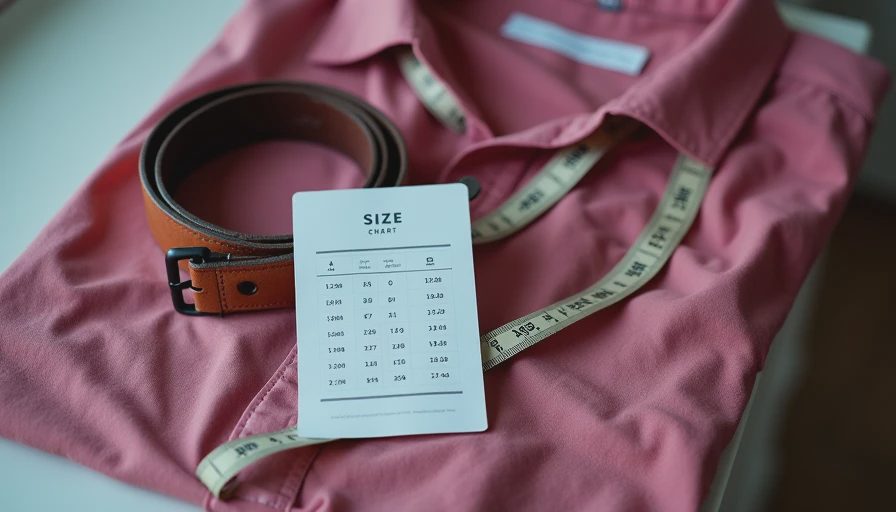
Common Belt Sizes for Men Mistakes
The biggest mistake is assuming belt size and pant size are the same thing. They are close enough to fool people and wrong enough to cause returns. Another mistake is buying one belt for every purpose and expecting it to behave the same with jeans, khakis, and dress trousers. A thick leather belt for denim may feel snugger than a thinner dress belt, even when the printed size matches. Braided belts and canvas belts play by their own rules too, because they do not break in like smooth leather.
I also see men buy for the waist they hope to have instead of the waist they have on payday. That sounds disciplined until the belt goes home, never fits quite right, and ends up in the drawer. If you are between sizes, go up one size and have a shoe repair shop or tailor punch a clean extra hole if needed. That is cheaper than returning three belts and standing in the checkout line looking irritated at nobody in particular.
A good department-store belt usually runs about $25 to $45 for basic leather, and a sturdier full-grain belt can land around $50 to $90. You do not need the pricey one if you wear it twice a month with church clothes. You do want the one that stays flat, keeps its shape, and does not start cracking at the fold after a season of use. The cheap belt that curls at the tip always costs more in the long run.
What to Buy When Your Weight Moves
Weight changes happen. A desk job, retirement, a better walking habit, a knee surgery, or just plain age can move the numbers more than a man wants to admit. When that happens, do not overthink it. Buy the belt for today, not for the version of yourself you keep promising the mirror. If you recently lost weight, take the belt you own to the store and compare it against the rack. If you gained a little, do the same and ignore the tag until the fit tells the truth.
For men shopping at Macy's, Kohl's, or Dillard's, the house-label leather belts are usually the easiest place to start. Levi's, Dockers, and Dickies also make plenty of practical options in the $20 to $60 range. Size charts help, but they are not the final word. Different makers cut slightly different. One company runs generous, another trims short, and a third expects you to know exactly where the buckle sits on your waist. The fitting room is still the best tool in the building.
If your job keeps you in khakis and button-downs, a plain black or dark brown leather belt will get more use than anything loud. If you wear jeans most days, a heavier belt with a simple buckle usually holds up better. Keep the hardware simple unless you have a good reason not to. A big buckle can be fine on the weekend, but it is not doing you any favors under a sport coat.
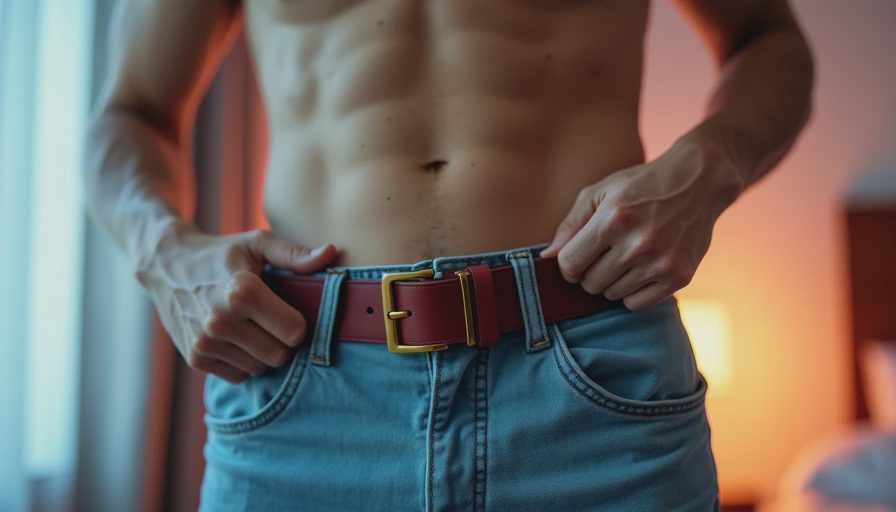
What I Tell a Man at the Counter
A few quick answers come up all the time. If your pant waist is 36, start with a 38 belt. If your waist is 40 or above, the same rule usually holds: go up about two inches and check where the middle hole lands. If the belt only works on the last hole, it is not the right size. If the leather is cracked near the buckle fold, replace it before it splits on the drive home.
If you wear dress slacks most of the week, a smoother belt with a slimmer buckle will look cleaner and sit better under a tucked shirt. If you spend your time in jeans, go with something sturdier that can take a little abuse. Either way, the belt ought to disappear into the outfit and do its job without asking for applause. That is all most men want, and it is all they need.
That is the plain version of belt sizes for men: measure the belt you own, start with pants size plus two inches, and let the middle hole tell you if you got it right. If you are still guessing, bring the pants with you and compare in the store. Try it on. That's what the fitting room is for.



No comments yet — grab the first one.