The best dress shirts for men are the ones a man can button, sit in, and still wear after lunch without tugging at the collar. I spent 30 years on a men’s floor in St. Louis, and I can tell you the same thing I told the fellows who came in after work, after church, or five minutes before a wedding: the shirt is either doing its job or it isn’t. Most returns were not about color. They were about necks that pinched, sleeves that swallowed the hand, or fabric so thin you could read a utility bill through it.
A decent dress shirt does not need a speech. It needs to fit the neck, lie flat at the shoulders, and stay decent after a few hours in a chair. If you start there, you can buy something that looks right at Macy’s, Kohl’s, or Dillard’s without acting like you’re shopping for a runway. And if you are between sizes, try the bigger neck and adjust the sleeve. That is usually the better move.
What the best dress shirts for men get right
When I hand out the best dress shirts for men, I start with the neck. You ought to get one finger, maybe two, between the collar and your skin when the shirt is buttoned. Any tighter and the customer starts thinking about lunch before noon. Any looser and the tie knot looks like it was borrowed from somebody else. Neck size is the first number on the tag for a reason.
Next comes the shoulder seam. It should sit right on the edge of the shoulder bone, not halfway down the arm and not creeping up toward the neck like it got lost. A lot of men blame the body when the real problem is the shoulder cut. If the shoulders are wrong, the rest of the shirt usually follows them downhill. Sleeve length matters too. A dress shirt cuff ought to show a little under a jacket, not disappear entirely or cover half the hand like an overcoat.
I also watch the body through the chest and waist. A trim shirt can look clean on a slimmer build, but if the buttons pull at the middle, it is too small. On a broader guy, a classic fit often hangs better because it gives room without ballooning. The goal is not to look squeezed in or buried in cloth. The goal is to look like the shirt belongs to you.
Fabric tells on a shirt fast. Cheap cotton can feel fine in the fitting room and then wrinkle like a paper sack after one commute. Better cotton has a cleaner hand and usually hangs better from the shoulders. If the shirt feels flimsy on the hanger, it will not become stronger after three washes.
Fabric, weave, and finish are where the money goes
Broadcloth is smooth and common, which is why it works for office wear and weddings. Pinpoint is a little more textured and tends to hide wear better. Twill has a diagonal weave and usually feels a bit heavier, which some men like because it looks sturdier and resists wrinkling better. Oxford is a fine shirt, but I would not call it the first pick for a formal office unless the place runs casual. That is one of those things a man learns after buying the wrong shirt once and being stuck with it.
Finish matters too. A wrinkle-resistant shirt can be a blessing if you travel or hate ironing, but there is a tradeoff. Some of those shirts feel a little drier or stiffer than all-cotton versions. That is not a sin. It is a choice. If you work in a humid city, sit in meetings all day, or toss shirts into a suitcase, a decent easy-care finish can save time and keep you from looking rumpled at 2 p.m.
Weight is worth paying attention to. A lightweight shirt around 3.5 ounces feels airy in summer, but a shirt closer to 4.5 ounces usually hangs better and gives you a little more structure. For most men, that middle ground is the sweet spot. Thin enough to breathe, heavy enough not to feel sad.
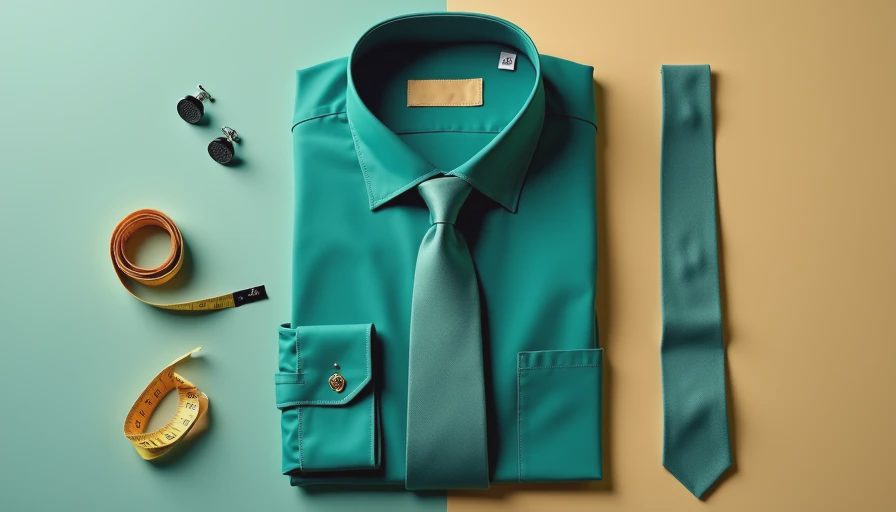
Color choices that earn their keep
If a man only owns one dress shirt, it ought to be white. If he owns two, the second one ought to be light blue. Those are not exciting answers, but they are the answers that keep getting worn. White works for interviews, funerals, church, and any day when the jacket matters more than the shirt. Light blue is the easy workhorse for office wear because it softens a dark suit and does not scream for attention.
The best dress shirts for men are usually in plain white, light blue, or a restrained stripe because those colors make the rest of the outfit easier. A thin stripe can help a broader man look a touch leaner. Small checks can work, but they start reading casual fast if the contrast gets loud. If you want the shirt to pull its weight for years, keep the pattern quiet and let the fit do the talking.
I have watched plenty of men buy a bold shirt because it looked lively on the rack, then wear it twice before it went to the back of the closet. That is why the sensible colors sell year after year. They are not exciting on the hanger. They are useful in real life, which is better.
What to pay at the store and what you get for it
At the lower end, around $25 to $40, you can still find a workable shirt, especially on sale from labels like Van Heusen, Arrow, Stafford, or a store brand. That price point is fine if you need a few office shirts and you are willing to check the seams, the collar, and the fabric closely. A man can absolutely dress well in that range if he buys carefully.
Move into the $50 to $80 range, and you usually start seeing better cotton, cleaner stitching, and collars that hold their shape longer. That is where a lot of mid-range department store shirts earn their keep. You are not buying magic. You are buying fewer headaches. The collar sits better, the placket lies flatter, and the shirt survives the laundry room without looking tired after a month.
Some men think more money automatically means better. Not always. I have seen plenty of expensive shirts fit badly and plenty of modest ones look sharp because the cut was honest. If you shop at Macy’s, Kohl’s, or Dillard’s, look for the shirt that matches your body first. The price tag matters, but the mirror matters more.
The fitting room checklist that saves returns
Walk into the fitting room with the collar buttoned first, then check the shoulders in the mirror. If the collar gapes open when you sit down, the neck is too big or the cut is wrong. If the shoulder seam hangs off the shoulder, the shirt is too large in the upper body. If the buttons pull across the stomach, go up a size or try a different fit before you talk yourself into it.
Raise your arms. Sit down. Reach forward like you are grabbing the steering wheel or a file off a desk. A shirt can look fine standing still and fail the second a man starts living in it. The hem should stay put well enough that it does not turn into a crop top every time you move. Sleeve cuffs should land at the wrist bone, not halfway up the forearm or all the way across the hand.
That is why I keep saying the same thing I said to customers for three decades: try it on. That’s what the fitting room is for. If the shirt passes those tests, you have probably found one of the best dress shirts for men in your budget, even if it did not come with a dramatic label.
If you want the best dress shirts for men without making a day of it, start with fit, then fabric, then color. Buy the plain shirt that works, not the loud one that looks busy for six minutes. Try it on. That’s what the fitting room is for.



No comments yet — grab the first one.