When people ask me about formal attire for men, they usually mean, “What do I buy so I do not look like I borrowed somebody else’s outfit?” Fair question. I spent 30 years on a men’s floor in St. Louis, and the same problem came up for weddings, funerals, interviews, and church dinners. The good news is this: you do not need a closet full of options. You need one decent suit, a clean shirt, a tie that behaves itself, and shoes that were not selected in a hurry at 7:40 a.m. on the way out the door. Try it on. That’s what the fitting room is for.
What formal attire for men really means
The first mistake is treating every occasion like it calls for the same thing. The trouble with formal attire for men is that men buy for the closet instead of the event. A dark navy or charcoal suit handles most situations. A white shirt is the safe play, and light blue is close behind. A plain tie in navy, burgundy, or silver gets more work than the loud one with a pattern nobody can describe after two beers. If the invitation says black tie, that is tuxedo territory. If it does not, a well-fitted suit is the right answer nine times out of ten.
For most shoppers, the budget lands somewhere between $250 and $600 for the full package if you are buying off the rack and getting a little tailoring. A department store suit around $200 to $400 can look plenty sharp once the sleeves and pants are cleaned up. Shirts in the $35 to $70 range hold up better than the $19 specials that come out of the dryer looking offended. You do not need to chase labels. You need fabric that hangs right, a collar that sits flat, and enough room in the seat that you can sit through a ceremony without thinking about your trousers.
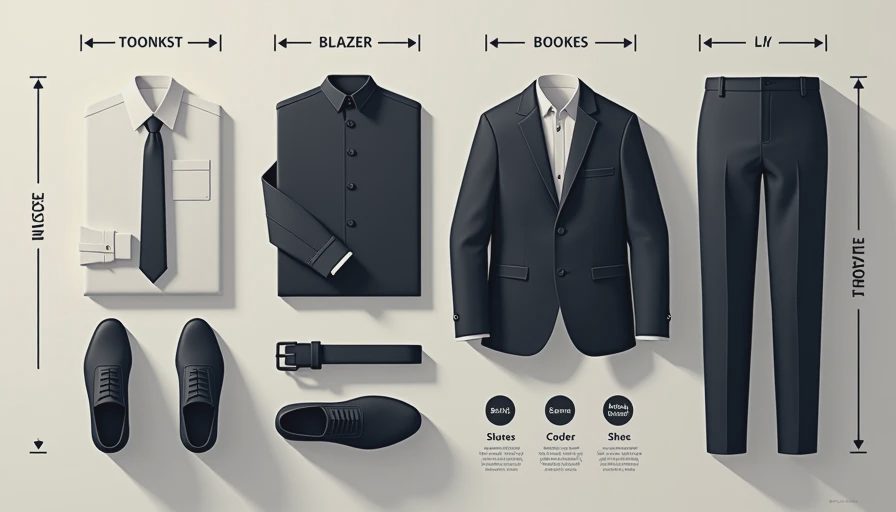
The suit, shirt, and tie that do the job
If you are shopping for formal attire for men, start with fabric before color. A wool blend around 7 to 9 ounces works well for most of the year. It drapes better than cheap shiny polyester, and it does not wrinkle like a paper bag after one car ride. Look for a jacket with a natural shoulder, a lapel that lies flat, and enough chest room to button without the fabric pulling. The jacket should cover the seat and end around mid-hand. If it looks like it was shrunk in the wash, leave it on the rack.
On shirts, the collar matters more than the pattern. You want one finger, maybe two at most, between neck and collar when the top button is closed. The collar should stay flat under the jacket, not poke up like it has an opinion. Most men do fine in a standard point collar. French cuffs are nice if you already own cuff links, but they are not a requirement for looking put together. For ties, a width around 3 to 3.25 inches works with most jackets. The tip should land at the belt line, not at the waistband of your dignity.
Shoes are where a lot of men quietly give up. Do not. Black cap-toe oxfords are the safest choice with navy, charcoal, and black suits. Brown can work with some lighter suits, but black is the cleaner answer if you only want one pair. Skip square toes unless you enjoy seeing an outfit go stale in a hurry. Belts should match the shoe color. Socks should be dark, long enough to cover the calf when you sit, and boring in the best possible way. The whole point is that nobody notices them.
Fit beats price every time
I have seen a $450 suit look cheap and a $250 suit look expensive enough for Sunday dinner with the in-laws. The difference was fit. The shoulders are the first thing I check because they are the hardest part to fix. If the seam hangs past your shoulder bone, the jacket will always look borrowed. Sleeves should show a bit of shirt cuff, usually a quarter inch to half an inch. Pants should be hemmed so they just kiss the top of the shoe, not puddle around it like laundry day.
One man came in years ago for his daughter’s wedding wearing a navy suit that fit him like he had lost a fight with his own closet. The shoulders were too wide, the sleeves covered half his hand, and the pants broke so hard he looked shorter than he was. We took in the sleeves, hemmed the trousers, and had the waist adjusted for less than what some people spend on dinner. He came back the next week and bought a second shirt because, in his words, “Now I look like I knew what I was doing.” That is the whole game.
If the jacket shoulders are wrong, do not talk yourself into it. If the waist and sleeve length are off, a tailor can usually rescue the thing for $20 to $75, depending on the job. Pants hems are cheap. Sleeve shortening is worth paying for. Jacket shoulders are where money goes to die. Men hate hearing that, but I have watched enough returns to know it is true. Try it on. That’s what the fitting room is for, and it saves a lot of wishful thinking.

What to buy for weddings, interviews, and funerals
For weddings, formal attire for men usually means a dark suit, white shirt, tie, and polished shoes unless the invitation clearly says black tie. If the ceremony is evening and the crowd tends to dress up, charcoal is a safe step up from navy. For interviews, keep it even simpler. Navy suit, white shirt, conservative tie, and shoes you can shine with a rag. Nobody hires a man because his tie was bold. They hire the man who looks like he can find the conference room without drama.
Funerals call for restraint. A dark suit, white or pale blue shirt, and a quiet tie is enough. Avoid shiny fabrics and loud patterns. If you are attending a viewing, a church service, or a graveside service, neat and respectful beats fancy every time. The same goes for dressier dinners or award banquets. Formal attire for men is not a mystery code; it is just a signal that you understood the room and dressed accordingly.
The short shopping list I hand out most
If a man asks me where to start, I usually tell him to buy one navy suit, one white dress shirt, one light blue shirt, one solid tie, one pair of black leather oxfords, one black belt, and dark socks that stay up. That covers interviews, funerals, weddings, graduation dinners, and about half the church calendar. If the budget allows a second suit, make it charcoal. If not, keep the navy suit pressed and rotate the shirts. A garment bag, a lint roller, and a decent wooden hanger will do more for your wardrobe than another impulse buy from the clearance rack.
Stores like Macy’s, Kohl’s, and Dillard’s usually have enough range that a man can find something serviceable without making a day of it. Some shoppers do fine in a house-brand suit and a better shirt. Others need a better jacket and a cheaper tie. There is no prize for spending more than you need to. There is also no prize for buying once and regretting it every time you unzip the garment bag. If you remember one thing, formal attire for men starts with fit, then fabric, then the small details that keep the whole thing from looking rented. Try it on. That’s what the fitting room is for.



No comments yet — grab the first one.