If formal dress wear mens has you standing in a department store staring at three nearly identical suits, you are in familiar company. I spent 30 years on a men's floor in St. Louis, and I watched plenty of capable men freeze beside the suit racks. They were not careless. They simply did not want to spend $500 on the wrong jacket and discover the mistake at a wedding.
The good news is that formal clothing for men is not complicated. You need the right level of formality, a jacket that fits your shoulders, trousers with a clean line, and a shirt that does not fight your collar. Start there, and you will look appropriate without looking like you borrowed somebody else's wardrobe.
What counts as formal dress wear for men
The occasion tells you how far to go. For most weddings, business dinners, graduations, and evening events, a dark navy or charcoal suit is the dependable answer. A white or light blue dress shirt, a conservative tie, black or dark brown leather shoes, and a matching belt complete the outfit. This is the backbone of formal dress wear mens shoppers actually buy in department stores.
A black suit is useful for funerals and certain evening events, but it is less versatile than navy or charcoal. A navy suit can attend a wedding on Saturday and a job interview on Monday. Medium gray is also useful, especially in spring and summer, though charcoal looks more serious and handles formal settings better.
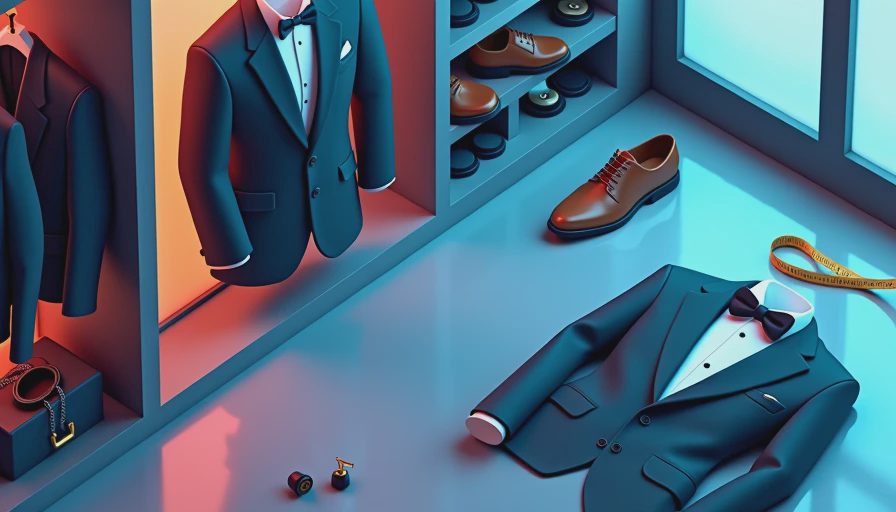
If an invitation says black tie, a regular business suit is not enough. You need a tuxedo, a white formal shirt, a black bow tie, and black dress shoes. Renting from a reputable formalwear shop is sensible if you attend one black-tie event every few years. Buying becomes reasonable when weddings, charity dinners, or work events keep appearing on the calendar.
Do not let a salesperson talk you into a shiny dinner jacket for an ordinary wedding. That garment has a narrow job. A well-fitted navy suit has a much longer working life.
The fit points that matter most
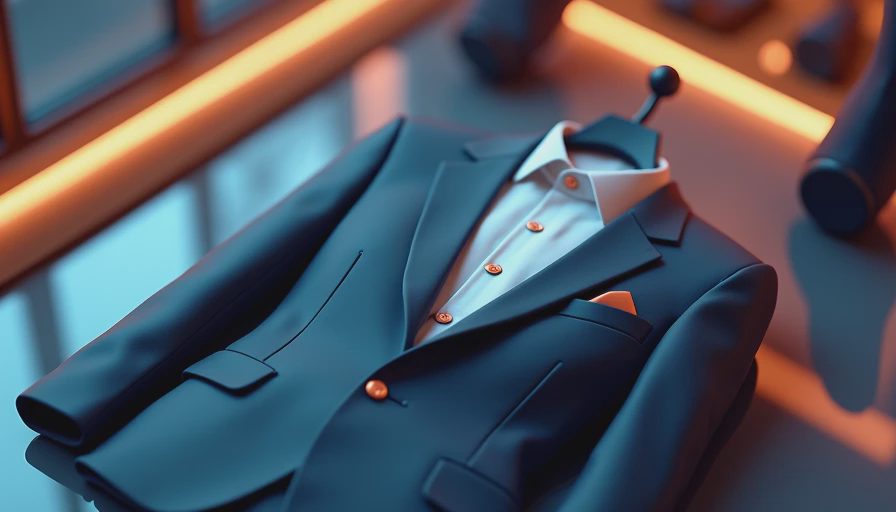
When a man asks me how formal dress wear mens should fit, I start at the shoulders. The jacket seam should end where your shoulder ends. If the seam hangs an inch past the shoulder, the entire coat looks borrowed, and a tailor cannot easily correct it. If the seam pulls inward, the jacket is too small. Try it on. That's what the fitting room is for.
The jacket should close without an X-shaped burst of wrinkles around the button. You should be able to slide a flat hand between your shirt and the jacket near the chest, but you should not have room to make a fist. The sleeve should show roughly a quarter to a half inch of shirt cuff. More than that can look fussy; none at all makes the jacket appear oversized.
Trousers should sit at your natural waist or just below it, depending on the cut. The waistband should stay put without a belt doing all the work. For a traditional appearance, the hem can make a small break over the shoe. A clean, slight break is easier to wear than trousers stacked in folds around the ankle.
One customer came in before his daughter's graduation wearing a jacket two sizes too large. He thought the extra room made him look comfortable. It made his shoulders disappear. We moved him into the correct size, shortened the sleeves, and changed nothing else. His wife noticed the difference before he did.
Choosing fabric, color, and construction
For formal dress wear mens purchases, start with fabric weight rather than a label. A midweight wool blend around 9 to 11 ounces works through much of the year and resists wrinkles better than very light material. Lightweight polyester can feel convenient at first, but it often looks shiny under indoor lighting and may not breathe well during a crowded reception.
A wool or wool-blend suit in the $250 to $600 range is a practical target at stores such as Macy's, Dillard's, or department-store house brands. Sales can bring a $400 suit closer to $250. You do not need a luxury label to get a clean jacket, usable lining, and trousers that hold their shape. You do need to inspect the stitching, buttons, and trouser hem.
Navy is the safest first purchase. Charcoal is the best choice for a more restrained business wardrobe. Black works when the event calls for it, but it can look severe during daytime celebrations. Avoid loud windowpanes, glossy fabric, and very narrow lapels if you want one suit to handle several occasions.
Before buying, sit down, raise your arms, and cross them briefly. A formal outfit should look composed while you move, not only while you stand in front of a mirror.
Shirts, ties, and shoes that finish the outfit
The shirt collar needs to sit close to your neck without choking you. Measure your neck with one finger of room, then try the actual shirt with the jacket. Collar sizes differ between brands, and a labeled 16-inch shirt is not guaranteed to feel the same everywhere. White works with every suit. Light blue is easier on the face and still looks formal.
For formal dress wear mens occasions, a tie should reach the middle of the waistband or belt buckle. A tie that ends at the stomach looks short; one that hangs below the buckle looks careless. Solid burgundy, navy, gray, or a restrained stripe will cover most invitations. Match the tie to the overall outfit, not to every tiny detail of your shirt.
Black cap-toe lace-ups are the most formal everyday choice. Dark brown cap-toe shoes work with navy and medium gray, but not with a black suit. Keep the belt leather close to the shoe color. Dress socks should cover the lower leg when you sit, and they should not be white athletic socks making an appearance below your trousers.
Polish the shoes before the event. A five-minute wipe with a soft cloth and a small amount of shoe cream can make an inexpensive pair look considerably better. Scuffed toes are noticed more often than men expect.
A buying plan for different budgets
If your budget is under $250, look for a sale-priced suit with a simple solid color and reserve $30 to $60 for alterations. A sleeve adjustment and trouser hem usually produce more visible improvement than upgrading to a fancier tie. Ask whether the jacket has extra seam allowance and whether the trousers can be let out slightly.
From $250 to $600, you can usually find a dependable two-button suit in a wool blend, with enough choice to improve both fit and fabric. This is where most formal dress wear mens buyers should spend their attention. Compare shoulder fit first, then chest, sleeve, trouser rise, and fabric hand.
If you already own a navy suit, add a white shirt, light blue shirt, two ties, and black shoes before buying another jacket. That small collection can cover an interview, funeral, dinner, wedding, and graduation. A garment that works five ways earns its closet space.
The fitting-room checklist before you pay
Wear the type of shirt you expect to use under the jacket. Check the shoulders from the side and back. Button the coat, sit down, walk several steps, and lift your arms. Look for pulling at the button, a collar gap behind your neck, or trouser pockets that flare open. Those are warnings, not minor details.
Ask the associate what alterations are included and when they will be finished. Try both your usual size and one size up or down; size labels are not measurements carved in stone. Keep the receipt until the completed garment has been worn indoors with the full outfit.
Formal dress wear mens shopping is best handled as a short checklist, not a Saturday-long ordeal. Buy the suit that fits the shoulders, choose quiet accessories, and spend the remaining money on alterations. That is how men leave the fitting room looking prepared instead of dressed up for no particular reason.



No comments yet — grab the first one.