A madras shirt is one of those garments a man either understands immediately or puts back on the rack because the colors look too busy. I spent 30 years on a men's floor in St. Louis, and I can tell you the problem was rarely the shirt itself. It was usually the wrong size, the wrong fabric weight, or a customer trying to wear it to an occasion that called for something quieter.
The good ones are comfortable, useful, and easy to wear through spring and summer. They are woven from cotton, usually in a plaid or checked pattern, and often have a slightly irregular color mix that keeps them from looking like a uniform. You do not need a closet full of them. One properly fitted madras shirt can handle a Saturday barbecue, a vacation dinner, and a casual Friday without making a production out of getting dressed.
What makes a madras shirt different
Traditional madras cloth came from India and became known for lightweight cotton, bright checks, and a relaxed hand. Modern versions range from thin, airy shirts to medium-weight cotton that feels more like a dependable button-down. Some are yarn-dyed, meaning the threads receive their color before weaving. Others use printed patterns. Yarn-dyed cloth generally gives you a more convincing plaid and tends to look better after repeated washing.
At the store, I would hold a madras shirt up by the shoulders and check whether the colors looked balanced from a few feet away. That matters. A pattern can appear attractive on a hanger and turn into a jumble when stretched across a chest. Look for enough background color between the lines. If every square is shouting, you will probably wear it twice and then leave it behind the golf shirts.
Fabric weight is worth noticing. A very light madras shirt works well in July but can wrinkle before you reach the restaurant. A medium-light cotton version has more body and is easier to tuck. For most men, that middle ground is the safer purchase.
How a madras shirt should fit
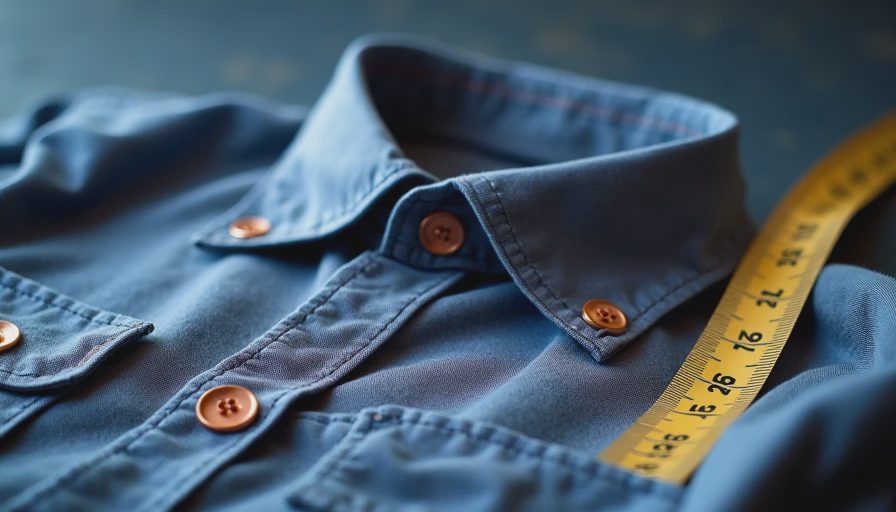
Fit is more important than the plaid. The shoulder seam should end near the point where your shoulder drops, not halfway down your upper arm. When you button the shirt, the fabric should lie flat across your chest without pulling between the buttons. You ought to be able to pinch about an inch of fabric at the side without turning the shirt into a tent.
Sleeves usually look best when they reach the wrist bone with your arms hanging naturally. If you plan to roll them, start with enough length to make two clean folds. The hem depends on how you wear it. A shirt designed to be untucked should end around the middle of your fly, not below your seat. A tuckable version needs enough length to stay put when you sit down.
I remember a customer in his early sixties who kept rejecting shirts because he thought the plaid made him look wider. The real issue was a tight large. We tried an extra-large with a trimmer cut, and the pattern settled instead of stretching. He bought two colors. The lesson was simple: never blame the fabric before checking the fit. Try it on. That's what the fitting room is for.
Choosing colors without making your closet work too hard
If this is your first madras shirt, start with a combination that includes navy, white, gray, tan, or muted green. Those colors connect easily with khaki pants, dark denim, stone-colored chinos, and navy shorts. A blue-and-white plaid is usually the easiest entry point. It reads as casual but does not demand attention from across the room.
Red, orange, yellow, and turquoise can work, but the rest of your outfit needs to be plain. A red-and-blue madras shirt with khaki chinos is straightforward. Add patterned shorts and bright shoes, and suddenly the shirt has become a conversation you did not intend to start. Men who buy a loud plaid often get better use from it when they treat it as the only noticeable item.
The collar deserves attention, too. A button-down collar gives the shirt a traditional, easygoing appearance. A spread collar can look cleaner under a casual jacket. Avoid a collar so soft that it collapses into the neckband. That is not relaxed; it is just tired.
What to wear with one
A madras shirt works best with solid trousers. Khaki chinos are the dependable choice, particularly in a straight or lightly tapered fit. Dark jeans make the shirt feel a little less preppy and are useful for dinner or a weekend event. In warm weather, flat-front shorts in navy, tan, or olive keep the outfit from becoming overly colorful.
For shoes, brown leather loafers, simple canvas sneakers, or casual moccasins are reasonable partners. I would leave the shiny dress shoes in the closet. A lightweight cotton plaid does not need them, and the mismatch makes the wearer look as if he dressed in two different rooms.
You can also wear a madras shirt beneath a solid navy cardigan or unstructured cotton jacket. Keep the layer quiet. A small amount of plaid at the collar and cuffs is enough to add interest without turning the whole outfit into a display window.

Where it belongs and where it does not
This is an informal shirt. It works for cookouts, casual offices that permit denim, weekend errands, travel, outdoor dinners, and family gatherings. It can be a sensible choice for a summer graduation party if the invitation is clearly casual. With a navy blazer, clean chinos, and leather loafers, a restrained madras shirt can look presentable for a relaxed dinner.
It does not belong at a job interview, a funeral, a formal wedding, or a business meeting where a solid dress shirt is expected. A customer once asked me to find a madras shirt for a wedding because he disliked ironing. I sent him toward a wrinkle-resistant solid blue shirt instead. Avoiding the iron is not a good reason to wear the wrong garment.
The pattern also makes it a poor choice when you need to look intentionally understated. If you are meeting a new client or giving a serious presentation, a white or pale blue oxford will do the job with less explanation.
How to shop for one that lasts
Check the side seams first. They should run straight from the armpit to the hem, without twisting. Examine the buttons; they should be sewn securely with no loose thread. Look inside the collar and cuffs for clean stitching. A shirt priced around $35 to $70 can be perfectly serviceable, while a heavily discounted shirt may still be a poor buy if the cloth feels papery and the seams wander.
Read the care label before purchasing. Cold washing and low-temperature drying will help preserve cotton, but many madras shirts look better hung damp and allowed to finish drying on a hanger. Do not expect a lightweight shirt to come out of a hot dryer looking ready for dinner.
Before paying, try sitting down and lifting your arms. The back should not pull tight, and the hem should remain reasonably positioned. Check the shirt in the fitting-room mirror, then step back several feet. A madras shirt has to look right at normal conversation distance, not only with your nose against the fabric.
The practical recommendation
Buy one in a moderate-weight cotton plaid, with colors you already wear in your pants and shoes. Choose a shoulder fit that is correct before worrying about whether the pattern is flattering. Wear it with solid trousers, keep the rest of the outfit quiet, and reserve it for occasions where relaxed clothing makes sense.
If you are uncertain between two sizes, bring both into the fitting room. Button each one, sit down, and raise your arms. The better shirt will usually make itself obvious. A madras shirt should feel easy, not like a test you have to pass. That is the whole point of owning one: dependable comfort with just enough color to keep a plain summer outfit from looking like you gave up.




No comments yet — grab the first one.