Thirty years on the men's floor, and the one fit problem I see more than any other is the shoulder. The average male shoulder width in off-the-rack shirts and jackets runs somewhere around 17 to 18 inches, but that number is a starting point, not a gospel. I've handed dress shirts to roughly fifty thousand men in St. Louis, and the ones who come back for returns are usually the ones who trusted a size chart instead of a mirror. Shoulders are the foundation. If that seam is off, nothing else works.
Why the Average Doesn't Fit You
Averages are built from a bell curve, and a bell curve means a lot of men are not in the middle. I've dressed guys with shoulders as narrow as 15 inches and as wide as 21 inches. They both wore a size 40 jacket if the brand cut that way. That's why the average male shoulder width you see on a catalog page won't tell you which coat to buy. It only tells you what a typical garment was built around.
When the shoulder seam misses the bone, the whole coat misbehaves. The collar stands away from your neck, the sleeves twist, and the front won't lie flat. You end up looking like you borrowed a jacket from a larger man. None of that is a fabric problem. It's a measurement problem.
The Numbers Behind the Tape
A tailor measures shoulders from one shoulder bone to the other across the back. For most adult men, that body measurement falls between 16 and 17 inches. The garment measurement on a size chart is different. It's the seam-to-seam distance across the back of the shirt or coat, and it includes a little extra ease. A typical size 40 jacket measures about 18 inches across the shoulders. A size 16.5 dress shirt often carries a shoulder seam of 18.5 to 19 inches.
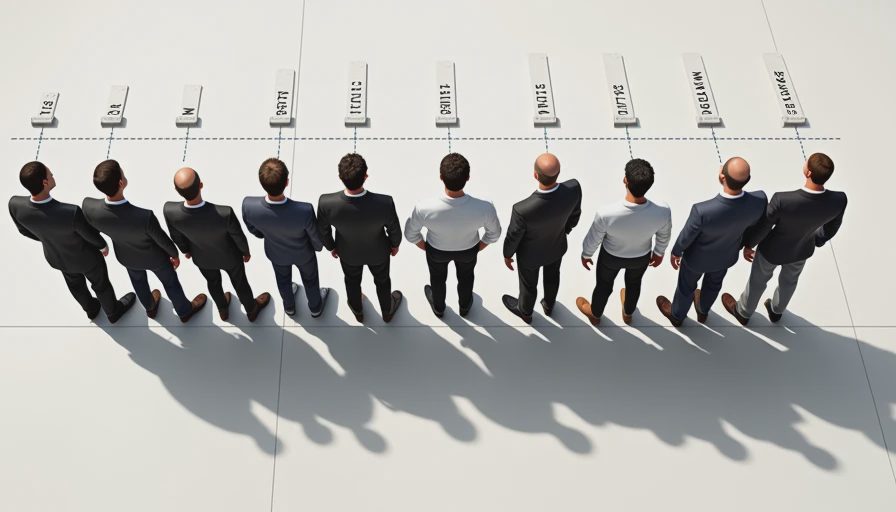
So when a size chart says the average male shoulder width is 18 inches, it's talking about the garment, not the man inside it. You need to know both numbers: your body measurement and the garment's seam width. The body number tells you what you naturally are; the garment number tells you whether the hanger is your friend or your enemy.
In my thirty years, more shirts and coats came back for shoulder fit mistakes than any other issue. Men check the chest, check the sleeves, and never touch the shoulders until they're home in front of a mirror.
How to Measure Your Own Shoulders
You don't need a tailor to get your body measurement. Stand relaxed, arms at your sides. Have someone place a flexible tape at the edge of your left shoulder bone, run it across the back of your neck, and measure to the edge of your right shoulder bone. That's your number. Don't slouch, don't flex, and write it down.
If you're measuring alone, use a doorway. Put one shoulder against the frame, mark the spot where the bone hits, then pivot and mark the other side. The distance between the marks is a rough body measurement. It's not as precise as a second person, but it's close enough to tell you whether you need a 17-inch or a 19-inch shoulder.
Bring that number to the store. Compare it to the seam measurement on the garment, not the tagged chest size. Most mid-range stores, including the one I ran, print the shoulder width on the inner label. If they don't, stretch the tape across the shoulders while the coat is on the hanger. That tells you the truth before you ever pull it on.
What This Means for Shirts and Jackets
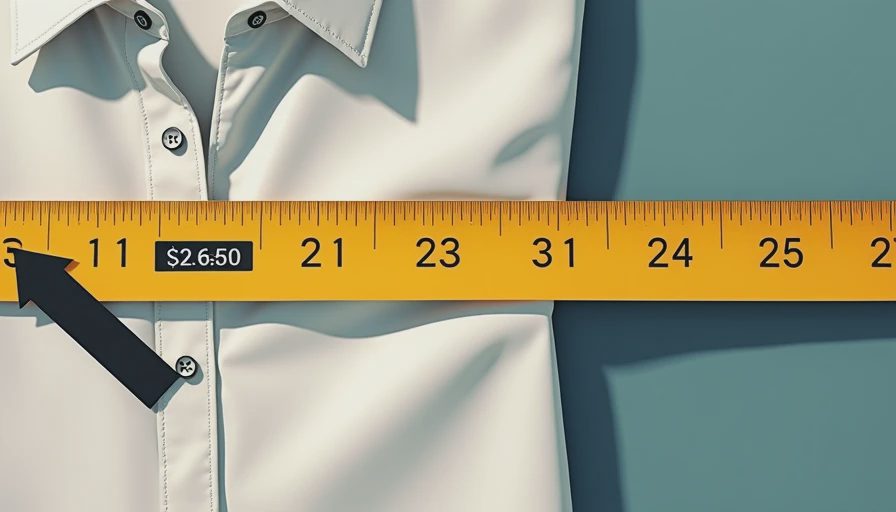
For a dress shirt, the shoulder seam has to land right at the point where your shoulder bone starts to angle into your arm. If the seam drops down your arm, the shirt is too wide. If it stands out and the fabric pulls at your armpit, it's too narrow. Men with broad shoulders often size up in the neck to get the shoulder fit they need, and then the collar swims on them. That's the tradeoff. Look for a trim or athletic cut if you can, but the seam is the seam. No label changes where it sits.
For a jacket, the rule is tighter. The shoulder seam should end exactly at the edge of the bone. Here's the test I used every day: raise your arms straight out to the sides, then lower them. If the jacket's shoulder snaps back to the same seat, the width is right. If it stays out, the coat is too big. A tailor can let out the waist or shorten the sleeves, but he can't move a shoulder seam more than about three-eighths of an inch without redoing the whole sleeve cap. That's expensive. So the shoulders are the first thing to check, not the last.
The Fitting Room Is the Only Test That Matters
Every average male shoulder width chart in the world is just a guide. The real answer is on your body. Try it on. That's what the fitting room is for. Stand up straight, look in the mirror, and put your finger on the shoulder seam. If it sits right on the bone, you're in business. Move your arms, reach across your chest, shrug once. If the seam holds its place, the fit is right.
Take ten minutes to get your number before you shop again. It's the single best investment you can make in your wardrobe. When you know your shoulder width, you'll reach for the right size without thinking, skip the brands that cut too narrow, and stop wasting time on returns. Thirty years of handing shirts to men taught me that a guy who knows his shoulder width walks out happier every single time.



No comments yet — grab the first one.