The phrase business casual dress code men sounds simple until a man stands in front of his closet at 7:10 a.m. holding a tie he does not want to wear and a pair of jeans he knows he probably cannot wear. I spent 30 years on a men’s floor in St. Louis, and the truth is the same everywhere: most offices do not want a suit, but they do want you to look like you understood the assignment. This is not hard once you know which pieces pull their weight and which ones make you look like you got dressed in the dark.
What the business casual dress code men usually means
When I tell a man how business casual dress code men works, I start with this: no suit required, but no weekend clothes either. Think pressed khakis, chinos, wool trousers, collared shirts, and shoes that are cleaner than the car floor mat. If your office leans conservative, a sport coat is still a good insurance policy. If your office is relaxed, a neat polo or button-down with chinos usually gets the job done.
The mistake I saw most often was men dressing for what they hoped the office meant instead of what it actually meant. One guy would show up in faded jeans because the receptionist wore sneakers. Another would wear a blazer, tie, and shiny shoes to a place where everybody else was in khakis and golf shirts. The middle ground is where you want to live. For most men, that means a wrinkle-free shirt, pants with structure, and shoes that look like you chose them on purpose.
The shirts, pants, and jackets that do the work
Start with shirts. A solid oxford, pinpoint, or twill button-down is the safest bet. White, light blue, and pale stripes are the easy wins because they go with nearly anything. A polo can work too, but I mean a good one with a collar that keeps its shape, not the one you wore to mow the lawn. If the office runs warm, a knit polo in navy, gray, or burgundy looks better than a faded tee pretending to be dressed up.
For pants, chinos are the workhorse. Look for cotton with enough structure to hold a crease, not pajama-soft fabric that collapses at the knee by lunch. Dockers, Haggar, and similar mid-range labels are where a lot of men land because the price usually sits in the $40 to $80 range and the sizing is easy to live with. Wool trousers are a step up if you want a cleaner line, especially in gray or navy. If the pants pull across the seat or bag at the ankle, they are the wrong pair, no matter how cheap they were.
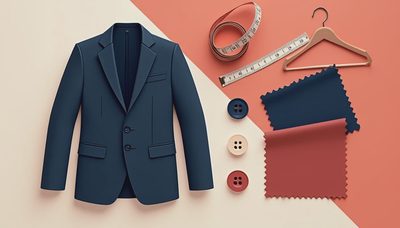
A sport coat helps more men than they think. Navy is the safe choice. Charcoal and brown work too. In a department store, I used to tell men to think of it as the jacket that makes a shirt and pants look finished without making them look dressed up for a wedding. A decent one will usually run from about $120 to $250 at Macy’s, Kohl’s, or Dillard’s depending on fabric and construction. You do not need fancy. You need shoulders that sit right and sleeves that do not swallow your hands.

Shoes and the small details that get noticed
Shoes matter because they are the first thing people notice after the fit. Leather loafers, plain-toe oxfords, derby shoes, or clean slip-ons all work. Brown is easier for most men because it softens the whole outfit and goes with navy, gray, tan, and olive. Black is fine if your office leans more formal or you wear dark trousers often. What does not help is a worn-out sole, a scuffed toe, or a sneaker that looks like it came from the gym bag.
Belts should match the shoes in tone, not necessarily be an exact clone. If the shoes are brown, get a brown belt. If the shoes are black, get black. Simple saves money. Socks should be long enough that nobody sees your leg when you sit down. That is not a theory; that is just manners. A watch, if you wear one, should look clean and not like it survived three home repairs.
This is where business casual dress code men gets easier: the details are small, but they do a lot of work. A decent belt from Calvin Klein, Dockers, or Levi’s is not expensive. Neither is a shoe tree, which helps more than most men want to admit. I have watched men spend money on a shirt and then ruin the whole look with shoes that looked tired in 2018.
Three office situations I see all the time
The first one is the interview for a job that says business casual on the posting. In that case, I tell a man to dress one notch above the crowd he expects to meet. Chinos, a blue button-down, and a navy sport coat is a safe combination. It says you take the meeting seriously without looking like you borrowed a jacket from your brother.
The second is the regular office day where nobody is watching closely until they are. For that, a crisp polo or button-down with pressed chinos is fine. If the office has air conditioning that could hang meat, bring the sport coat and leave it on the back of the chair. You will use it more than you think.
The third is the after-work event where the invite says casual but the room says not really. That is where a good shirt, dark trousers, and proper shoes save the day. I have seen plenty of men walk in overdressed in the wrong way or underdressed in a way they regretted before the salad came out. The better move is boring in the best sense. Boring gets repeated. Repeated gets dependable.

How to shop without buying the wrong thing
When a man asks me where to start, I tell him to build the outfit backward from the shoes. If you own one good pair of brown leather shoes, you can build half a wardrobe around them. Add two belts, three shirts, and two pairs of chinos in different shades, and you are most of the way there. That is cheaper than buying random pieces and hoping they get along.
If you are shopping at Macy’s, Kohl’s, or Dillard’s, pay attention to fabric weight and shoulder fit before you worry about labels. A shirt that fits in the neck and shoulders but blouses at the waist can be altered. A jacket that is two inches too wide in the shoulders is a return, not a project. I have seen too many men try to rescue a bad fit with confidence. Confidence is nice. Sewing is better.
Business casual dress code men does not ask for creativity. It asks for judgment. Clean shoes, the right pant length, a shirt that lays flat, and a jacket only when it helps. If you get those pieces right, nobody will be staring at your clothes, which is exactly the point. Try it on. That’s what the fitting room is for. If your office lives somewhere in the middle, business casual dress code men is the safest place to start, and it is easier to manage than most men think.



No comments yet — grab the first one.