Mens wedding attire gets easier when you stop trying to impress the room and start dressing for the invitation. I have put a lot of men into wedding clothes over the years, and the ones who looked best were usually the ones who kept it simple: clean suit, right shirt, decent shoes, no panic. The guy who overthinks it shows up in a jacket that fights his shoulders and pants that need a rescue mission. The guy who stays calm walks in, shakes hands, takes the photos, and never thinks about his clothes again.
The rule I give men on my floor is plain enough. Start with the dress code, then work backward from the venue, the time of day, and how often you will wear the outfit again. If the invite says black tie, that means a tuxedo, not a black suit and a prayer. If it says formal or cocktail, a dark suit usually gets the job done. For a church wedding, an evening reception, or a downtown hotel ballroom, navy and charcoal still do more work than any trendy color that looks good on a hanger and strange in flash photos.
A man once came in before his nephew's wedding with a gray suit he already owned. Good suit, wrong suit. He wanted something brighter because he thought the pictures needed a little excitement. I handed him a navy suit, a white shirt, and a quiet tie. He looked in the mirror and said he felt like himself, only cleaner. That is the goal. Not a costume. Just mens wedding attire that lets the rest of the day do the talking.
Start with the dress code, not the sale rack
For mens wedding attire, the invitation matters more than the sales rack. A black-tie wedding calls for a tuxedo jacket, tux trousers with the satin stripe, a formal shirt, and a bow tie. That is not the place for a shiny suit from the clearance table. If the wording is semi-formal, cocktail, or dressy casual, you usually have room for a suit in navy, charcoal, or a deep blue that does not look flashy in photographs. If the wedding is outdoors in the afternoon, especially in warm weather, a lighter suit can work if the rest of it stays neat and restrained.
What I tell men is this: do not dress louder than the couple who is paying for the event. If the groom is in a tux, do not show up in seersucker because you wanted to be different. If the wedding is at a country club or a hotel, you can usually trust a classic suit more than a fashion-forward experiment that will be dated before the cake is cut. The safe choices are safe for a reason. They do not get returned.
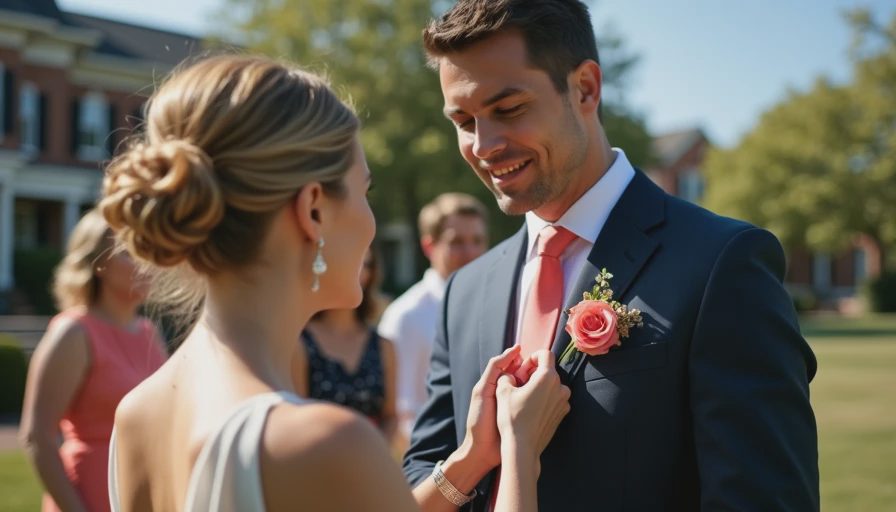
Fit beats price every time
The best mens wedding attire in the building still looks wrong if the shoulders are hanging off the body. I have seen a $700 suit look mediocre because the jacket was too wide and the pants were puddling at the shoe, then watched a midrange suit look sharp after $60 in alterations. That is not magic. That is fit. The shoulder seam should sit right at the edge of the shoulder, the jacket sleeve should show a little shirt cuff, and the jacket length should cover the seat without swallowing the man who is wearing it.
Pants matter just as much. A clean hem with a slight break works for most men. Too much break makes the leg look shorter and heavier. No break can look fine if the pants are trimmed properly, but they cannot be too short unless you are aiming for floodwater. Waist and seat should be comfortable enough to sit through a ceremony and a dinner without doing inventory every ten minutes. If the jacket buttons and the lapels lie flat, you are close. If the coat pulls across the middle, the size is wrong.
The common mistake is buying one size up because a man thinks it will be more forgiving. Usually it is just more shapeless. The fitting room is where that gets fixed, not after the wedding photos are printed. Try it on. That's what the fitting room is for.
Choose pieces you can wear again
When I talk mens wedding attire with a groom, a father of the bride, or a guest who does not want to buy clothes for one afternoon, I talk about rewear value. A navy suit with a white shirt and a subdued tie can handle weddings, funerals, interviews, church, and a nice dinner without looking borrowed from a rental counter. Charcoal does similar work. If you are buying instead of renting, a wool or wool-blend suit usually holds its shape better than a cheap shiny blend that reflects every camera flash in the room. Around 9 to 11 ounces is a practical year-round weight for many men; lighter works in summer, heavier is better in cold weather.
Shirts should be simple. White is the safest bet. Light blue is fine if the suit is dark and the event is not extremely formal. Keep the collar crisp and the fit close enough that the neck button does not fight you. Shoes should be leather, clean, and plain enough that nobody notices them. Black cap-toe oxfords are the safest formal choice. Dark brown can work with navy at less formal weddings. Sneakers are not a shortcut here; they just announce that you quit halfway through getting dressed.
Tie choice is where men start getting brave for no good reason. Solid silk, small pattern, or a muted stripe will serve you well. Let the tie support the outfit instead of yelling across the room. If you want a pocket square, fine, but do not match it exactly to the tie like they were sold together in a shrink-wrapped box. That look has a rental counter smell to it.
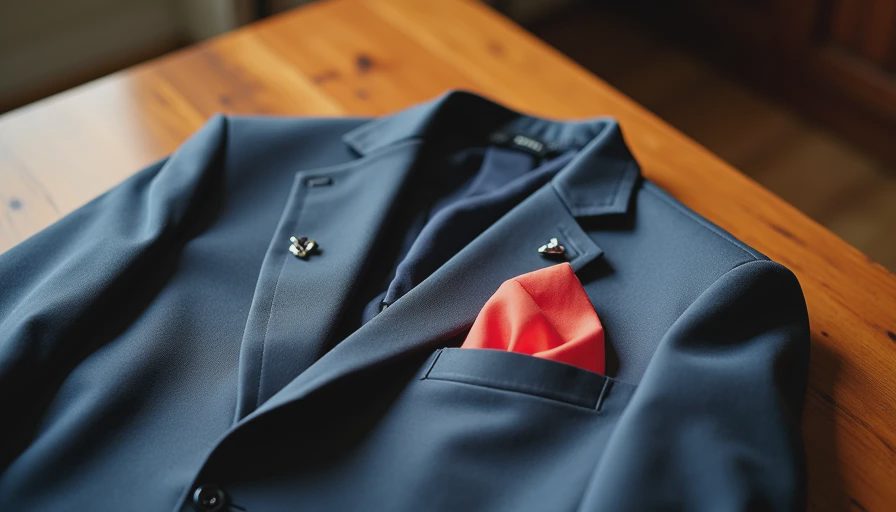
Where men spend too much, and where they spend too little
The biggest waste I see in mens wedding attire is money spent on the wrong thing. A man will pay extra for a trendy color, then skip alterations. He will buy a jacket that turns his shoulders into a bad joke and tell himself it is supposed to fit that way. Then he will stand in church tugging at his sleeves all afternoon. Spend where it shows: fit, fabric, and shoes. Save where nobody cares: fancy lining, loud patterns, and details you will never think about again.
Rental is still a smart move for black tie if you are not going to need the pieces again. If you go that route, get measured early and ask for the jacket to close comfortably without strain. A rental that fits is better than an owned suit that does not. On the other hand, if you already know you will need a good suit for work, church, or future events, buying usually makes more sense. In my experience, most men are happier with one solid navy suit in the closet than with a rental receipt and nothing left behind.
A father came in last spring with three weddings on the calendar and no patience for shopping. We put him in a navy suit, white shirt, and a dark tie, then shortened the sleeves and hemmed the pants. He wore the same suit to two weddings, then to his daughter's awards dinner, and told me later he finally understood why men keep one good suit around. That is the whole game. Get one right, and it does a lot of work.
The short shopping plan that saves the day
If you want mens wedding attire without the usual mess, keep the plan simple. Bring the invitation details with you. Bring the shoes if you already own them. If you do not, decide on the shoes before the hemming gets done. Pick the suit first, then the shirt, then the tie. Stand, sit, walk, and raise your arms a little in the fitting room. If the coat pulls, the collar gaps, or the pants ride up too much when you sit, keep looking.
For most men, a clean navy or charcoal suit, a white shirt, and plain leather shoes will beat a more complicated outfit every time. You do not need a closet full of options. You need one outfit that fits right and photographs well from every angle. That is what the wedding guests will remember, and it is probably all anyone wants from you anyway.
The last rule of mens wedding attire is simple: buy the thing that fits your life, not the thing that looks busy on a hanger. If you are on the fence, start with the classic pieces and make them fit like they were meant for you. Try it on. That's what the fitting room is for.


No comments yet — grab the first one.