A clothing size chart pants search usually starts after a pair arrives too tight at the waist, too long at the hem, or both. I saw that problem every day during 30 years on a men's department floor in St. Louis. A man would bring in a 36-inch pair bought online, then tell me his old 36s fit perfectly. The label was the same. The measurements were not. Use this clothing size chart pants guide as a starting point, then measure the actual garment whenever possible.
Why pants sizes are not consistent
A pants label gives you a general category, not a guarantee. One manufacturer's 36-inch waist can measure 37 inches at the waistband, while another measures closer to 35.5 inches. Stretch fabric complicates things further. A pair with 2 percent elastane can feel comfortable across the seat and waist even when its flat measurement looks smaller than a rigid cotton pair.
The cut matters, too. Straight-leg pants usually leave more room from the hip through the calf. Slim cuts reduce that space without always changing the waist number. Relaxed fits add room in the seat and thigh. If you have strong legs from work, golf, or simply the way you were built, a straight or relaxed cut might fit better than sizing up in a slim pair.
The clothing size chart pants information on a retailer's website is useful, but do not treat it like a ruler for every brand. Look for notes about stretch, fit, and whether the listed waist is a body measurement or the garment's finished measurement.
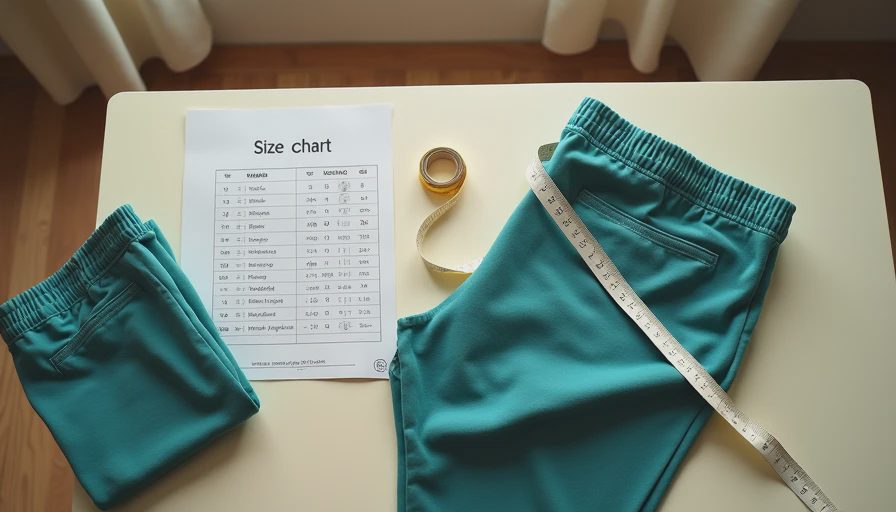
Measure your waist and inseam correctly
You need a flexible tape measure, a pair of pants that fits well, and about three minutes. Measure over a thin shirt or undershirt, not over a sweatshirt. Stand naturally. Pulling your stomach in gives you a number that will be unpleasant by lunchtime.
For your waist, place the tape where the waistband normally sits. Some men wear dress pants at the natural waist, near the navel, while jeans and chinos often sit lower on the hips. Measure the place where you actually wear that type of pants. Keep the tape level and snug without squeezing.
For the inseam, measure from the crotch seam to the bottom of the inside leg on a well-fitting pair. Lay the pants flat and smooth, but do not stretch them. If you measure your body instead, have someone run the tape from the top of the inside leg to the ankle. A 30-inch inseam in one brand can finish differently from a 30-inch inseam in another because the rise and leg opening change the way the pants hang.
Write down both numbers. A result such as 36 waist and 32 inseam is more useful than guessing between large and extra-large. For an online order, the clothing size chart pants table should be compared with those measurements before you look at colors or discounts.
Understand rise, seat, and thigh room
Waist and inseam are only two-thirds of a proper fit. Rise is the distance from the crotch seam to the top of the waistband. A shorter rise sits lower and can feel restrictive when you sit. A longer rise sits higher and gives more coverage through the front and back. Neither is automatically better; the right choice depends on where you wear your pants.
The seat is the area across the backside. If the pockets pull open, horizontal wrinkles run across the seat, or the center seam feels tight, the pants need more room there. Do not solve that problem by buying a larger waist. You may end up with a waistband that requires a belt and still have a poor seat fit.
Thigh room is easy to overlook in a dressing room. Sit down, walk, and place your hands in the pockets. If the fabric strains when you sit, try a roomier cut. A clothing size chart pants listing might call a pair athletic, comfort, classic, or relaxed. Those words are not perfectly standardized, so the actual measurements remain more dependable.
Read a size chart without getting fooled
Retailers usually list pants by waist and inseam, but their charts may also show hip, thigh, leg opening, and rise. Compare at least three of those measurements when buying a new brand. If your waist matches but your thigh measurement does not, the pair may not be comfortable even though the label looks correct.
Pay attention to the chart's language. A chart showing body measurements tells you what your body should measure. A chart showing garment measurements tells you what the finished pants measure. Those numbers will not be identical. A body waist of 36 inches might require pants with a 37-inch finished waistband, depending on the cut and intended ease.
Sizing between numbers is common. If you measure 35 inches, do not automatically order 34 because you prefer a neater waistband. Choose the size that gives you room to sit and bend, then use a tailor for a small adjustment if the rest of the pants fit. Taking in a waistband is usually simpler than adding fabric that is not there.
The clothing size chart pants page is most helpful when you use it to eliminate bad choices, not to promise an exact result. A chart can tell you where to begin. A fitting room tells you what actually works.
Examples from the fitting room
A man in his early 40s once came in for work pants wearing a pair that looked fine standing up. When he sat, the waistband pressed into his stomach and the front pockets opened. He had been buying the same labeled size for years. I put him in a classic cut with a slightly higher rise and a half-inch more room through the seat. He did not look different in the mirror, which was the point. He simply looked comfortable and properly covered.
Another customer measured a 34-inch waist and ordered 34-by-30 pants online. The waist was acceptable, but the hem sat on top of his shoes. His older pair had a fuller break, which made the same inseam appear longer. We compared both garments side by side and found the new pair had a narrower leg and shorter rise. He exchanged them for a 32-inch inseam and stopped blaming the tape measure.
These examples are why a clothing size chart pants guide cannot replace movement. Sit in the pants. Walk ten steps. Check the waistband, pockets, seat, and hem. If the clerk says a different cut would help, ask what measurement changed.
A simple buying checklist
Before ordering, measure your waist where the pants will sit and confirm your inseam from a pair you already wear. Check whether the fabric stretches, then read the chart for rise, thigh, and leg opening if those measurements are provided. Look at the return policy, especially when shipping costs or final-sale rules apply.
When the package arrives, leave the tags attached until you test the fit indoors. Put on the shoes you normally wear with that kind of pants. A dress trouser hem may need a slight break, while casual chinos can sit closer to the shoe. Check that you can place two fingers inside the waistband, sit without pressure, and reach your pockets without pulling the fabric tight.
If the waist is right and the hem is too long, a basic alteration often costs about $12 to $25. If the waist, rise, and seat are all wrong, returning the pants is usually the better use of your money. The clothing size chart pants details help you make that call before the return window closes.
The practical answer
Start with measurements, not the number printed on an old waistband. Compare your waist and inseam with the retailer's chart, then consider rise, seat, thigh, fabric stretch, and cut. A 36-by-32 label is only useful when the garment's proportions match your body and the way you wear it.
I have watched plenty of men spend more time arguing with a size label than trying on the next pair. Do not make the process harder than it is. Bring a pair that fits, ask for the same general cut, and compare the measurements. The clothing size chart pants information gets you close; movement and a sensible return policy finish the job. Try it on. That's what the fitting room is for.



No comments yet — grab the first one.