If you've ever wondered how to measure sleeve length for a dress shirt, you're not alone. In 30 years on the men's floor in St. Louis, I sized thousands of guys — and a lot of them came back because their sleeves were off. Let's fix that with a simple tape measure and two minutes.
How to Measure Sleeve Length on a Shirt You Already Own
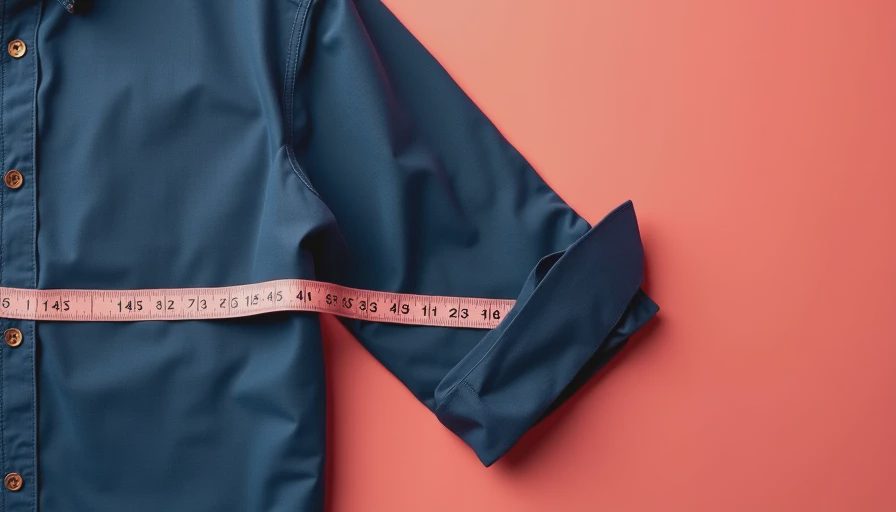
The easiest way is to measure a shirt that fits. Lay it flat on a table, front down. Start the tape at the center of the back collar, run it along the shoulder, down the sleeve, and stop at the end of the cuff. That number is your sleeve length. Most men fall between 32 and 35 inches.
Shirt sleeves are measured from the same point whether you're buying a $25 shirt at Kohl's or a $150 one at Dillard's. Keep the tape flat and follow the curve of the sleeve. Don't pull tight, and don't let it sag. A slim-fit shirt may measure a little differently than an athletic fit, so measure the style you're buying.
How to Measure Sleeve Length on Your Body
If you don't have a well-fitting shirt, measure on your body. Stand up straight with your arm down. Place the tape at your shoulder seam, run it down the outside of your arm past your elbow, and stop at your wrist bone. That's your sleeve length. For a dress shirt, the cuff should land right at the base of your thumb.
Keep your arm relaxed and straight. If you bend your elbow, you'll add an inch or two and end up with sleeves that are too long. Don't wrap the tape around your arm; you want the straight distance. No tape measure? Use a piece of string, mark the spot, and lay it against a ruler.
The Two-Minute Sleeve Check
After you measure, try the shirt on. Raise your arms to shoulder height. The cuff should slide up your forearm about an inch and settle back when you drop your arms. If the cuff disappears under your jacket sleeve, the shirt sleeve is too short. If it bunches up, it's too long. You should be able to button the cuff without it pulling across the back of your hand.
I've seen men return shirts that measured perfectly on the table but felt wrong on their shoulders. Sleeve length is useful, but the armhole, shoulder width, and chest all affect how the sleeve falls. That's why I always said, "Try it on. That's what the fitting room is for."
The Mistake That Causes the Most Returns
Over the years, I've seen more men leave the fitting room with sleeves that are a full inch too long than any other fit problem. The reason is simple: they measure from the back of the neck to the wrist, using the neck as a starting point. That throws the whole number off by an inch or more, because the tape has to travel across the shoulder and down a bent arm. The right way to measure sleeve length starts at the shoulder seam, not the neck. The measurement from the center of the back to the shoulder seam is a separate number, called the yoke width, and it's part of the shirt's fit, but it's not the sleeve length.
If you always keep your arm straight and start from the bone at the top of your shoulder, you'll get a reliable number. And when you're in doubt, trust the shirt you already own over the measurement you take on the fly. Bodies change, but a shirt that fits properly is a better reference than a tape measure in the hands of someone who's not sure what they're doing.
How to Measure Sleeve Length for a Jacket
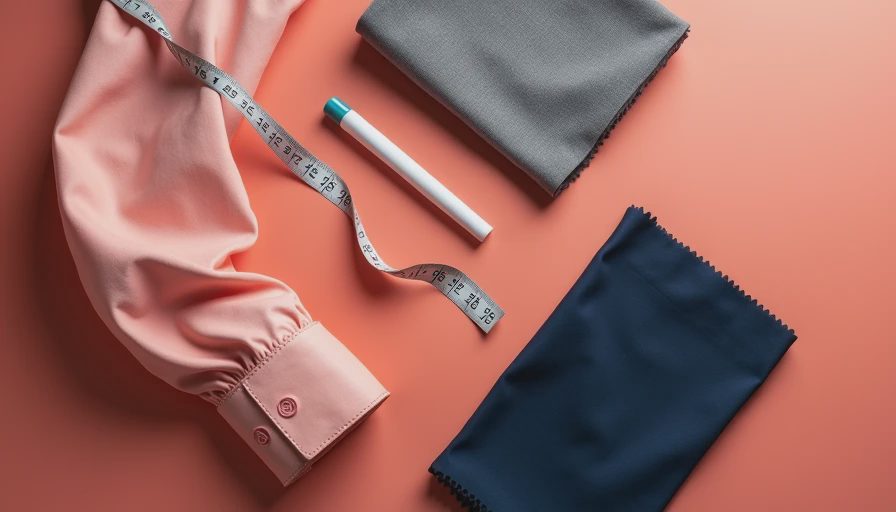
Jackets are a bit different. The shoulder seam still sits on the outer edge of your shoulder, but the jacket sleeve should end a quarter to a half inch above the shirt sleeve. To measure a jacket, lay the tape at the shoulder seam and run it down the outside of the sleeve to the cuff. Measure while wearing the jacket with your arms relaxed.
When men ask me about sleeve length for a suit coat, I tell them the shoulder is where it all starts. If the shoulder is too wide, the sleeves will always look wrong, no matter what the tape says. A tailor can shorten sleeves, but he can't fix a shoulder that hangs halfway down your bicep.
Sleeve Length Cheat Sheet
Ordering online? Measure a shirt that fits, write the number in your phone, and compare it to the size chart for the brand. Just know brands aren't consistent. Van Heusen fits differently than Joseph Abboud, and a slim fit can run half an inch shorter than a classic cut.
For most men, 32 to 34 is standard. Over six feet? You're likely a 34 or 35. Under five-nine? A 31 or 32. Dress shirts list sleeve length after neck size, like "16 1/2 - 34." T-shirts and casual button-downs won't, so the tape is your best friend.
Knowing how to measure sleeve length saves you returns, trips to the tailor, and the embarrassment of a shirt that makes your arms look two inches short. Spend five minutes with a tape measure before your next order, and you'll know exactly what to ask for. And if a sleeve is still half an inch off, bring it back. That's what the return counter is for.



No comments yet — grab the first one.