After thirty years on the men's floor in St. Louis, I've handed more pants to more men than I can count. Most guys buy the wrong size because they never learned to use a pants size chart properly. They grab the same tag number from high school, or they hold the waistband up to their neck and guess. That doesn't work. Let's fix it.
Start With a Tape Measure, Not a Guess
The only reliable way to find your number is to take two measurements: waist and inseam. For the waist, wrap a soft tape around your bare midsection where you plan to wear your pants. For most men that's about an inch below the belly button. Don't suck in and don't let the tape dig in. You want it snug enough to stay up, loose enough to sit after a big dinner.
For the inseam, stand straight with your shoes off and measure from the crotch seam down the inside of your leg to the bottom of your ankle bone. This is where men mess up most. They measure to the floor, then pants drag and puddle. Measure to the ankle bone and you'll have a clean break over your shoe.
Why Your Size Changes From Brand to Brand
Here's the part that drives guys crazy: a 34 waist in one brand is a 36 in another. Vanity sizing is real, and it's been around for decades. A Levi's 501 may fit true to size, while Dockers chinos labeled 34 might sit looser than the same number in a Haggar dress trouser. That doesn't mean the chart is broken. It means a pants size chart is a starting point, not a promise.
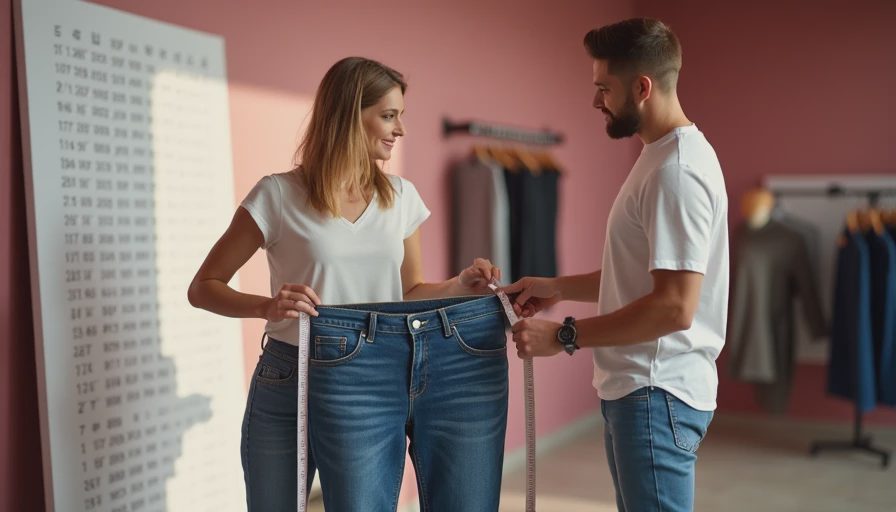
When you shop online, look for the brand's own size chart, not the generic one that lists every product. Brands post their measurements for a reason. Some will list the waist across the waistband; if you see 34-inch actual waist measures 36, the cut runs large.
Also pay attention to the rise. This is the distance from the crotch seam to the top of the waistband. A mid-rise pant sits below the navel. A high-rise sits at or above it. Two pairs can have the same waist number but feel completely different because the rise changes where that waist lands. If you carry your weight lower, a higher rise may feel tight even though the tag says the same size.
The Only Three Numbers That Matter
Forget letter sizing — small, medium, large is a trap. You need three numbers: waist, inseam, rise. If a brand only gives you waist and inseam, check the reviews for the rise. A 32-inch inseam on a tall guy looks flood-zone high; the same inseam on a shorter guy looks like cuffed dress pants. Don't skip it.
Here's what a typical pants size chart will show: a 32 waist pairs with an inseam around 30 to 32 for guys up to 5'10". A 34 waist usually comes with a 32 inseam. A 36 waist often pairs with a 32 or 34. These aren't universal, but they're the industry norm, and they'll keep you from ordering something ridiculous like a 38 waist with a 29 inseam unless that's your body.
How to Read a Pants Size Chart When You're Between Sizes
A lot of men fall between the standard numbers. Your waist might measure 34.5 inches, and the next size up is 36. My rule: buy the size that fits the larger measurement and get the waist taken in. It's always easier to take a waist in than to let it out. A tailor can pull in a waistband an inch or more without it looking weird. They can't add fabric you don't have.
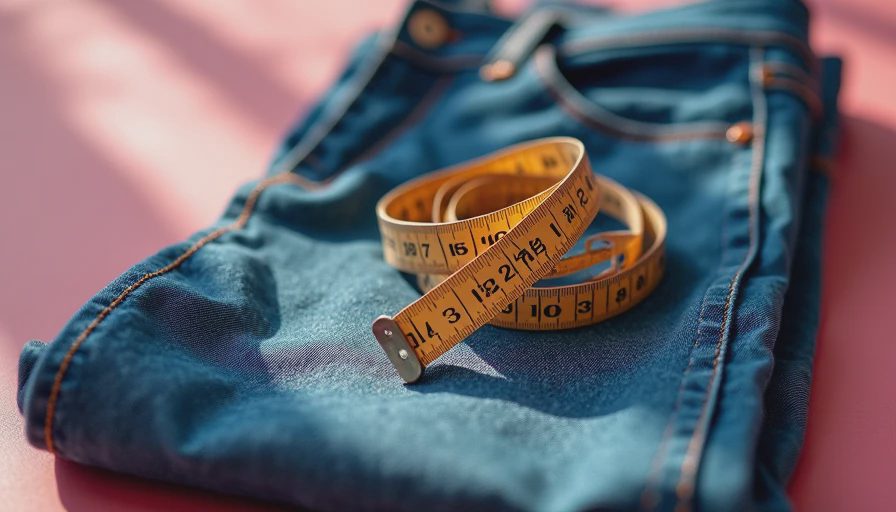
If the inseam is between sizes, size up and get them hemmed. Any dry cleaner can hem pants for ten to fifteen bucks. That's cheaper than return shipping on the wrong size, and it guarantees the break looks right. I can't tell you how many pairs come back because a guy ordered a 30 inseam and they were two inches too short.
Common Mistakes I Saw on the Floor
I've watched grown men try on three pairs of the same size and declare they're all different. They are, but not by much. The real mistakes happen before the fitting room. First, they buy based on the old pair hanging in the closet. Those jeans are stretched and washed a hundred times. They tell you nothing. Second, they buy the waist size they think they should wear, not what they measure. That leads to a belt doing all the work and the fabric pulling at the button.
Third, they ignore the style of the pant. Relaxed fit, straight fit, and athletic fit all measure differently at the thigh, hip, and seat. The waist number can be the same, but a relaxed fit will feel loose in the rear. Even with a pants size chart in front of you, you won't know how the cut feels through the leg. That's why the fitting room matters.
The Fitting Room Test
Here's the test I had every customer do. Button the pants without a belt. You should be able to slide the flat of your hand down the back of the waistband. If you can fit a fist, they're too big. If the button pulls, size up or try a different rise. Then do ten deep squats. If the pants don't bind at the crotch or slide down in the back, you're in good shape. Walk a few steps, sit down, and stand up. That's it.
And remember, the tag number doesn't follow you forever. Your body changes. Your pants should change with it. Try it on. That's what the fitting room is for.



No comments yet — grab the first one.