A man walks into the store with a closet full of shirts and a face that says he has already made three mistakes before lunch. That is where mens business casual outfits start for most people: not with some grand plan, but with one decent shirt, one pair of pants that fit, and shoes that do not fight the rest of the room. I have spent 30 years handing men the right pieces, and the same rule keeps paying rent. Try it on. That's what the fitting room is for.
For mens business casual outfits, the shirt does more work than most men think. A crisp Oxford, a pinpoint, or a soft twill in white, light blue, or a quiet stripe will carry you farther than a loud pattern ever will. If your office runs warm, pick cotton with a little wrinkle resistance. If it runs cold, a heavier 4.5 to 6 ounce fabric feels better and hangs cleaner. I have watched men spend $80 on a shirt that looked cheap because the collar collapsed by noon, then buy a $45 shirt that looked sharp all day because the fit was right through the shoulders and neck. That is the sort of bargain nobody prints on a tag.
The collar should lie flat. The cuff should hit the wrist bone, not the palm. If the shirt pulls at the buttons, go up a size or find a trimmer cut with a little room in the chest. A man does not need ten shirts. He needs three that he can wear with confidence and wash without drama.
Pants and shoes carry the load
Chinos are the workhorse here, and I mean the plain ones, not the shiny cargo pants pretending to be office wear. Dockers, Haggar, and the store brands in most department stores usually cover the bases without emptying a wallet. Look for a flat front or a very light pleat, a medium rise, and a leg that falls straight from the seat. Too much taper makes a grown man look like he borrowed his nephew's pants. Too much room makes the whole outfit feel sleepy.
Color matters less than men think. Khaki, navy, olive, gray, and brown all behave well. If you want a safe rotation, buy one pair of navy chinos and one pair of gray or tan. That gives you more mileage than one expensive novelty pant that hangs in the closet because nobody can explain when to wear it.
Shoes finish the sentence. Leather oxfords, derbys, loafers, and clean Chelsea boots all work if the leather is not ruined and the sole is not wearing down at the heel. Brown shoes are easier with most business casual clothes, but black is fine with navy and gray. Match your belt to the shoe color and do not overthink it. Men talk themselves into trouble when they spend more time on the watch than the waistband.
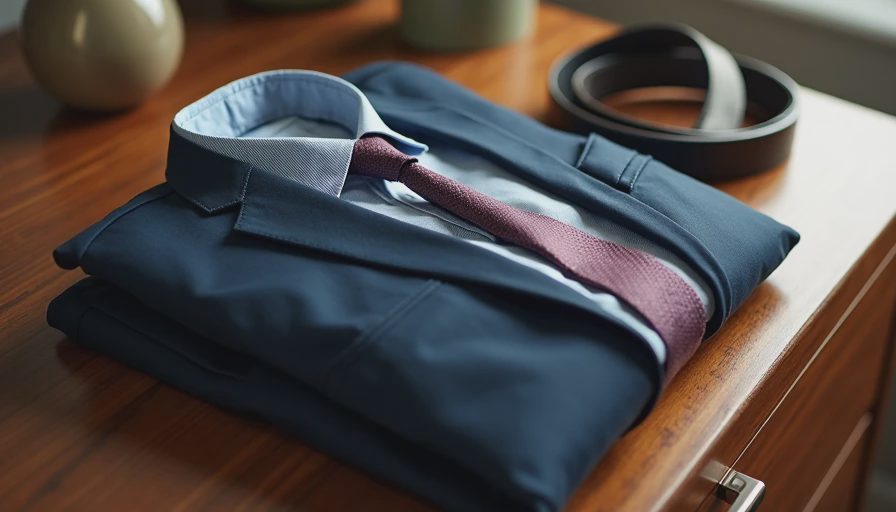
Add a jacket or sweater when the room calls for it
When mens business casual outfits need a little backbone, the jacket does not have to be a full suit coat. A navy sport coat, a gray unstructured blazer, or even a sweater over a collared shirt will clean up an outfit fast. The point is not to look formal. The point is to look like you meant to be there.
I have seen men who never wore jackets buy one because the meeting or dinner called for it, and they came back surprised at how easy it was. A navy wool blazer over gray chinos and a blue shirt is hard to ruin. A brown sport coat with tan pants works too, as long as the shades are different enough that the whole thing does not blur together. In colder months, a merino crewneck or cardigan in charcoal, navy, or camel gives you another layer without making you look like you raided a golf shop.
If you sweat easily, keep the jacket simple and unlined. If you sit all day, avoid stiff shoulders that bunch up when you lean forward. The fit should let you move your arms without the back pulling open like a tent in a windstorm.
Three combinations that solve most weekday problems
A man does not need a closet the size of a showroom. He needs a few combinations that work on Tuesday, Thursday, and the odd dinner where somebody says, "No jeans." Start with a blue Oxford shirt, navy chinos, and brown loafers. That one handles an office, a lunch meeting, or a church event without any fuss. Swap the loafers for derbys and add a sport coat if the room is more serious.
The second combination is a white shirt, gray chinos, and dark brown shoes. It is plain, and that is the point. Plain usually looks expensive when the fit is right. The third is a light blue shirt under a navy sweater with tan pants. That one works well in fall and winter, especially when you do not want a jacket but still need more than a polo shirt.
For mens business casual outfits, these combinations are useful because they do not depend on luck. They depend on standard colors, decent fabric, and a man being honest about his size.
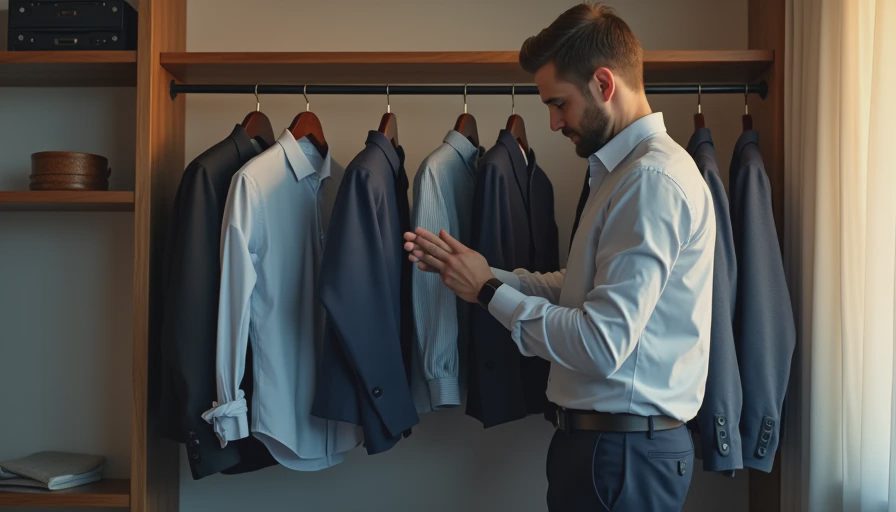
Fit mistakes I fix in the dressing room
Most mens business casual outfits look wrong because the fit is off, not because the clothes are bad. Shoulder seams should end at the edge of the shoulder, not halfway down the arm or perched up near the neck. If a jacket swallows you, nobody notices the price tag. They notice the shape. Shirts should skim the body, not cling to it. If the front pulls when you sit, that shirt is too small or cut for somebody else.
Pants are no different. The hem should brush the top of the shoe with a small break, not pile up in a puddle around the ankle. If you are shorter, a cleaner hem keeps the leg line straight. If you are tall, make sure the cuff is long enough that the pants do not look like they took the day off.
A lot of men buy a size up because the room feels easier in the mirror for five seconds. Then they wear the thing for eight hours and spend the day adjusting it. Try the smaller size, then the larger one, and let the fitting room settle the argument.
What I tell men at the register
If you are starting from nothing, buy the shirt first, then the pants, then the shoes. That order keeps you from spending money on the wrong end of the outfit. I would rather see a man in one excellent shirt and one solid pair of chinos than three average pieces that argue with each other every time he opens the closet. The old department store trick still works: put the outfit on, walk ten steps, sit down, and reach for your wallet. If it feels wrong there, it will feel wrong at work.
Mens business casual outfits are not complicated once you stop trying to impress the mirror. Keep the colors steady, keep the fit honest, and buy pieces you can wear more than once a week. If you want the short version from a man who has returned more wrong sizes than he can count, try it on. That's what the fitting room is for.



No comments yet — grab the first one.