Office casual attire male is one of those phrases people hear once and then spend three lunch breaks overthinking. In my store, the men who did best treated it like a uniform with a little room in it: clean chinos or wool trousers, a collared shirt, and shoes that were meant for walking into a meeting, not a gym. The men who got into trouble tried to make one pair of jeans do all the work or bought a shirt two sizes too big because they thought loose looked relaxed. It usually looked sloppy. Buy the basics, get the shoulders right, and keep the colors simple. Try it on. That's what the fitting room is for.
How office casual attire male really works in the fitting room
For office casual attire male, the job is to look ready without looking like you spent the morning arguing with a mirror. The easiest way to do that is to start with the room you work in. If the office leans relaxed, a good polo and pressed chinos get you there. If the managers wear jackets, you might want to keep one on hand. I have seen plenty of men try to skip straight to the nice part and buy a jacket before they own a decent pair of tan pants. That is backward. The jacket only helps when the shirt and trousers already do their job.
A customer came in one spring with three pairs of pants he hated. They were all too long, one was too tight in the seat, and one was made from fabric so thin it wrinkled just sitting in the car. We replaced all three with one pair of midweight cotton chinos and one pair of wool-blend trousers. Suddenly the shirts worked, the shoes looked right, and he stopped tugging at his waistband every ten minutes. That is the whole game. Fit first, then everything else.
Start with the pieces that get worn twice a week
If you are building office casual attire male from scratch, do not buy the odd-looking piece first. Buy the things you can wear on Monday and again on Thursday without anybody noticing. A navy pair of chinos, a gray pair of trousers, two button-down shirts in white and light blue, and one knit polo will carry most weeks. Add a navy sport coat later if the office wants a little more polish.
The fabric matters more than the label. Chinos around 7 to 8 ounces hold shape better than the flimsy pairs that look good on a hanger and bag out by lunch. A cotton shirt with enough body in the collar sits better under a jacket than the soft, limp ones that collapse after one wash. If you are shopping in the department store middle, good pants usually live around $40 to $80, and a serviceable shirt runs $30 to $60. You do not need to spend luxury money to look like you paid attention.
Shoes, belts, and other little things that are not little
Men like to ignore shoes until the rest of the outfit starts failing them. Then they wonder why the whole thing looks off. Brown leather loafers, plain lace-ups, or simple derby shoes cover most offices. If the building is more casual, clean leather slip-ons can work too. What usually does not help is a chunky sneaker that belongs at the gas station. That may be comfortable, but comfort is not the same as appropriate.
Keep the belt close in color to the shoe and about one and a quarter inches wide. Wider belts look like they are trying to hold up a truck. The socks can match the trousers or the shoes; either way, they should disappear. If you wear a watch, keep it simple. Nobody in accounting is waiting to be dazzled by a dial the size of a saucer.

When the weather changes, the outfit needs to change too
Office casual attire male gets tricky in July and January, because the building thermostat is usually run by somebody in another zip code. In hot weather, a knit polo or a breathable cotton shirt in a lighter color saves you from looking wilted before lunch. In cold weather, a merino sweater over a button-down works well and does not add bulk the way a thick fleece does. If your office keeps the heat low, a lightweight wool sport coat earns its rack space fast.
I had one regular who worked in a downtown office tower and complained every winter that his jackets felt too stiff. The fix was not a bigger jacket. It was a softer, unstructured sport coat with a little room in the shoulders and a shirt that did not fight back. He went from tugging at his sleeves to leaving the building with his hands in his pockets like a man who had been dressed on purpose. That is worth something.
The fitting-room test that saves you from returns
This is where office casual attire male pays off, because the fitting room tells the truth faster than any salesman does. Stand with your arms down and check the shoulder seams. They should land at the edge of your shoulders, not halfway down the arm and not perched on top like a bad handshake. When you button the shirt, you ought to fit two fingers at the collar. If you cannot, the neck is too tight. If you can fit a fist, it is too loose.
On pants, sit down before you buy them. If the waist digs in when you sit, it will dig in at work too. If the rise is too low, you will be pulling them up all day. The hem should break once on the shoe for most offices; no need to puddle cloth on the floor. I have watched more men return pants because the seat pulled or the thigh pinched than for any other reason. The fitting room catches that in ten seconds. Try it on. That's what the fitting room is for.

When a blazer is enough and when it is not
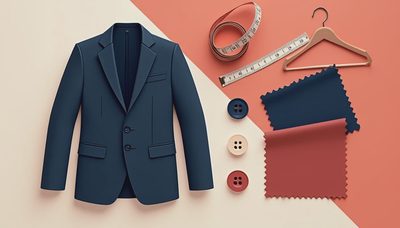
Some offices ask for more than the basic shirt-and-pants formula. That is where one navy blazer earns its keep. Put it over a white shirt and gray trousers and you can handle a client meeting, a presentation, or a dinner after work without looking overdressed. If the office is truly casual, you may never wear it every week, but when you need it, you need it fast.
Do not buy the jacket first unless you already know the rest of the wardrobe works. Too many men spend $150 to $300 on a blazer and then wear it with pants that do not match or a shirt collar that collapses under the lapels. I would rather see a man own two good pairs of pants, three shirts, and one dependable jacket than a closet full of pieces that argue with each other. That is the whole logic behind office casual attire male: a small set of clothes that can be mixed without drama.
If you want the shortest path, start with navy, gray, white, light blue, and brown shoes. That will handle most offices in this country without a lot of debate. Keep the fit honest, keep the fabric decent, and do not buy a size because it feels forgiving on the hanger. If you need more room, ask for it. If you need a different length, take it to alterations. A $12 hem is cheaper than a closet full of pants you never wear.
If you are standing in front of a rack at Macy's, Kohl's, or Dillard's and wondering where to begin, begin there. Pick the pants first, then the shirt, then the shoes, then the jacket if you really need one. The order matters. So does the mirror. And if you are still unsure after that, remember the line I have used for thirty years: try it on. That's what the fitting room is for.

No comments yet — grab the first one.