If you searched for shirts mens shirts, you probably want a straightforward answer: which shirts are worth buying, how should they fit, and how many do you actually need? I spent 30 years on a department-store men's floor in St. Louis, and I can tell you that most shirt problems are not mysterious. The collar is wrong, the sleeves are short, or the customer bought a size based on the tag instead of his own measurements.
A good shirt does not need a loud pattern or an impressive label. It needs to fit at the shoulders, sit properly at the neck, and survive repeated washing without turning into a tired rag. That is the standard I used with thousands of customers, from teenagers buying their first interview shirt to grandfathers replacing a closet full of worn-out button-downs.
Start with the fit, not the label
When someone asked me about shirts mens shirts, I started at the shoulder seam. That seam should land where the shoulder ends, not halfway down the upper arm and not several inches inward. If the seam drops too far, the whole shirt looks borrowed. If it pulls toward the neck, you are dealing with a shirt that is too small, even if the buttons still close.
Next comes the chest. Button the shirt and look for pulling between the buttons. A little movement is fine; a gap that opens when you sit down is not. The fabric should follow your torso without clinging to it. Men with broad chests often need a classic or regular cut rather than a slim cut. There is no prize for squeezing into a smaller silhouette.
The cuff should reach the wrist bone. With a dress shirt, about half an inch of cuff can show beyond a jacket sleeve. A casual shirt can sit in the same area, though you have more room for preference. Raise both arms, sit down, and reach forward. If the shirt rides halfway up your forearm, the sleeves are short.
Choosing collars and fabrics that earn their space
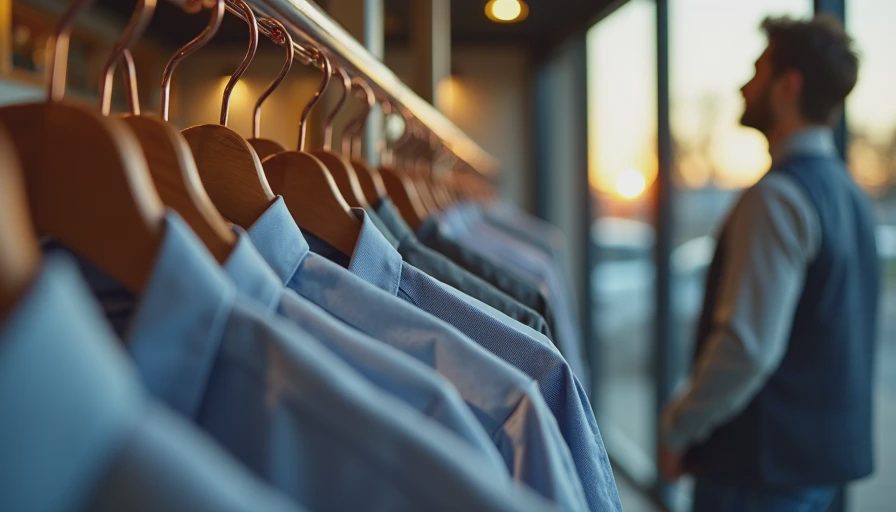
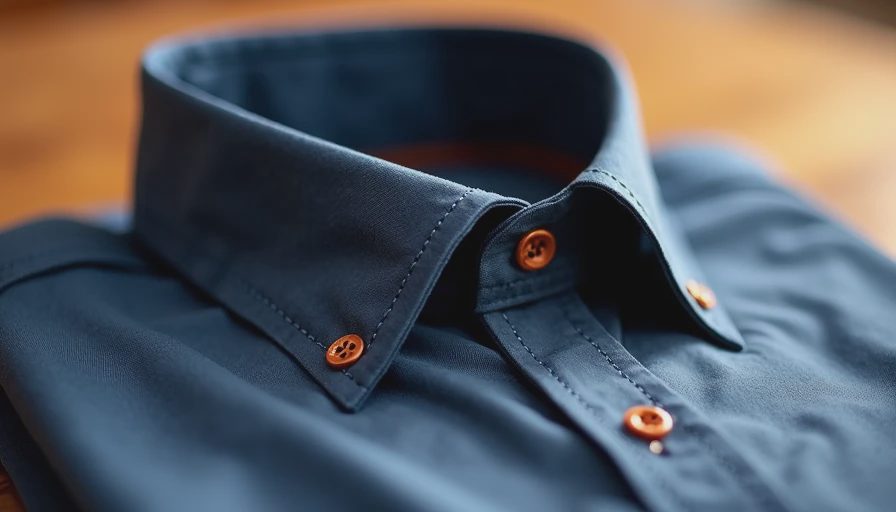
The collar changes how useful a shirt will be. A spread collar works well with a tie and also looks clean under a sport coat. A button-down collar is more relaxed and handles jeans, chinos, or khakis without looking out of place. A point collar creates a narrower opening and can be helpful for a longer face. You do not need all three, but owning two different collar shapes gives your closet more range.
For everyday shirts mens shirts, cotton remains the safest starting point. Oxford cloth has a visible basket weave, a little weight, and enough durability for regular wear. Poplin is smoother and lighter, making it comfortable in warm weather but less forgiving of wrinkles. A cotton blend can be practical for travel because it dries faster and resists creasing. I would rather see a man buy two sturdy cotton shirts than four thin shirts that lose their shape after a few washes.
Look at the fabric in your hand. Hold it toward a store light and check whether it seems nearly transparent. Thin fabric is not automatically bad, especially for summer, but a shirt that shows every undershirt seam is not a dependable work option. Examine the buttons, too. They should be sewn firmly, with no loose threads around the placket or cuffs.
The shirts worth keeping in rotation
A useful starting closet includes a white or light-blue dress shirt, a blue or white Oxford shirt, and one patterned shirt in a restrained check or stripe. That combination covers office days, dinners, family events, and most occasions where someone says, “You might want to look presentable.” Add a chambray shirt for casual wear and a heavier flannel for cold months if those fabrics suit your routine.
When customers asked me about shirts mens shirts for work, I usually steered them away from extreme details. Giant logos, oversized contrast stitching, and very glossy fabric narrow the number of places you can wear the shirt. A medium-scale check or quiet stripe will work with navy trousers, gray slacks, khakis, and dark denim. You get more use from the same purchase.
Do not buy five shirts at once before testing one. Wash the first shirt according to its care label, dry it the way you normally dry clothes, and check the collar and sleeve length afterward. Some shirts shrink enough to change the fit. If one works, then buy another color or pattern from the same cut.
How to shop without wasting a Saturday
Department stores make the process easier when you use the fitting room instead of guessing from the hanger. Take your usual size, one size up, and one size down if the cut seems unusual. Bring the trousers you expect to wear with the shirt. A shirt that looks fine over athletic shorts can seem too short over jeans or dress trousers.
Try sitting down. Check the collar gap, the chest buttons, and the shirt tail. For a shirt worn untucked, the tail should not hang dramatically below the seat, and the side seams should not flare outward. For a tucked shirt, make sure there is enough length to stay put when you bend over. This is where shirts mens shirts either prove useful or become closet clutter.
Compare the shirt under ordinary store lighting, not only in a mirror from six feet away. Turn sideways. Raise your arms. Look at the back across the shoulder blades. I have seen men approve a shirt from the front, then discover a tight horizontal wrinkle across the back. Try it on. That's what the fitting room is for.
Price, care, and the return test
You can usually find a dependable department-store shirt in the $30 to $80 range, with sale pricing often lowering the cost. Paying more can make sense for stronger fabric, better stitching, or a cut that fits you unusually well. Paying more simply for a familiar logo is not a reason by itself. Inspect the garment in your hands before deciding.
Care determines whether shirts mens shirts remain useful. Wash cotton shirts in cool or warm water according to the label, avoid overloading the machine, and remove them promptly. Hang them while damp to reduce wrinkles. If you use a dryer, do not leave the shirt tumbling long after it is dry. High heat is hard on cotton and can turn a good sleeve into a short sleeve over time.
Keep receipts until you have washed and worn the shirt once. Check for collar twisting, uneven cuffs, loose buttons, and shrinking. A shirt that fails that test belongs back at the store, not in the back of your closet. Return policies differ, so review the receipt before removing tags.
A simple buying plan for real life
If your closet is nearly empty, start with one white dress shirt, one light-blue dress shirt, two Oxford shirts, and one casual patterned shirt. Choose cuts that share the same neck and sleeve measurements so replacing a worn garment is easy. If you work in an office four days a week, six to eight dependable shirts will give you enough rotation without filling every drawer.
For shirts mens shirts shoppers on a budget, buy the best-fitting basics first and wait on unusual colors. A navy micro-check can be more useful than a bright novelty print. Watch for sales at Macy's, Kohl's, Dillard's, and similar stores, but judge the shirt by construction rather than the red sticker. A $25 shirt worn twice is more expensive in practice than a $55 shirt worn for three years.
The answer is not to own a mountain of shirts. It is to own the right few, in fabrics you can maintain and cuts you can wear comfortably. Start with the shoulder seam, confirm the collar, move your arms, and wash one before buying multiples. That is how shirts mens shirts become a practical wardrobe instead of another shopping problem.



No comments yet — grab the first one.