A white dress shirt is the most useful piece of clothing in a man's closet, provided it fits properly and is not made from tissue paper. I spent 30 years on a department store men's floor in St. Louis, and I watched thousands of men buy the wrong size, remove the tags at home, then bring the shirt back because the sleeves swallowed their hands. The answer is not complicated. Get the neck, shoulders, sleeves, and fabric right, and one shirt can cover a job interview, funeral, wedding, Sunday service, or dinner reservation.
Start with the fit, not the label
A white dress shirt should sit cleanly at the neck without making you feel like you are being strangled. Button the collar and slide one finger between the fabric and your neck. Two fingers usually mean the collar is too loose, especially under a tie. The shoulder seam should end where your shoulder ends. If it hangs down the upper arm, the shirt is too large, regardless of what the tag says.
The chest should allow you to move your arms without pulling the buttons open, but you do not need enough extra cloth to hide a bowling ball. Check the back when you raise both arms. A little movement is necessary; a large tent of fabric is not. A white dress shirt with a slightly tapered cut often looks neater on an average or trim build, while a classic cut gives a broader man room through the middle. Do not confuse a slim cut with a smaller size. Those are different things.
Sleeve length is where many otherwise good purchases go bad. With your arms at your sides, the cuff should reach the wrist bone. Under a jacket, about half an inch of cuff should show. If the cuff covers your hand, the shirt is too long in the sleeve. If it stops above the wrist, no amount of wishful thinking will fix it.
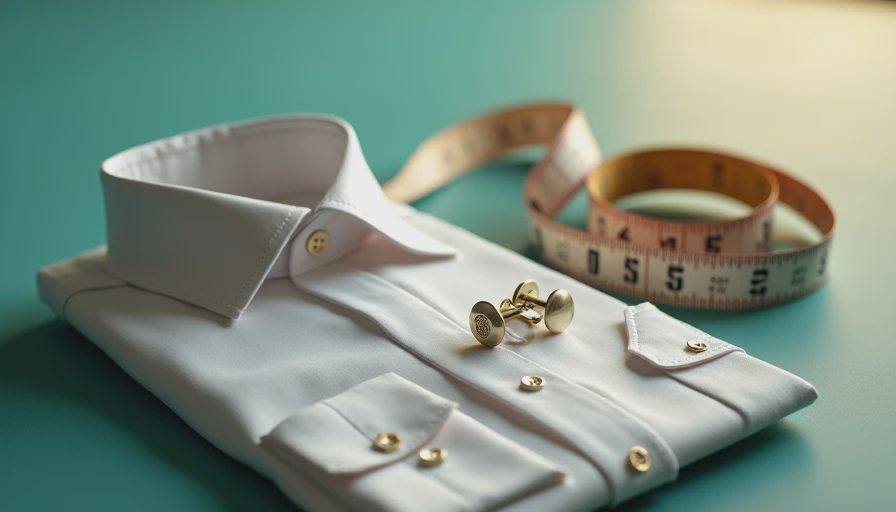
Pick the fabric according to the job
For most men, cotton poplin is the safest starting point. It is smooth, light, and easy to wear beneath a suit jacket. Broadcloth has a similar clean appearance and works well in an office or at a formal event. Oxford cloth is heavier and more textured. It can work under a sport coat, but it usually looks too casual for a black-tie setting or a conservative funeral.
The label matters less than the feel in your hand. Hold the shirt up to a light. If it is nearly transparent, it will show every undershirt line and wrinkle before lunch. A midweight fabric generally hangs better and survives repeated washing. Look for a collar that keeps its shape, straight seams, and buttons sewn tightly enough that you cannot spin them with one finger.
Non-iron shirts can be useful for travel and long workdays. They are treated to resist wrinkles, not magically immune to them. Take the shirt from the dryer while it is still slightly damp, shake it out, and hang it immediately. That saves more time than standing over a wrinkled shirt with an iron at 6:30 in the morning.
Choose the collar and cuffs with a purpose
A point collar is narrow and dependable. It looks good on a man with a longer face and works naturally with a modest tie knot. A spread collar puts more space between the points and balances a rounder or wider face. It also works well with a fuller knot. If you rarely wear a tie, a button-down collar is practical, though it reads more relaxed than a traditional point or spread collar.
French cuffs are not automatically more elegant. They require cuff links and make more sense for a wedding, formal dinner, or tuxedo-adjacent event. Barrel cuffs are easier for ordinary work and travel. A two-button cuff gives you a small adjustment in fit; use the tighter button unless your wrist needs the extra room. When a man tells me he wants one white dress shirt for everything, I generally point him toward a medium spread collar and simple barrel cuffs.
The front placket should lie flat. A hidden-placket shirt can look dressier, but it is less forgiving when the fabric shifts. For daily use, ordinary buttons are easier to replace and less fussy.
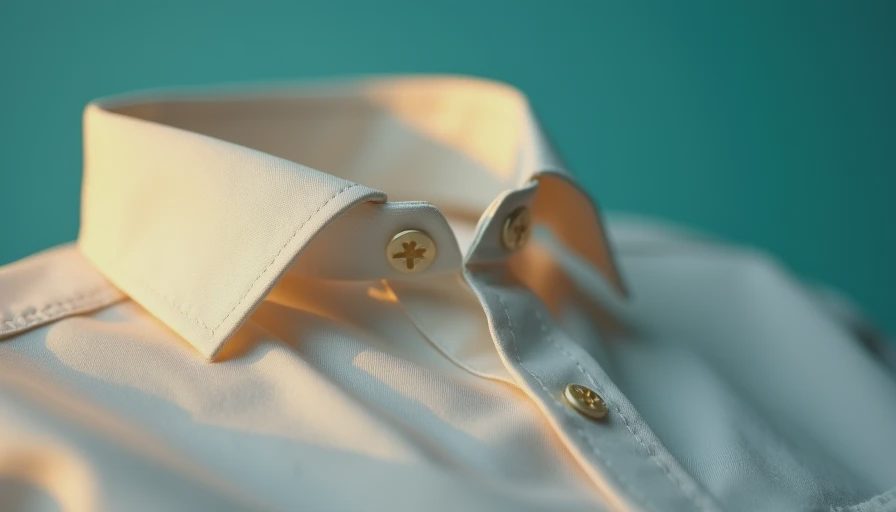
Match the shirt to the occasion
A white dress shirt under a navy suit is nearly impossible to get wrong when the fit is right. Add a conservative tie for an interview, client meeting, or ceremony. With gray trousers and a navy blazer, the same shirt becomes appropriate for a graduation, dinner, or business-casual office. With khakis, it works for a church service or a daytime family gathering, though you might want a textured jacket to keep the outfit from looking unfinished.
For a funeral, choose a clean white shirt, dark suit, restrained tie, and polished shoes. This is not the moment for contrast stitching, a shiny finish, or a loud collar. For a wedding, follow the invitation and the groom's level of formality. A crisp shirt is useful, but it should not compete with the person getting married.
If the event is casual, do not force a dress shirt into the outfit just because it is white. A white oxford shirt with sleeves rolled neatly can look more natural than a glossy poplin shirt worn with faded jeans. The garment needs to suit the room, not merely match the color of the wall.
What to spend and what to inspect
In a department store, you can find a serviceable white dress shirt around $25 to $45 during regular promotions. The $50 to $90 range often brings better fabric, stronger collar construction, and more dependable sizing. Spending $120 does not guarantee a better shirt. Sometimes it buys a label and a box. I have handled excellent $60 shirts and disappointing $150 shirts, which is why I inspect the garment instead of admiring the price tag.
Look at the side seams. They should run straight without twisting. Check the collar points for puckering and the cuffs for loose threads. Turn the shirt inside out and examine the armhole stitching. If the thread is already pulling on a new garment, washing will not improve the situation.
Buy the size that fits your shoulders and neck first. Sleeve shortening is a straightforward alteration, often costing about $15 to $25. Taking in the torso can also be done by a tailor. Expanding a shirt that is too tight is harder and sometimes impossible because there is not enough extra cloth in the seams.
Washing and replacing your shirts
A white dress shirt earns its keep when you maintain it. Pretreat the collar and cuffs before washing, especially if you use hair product or sunscreen. Follow the care label, use a normal detergent, and avoid overloading the washer. Chlorine bleach can weaken fibers and create yellowing over time, so oxygen-based whitening products are usually a gentler choice.
Do not leave a damp shirt in the washer overnight. Hang it on a proper hanger with the collar open, then button the top button so the shape settles correctly. Replace the shirt when the collar remains gray after washing, the cuffs are frayed, or the fabric has become thin enough to show the undershirt clearly.
Most men who wear a white dress shirt regularly need at least two. Three is better: one in the wash, one ready for work, and one reserved for occasions where you need to look especially put together. Keep the best one for interviews, weddings, and formal appointments rather than wearing it into the ground at the office.
The fitting room is where this purchase gets decided. Bring the jacket you plan to wear, button the collar, raise your arms, and sit down. Look at the sleeves and the buttons, not just the mirror from the waist up. Try it on. That's what the fitting room is for.





No comments yet — grab the first one.