Casual dress for men over 50 does not require a closet full of expensive clothes or a willingness to dress like somebody half your age. It requires decent fit, useful fabrics, and a few combinations that work when you are going to dinner, a ballgame, church, the hardware store, or your grandson's birthday party. I spent 30 years on a department-store men's floor, and I can tell you what men actually bought, wore, and returned.
The most common mistake is buying clothes that are either too loose because comfort sounds appealing or too tight because the label says the same size it did ten years ago. Neither one helps. A shirt can feel comfortable and still hang like a tent. A pair of pants can fit at the waist and still pull across the seat. Try it on. That's what the fitting room is for.
Start with fit, not the clothing label
For casual dress for men over 50, the shoulder seam is the first place I check on a shirt, polo, overshirt, or casual jacket. It should sit near the end of your shoulder, not halfway down your upper arm. If the seam is wrong, tailoring usually cannot rescue the garment economically.
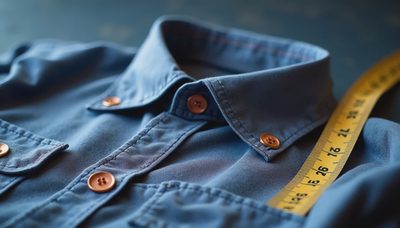
The sleeve should reach the wrist bone when your arm hangs naturally. A short sleeve makes a shirt look borrowed, while a sleeve covering part of your hand makes it look oversized. Around the middle, the fabric should skim your body without outlining every meal. You want room to sit, drive, and reach for a golf club, but not enough cloth to hide a small sedan.
Pants deserve the same attention. The waistband should sit securely without requiring a belt to do all the work. Straight-leg or gently tapered chinos usually look cleaner than very wide legs, and a small break at the shoe is easier to live with than a stack of fabric around the ankle. If your size has changed, buy the size that fits now. The old number on the tag is not a family heirloom.
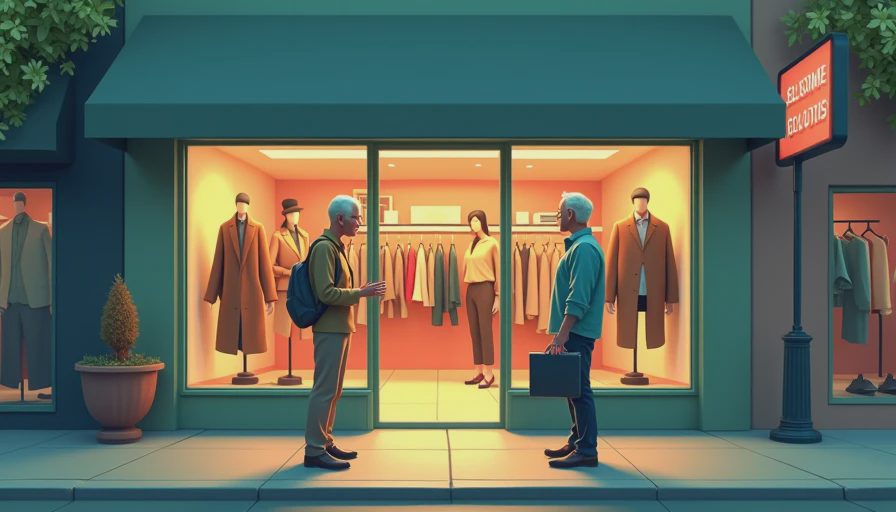
Build casual dress for men over 50 around dependable basics
A practical closet starts with two pairs of chinos, one dark pair of jeans, three or four solid polo shirts, two oxford-cloth button-down shirts, and a lightweight layer. Navy, khaki, gray, olive, and medium denim give you plenty of combinations without making the closet look like a paint store.
Look for cotton, cotton blends, and modest amounts of stretch. A little elastane in chinos can make sitting through a long lunch more pleasant, but excessive stretch often gives pants a shiny, tired appearance after repeated wear. For shirts, medium-weight cotton around the feel of a regular oxford or pique polo tends to hold its shape better than paper-thin fabric.
At stores such as Macy's, Kohl's, Dillard's, and department-store outlets, you can often find useful polos from brands such as Lands' End, Izod, Van Heusen, and Ralph Lauren during sales. I am not telling you to buy a label. Put your hand on the fabric, inspect the seams, and check whether the collar lies flat after you button it. A $35 shirt that survives three summers beats a $90 shirt that spends six months on a hanger because it feels fussy.
Three outfits that handle real life
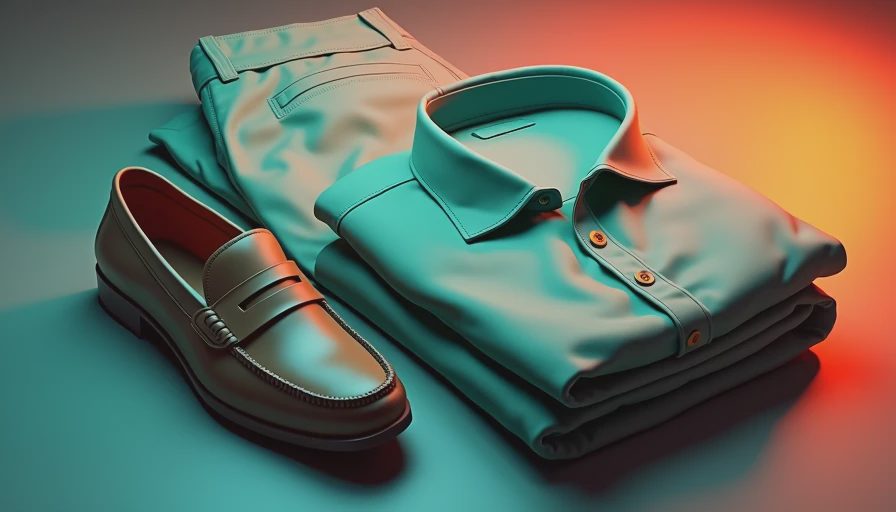
For a casual dinner, try dark jeans, a light blue oxford shirt, and brown leather loafers or plain lace-up shoes. Leave the top button open. The shirt can be tucked if the restaurant is nicer or left untucked if the hem is cut for it. Do not use a shirt designed to be tucked as an untucked shirt; the extra length will announce the mistake every time you sit down.
For Saturday errands, wear chinos with a solid polo and a cotton overshirt or unstructured jacket. This is where casual dress for men over 50 earns its keep. The overshirt adds shape without making you look like you are headed to a board meeting. In cooler weather, a merino crewneck over the oxford creates a simple combination that works with jeans or chinos.
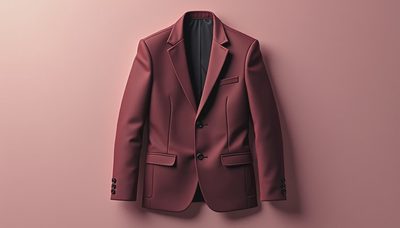
For a family gathering, dark chinos, a patterned button-down, and a navy casual jacket are hard to beat. The pattern should be modest: a small check, narrow stripe, or restrained windowpane. A jacket should fit across the shoulders first. Sleeves can be shortened, but shoulders that are two inches too wide will make you look as if you borrowed it from an uncle.
Color and layers without overthinking it
You do not need a seasonal color plan. Start with one dark neutral, one light neutral, and one muted color. Navy pants with a white, blue, or pale green shirt are reliable. Gray chinos work with burgundy, blue, cream, and olive. Khaki pants pair easily with navy, denim, rust, and medium gray.
Layers should serve a purpose. A cardigan works in a chilly restaurant. A quilted vest helps on a fall morning. A cotton jacket handles wind better than a thin shirt. Avoid piling on several bulky pieces, especially if you already carry a little extra weight in the middle. One substantial layer looks neater than three thin layers fighting for room.
Shoes finish the outfit more than men realize. Clean leather loafers, brown lace-ups, desert boots, and simple canvas or leather casual shoes cover most everyday situations. The pair does not need to be new, but it needs to be maintained. Worn-down heels and salt-stained leather can spoil otherwise sensible casual dress for men over 50.
What to buy and what to leave on the rack
Skip novelty graphics, extreme distressing, shiny synthetic fabric, and anything that announces a slogan from across the parking lot. Those pieces are difficult to combine and tend to look tired quickly. A small logo on a polo is not a crisis; a shirt covered with oversized branding is usually a short-lived purchase.
Be careful with very low-rise pants, extra-long untucked shirts, and jackets with narrow, tight armholes. These cuts often create problems when you sit or move. Also inspect pockets. If a front pocket gapes when you stand naturally, the garment is telling you it is too tight or poorly shaped.
Before buying, perform three tests. Sit down and see whether the waistband digs in. Raise both arms to check the shirt hem and shoulder movement. Look in a three-way mirror, if available, because the back view catches collar gaps, pulling, and excess fabric. Department-store lighting is not kind, but it is honest.
A simple shopping plan for the next month
Buy one pair of pants first and have it fit properly. Then add two shirts that work with those pants. After that, choose one layer and one pair of shoes. This order prevents the familiar closet problem of owning six shirts and nothing that looks right below the waist.
If you need alterations, prioritize trouser length, shirt sleeves, and jacket sleeves. A local tailor or the alterations counter can often handle those jobs for roughly $15 to $40 each, depending on the garment and location. Do not spend $60 altering a $25 pair of pants unless the fabric and construction are unusually good.
The best casual dress for men over 50 is clothing that lets you forget about clothing once you leave the house. You should be able to sit through dinner, bend over to pick up a toy, or walk into a meeting without adjusting every seam. Start with fit, choose honest fabrics, keep the colors quiet, and buy fewer pieces that work harder. Try it on. That's what the fitting room is for.



No comments yet — grab the first one.