A good dress shirt should feel comfortable when you sit, reach, and shake hands, but it should not look like a tent when your arms are at your sides. This dress shirt fit guide comes from 30 years on a department-store men's floor, where I have watched thousands of men buy the wrong size, wear it once, and bring it back. The fix is usually simple: pay attention to the collar, shoulders, sleeves, chest, and shirt length in that order.
Start with the collar and shoulders
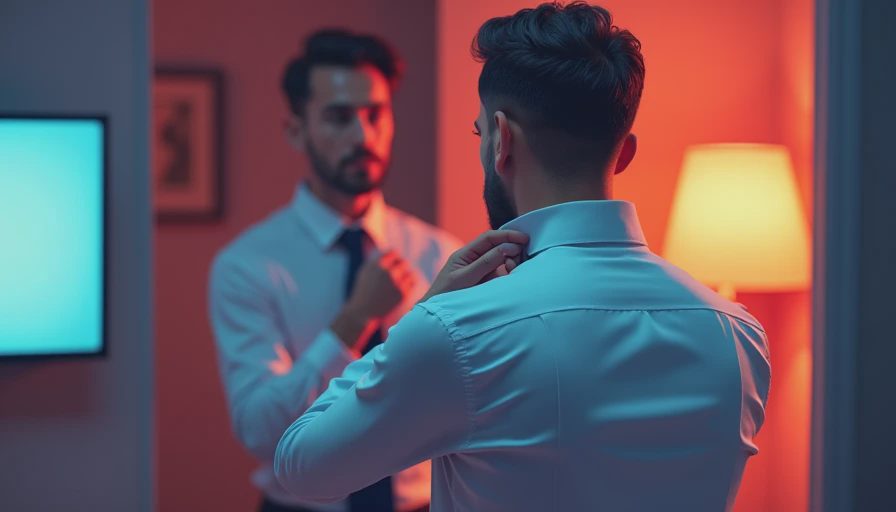
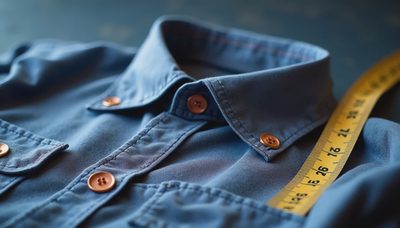
The collar is the first place to check because it tells you whether the basic size is close. Button the top button and slide one finger between your neck and the collar. One finger should fit comfortably. If you cannot breathe or turn your head, the shirt is too small. If you can fit two or three fingers in the space, the collar is too large and the shirt will look loose under a tie.
Do not buy a shirt with a collar that feels wrong just because the chest looks good. A tailor can adjust certain areas, but changing the collar is difficult and often costs more than the shirt. A man with a 16-inch neck might need a 16- to 16.5-inch collar depending on the brand and how much room he prefers. That is why this dress shirt fit guide starts at the neck rather than the chest measurement printed on the package.
Next, inspect the shoulder seams. They should end where your shoulder ends, not halfway down your upper arm. If the seam hangs more than about half an inch past the shoulder bone, the shirt is too broad. If it pulls inward toward your neck, it is too narrow. Shoulder problems are obvious under a sport coat, and they cannot be fixed neatly by simply taking in the sides.
The classic mistake is sizing up to get more room around the stomach. That gives you a collar and shoulder line that are too large. Look for a trim, tailored, or modern cut instead, but do not assume those terms mean the same thing at every store.
Check the chest, buttons, and back
With the shirt buttoned, the fabric should lie reasonably flat across your chest. A little movement is fine; dress shirts are not cardboard. What you do not want is a starburst of wrinkles coming from the buttons. If the buttonholes gape when you cross your arms, the chest is too tight. If there is enough extra cloth to pinch a fist at both sides, the shirt is probably too roomy unless you specifically need a full cut.
Raise both arms in front of you. The shirt should move without pulling hard across the upper back. Then sit down. A properly sized shirt may show a few folds near the waist, but it should not strain across the stomach or pull out of the waistband completely. Men often test a shirt only while standing in front of the mirror. That misses half the problem. You will wear the shirt in a chair, at a desk, and in a car, not on a mannequin.
The dress shirt fit guide rule I give customers is simple: the shirt should skim the body, not describe every inch of it. A straight cut works well for many men, while a full cut gives more room through the torso. If the sides billow badly, have the shirt tucked in and covered by a jacket before deciding. Some shirts are meant to be worn tucked, and their extra length is not a defect.
Get sleeve length and cuffs right
Sleeve length is where many otherwise decent shirts fail. With your arms hanging naturally, the cuff should reach the spot where your hand meets your wrist. When you bend your elbow, it should not pull halfway up your forearm. When you wear a jacket, roughly one-quarter to one-half inch of cuff should show beyond the jacket sleeve.
The cuff should close without squeezing your wrist, but it should not slide over your hand when you move. If you wear a watch, try the shirt with that watch. A large case can make a correctly sized cuff feel too tight. French cuffs require cuff links and are generally more formal; barrel cuffs with one or two buttons are easier for ordinary office wear and family events.
Sleeve labels such as 32/33 or 34/35 refer to the sleeve length range, not your overall height. Two men who are both 5 feet 10 inches can need different sleeves because arm length and shoulder width are not identical. Stand naturally during the fitting. Do not stretch your arms straight out and then judge the cuff. That creates a measurement you will never use during dinner.

Judge the shirt length and hem
A shirt designed to be tucked should stay tucked when you sit, reach, and twist. The hem usually falls well below the waistband, often toward the lower seat area. That extra length keeps the shirt from climbing out during the day. A shirt intended to be worn untucked should have a shorter, more even hem and should not cover the entire seat.
Do the reach test in the fitting room. Tuck in the shirt, raise one arm, and then sit in a chair if one is available. If half the shirt comes loose immediately, try a longer body or a larger size only if the shoulders still fit. For a man with a longer torso, a shirt labeled tall can solve the problem without adding unnecessary width.
This dress shirt fit guide also applies to casual button-front shirts, although those may be cut shorter. Never rely on a product photo to judge length. Photos are taken on models with different proportions, and the shirt may be pinned in back. Read the garment measurements and try it on whenever possible.
Match the fit to the occasion
For a job interview, funeral, wedding, or important meeting, a traditional cut in white or light blue is a safe purchase. It should leave enough room to wear a tie and jacket without wrinkling across the collar. A cotton or cotton-blend shirt around the midweight range tends to hold its shape better than a very thin shirt, especially under office lighting and a dark jacket.
For daily office wear, comfort matters more. A no-iron or easy-care shirt can save time, but check the fabric after washing because some treatments make cloth feel stiff. A $35 to $70 shirt that fits correctly will usually get more use than a $120 shirt with a poor shoulder line. Price does not rescue bad proportions.
One customer used to come in every few months complaining that every shirt looked sloppy. He was buying a 17-inch collar to get room at his waist, though his shoulders were closer to a 16-inch shirt. We moved him to a full-cut 16.5-inch shirt with a longer sleeve. He walked out with three shirts and stopped returning them. That is the practical lesson behind this dress shirt fit guide: solve the actual measurement problem instead of automatically going larger.
A fitting-room checklist
Use this short checklist before removing the tags. First, button the collar and allow one finger of space. Second, confirm the shoulder seam ends at your shoulder bone. Third, look for button gaping across the chest. Fourth, bend your arms and make sure the cuffs remain near the wrist. Fifth, sit and reach to test the back and shirt length. Finally, wear the jacket, tie, or watch you expect to pair with the shirt if you have them nearby.
If the collar and shoulders fit but the waist is loose, ask whether the store carries a different cut or offers alterations. Taking in the side seams can often improve a shirt, while fixing a bad shoulder is rarely worthwhile. Keep the receipt until you have washed and worn the shirt at home, following the care label.
The best dress shirt fit guide is not a chart alone. Your body is the final measurement, and the fitting room is where the answer becomes clear. Try it on. That's what the fitting room is for.



No comments yet — grab the first one.