Corporate casual attire for men sounds simple until you stand in front of the closet at 7:15 on a Monday morning. A suit feels like too much, jeans feel risky, and the shirt you wore Friday has a coffee mark near the cuff. After 30 years on a department-store men's floor, I can tell you the answer is usually a clean, well-fitting combination of ordinary clothes. You do not need a designer label or a closet full of options. You need a few dependable pieces that work together.
What Corporate Casual Actually Means
Corporate casual attire for men usually sits between a full suit and weekend clothing. A reasonable starting point is a collared shirt, tailored chinos or wool-blend trousers, and leather shoes. Add an unstructured blazer or sport coat when the meeting, office, or client expects a little more authority.
The exact line depends on the workplace. A technology office may accept dark, clean jeans with an Oxford shirt, while a bank, law office, or manufacturer may expect pressed trousers every day. Look around before making a large purchase. If the managers wear jackets on Tuesday, do not arrive in a polo shirt and hope confidence will carry it.
Avoid the two common mistakes. The first is dressing like you are attending a wedding: shiny dress shoes, a silk tie, and a stiff white shirt can look misplaced. The second is treating casual as permission to wear gym clothes. T-shirts with large graphics, cargo shorts, distressed denim, and running shoes belong somewhere else unless your employer clearly says otherwise.

Build the Working Closet One Piece at a Time
A useful corporate casual wardrobe does not require 20 shirts. Start with two pairs of flat-front chinos in navy, khaki, or medium gray. Cotton with a small amount of stretch is comfortable, but avoid thin fabric that shows every pocket outline. A pair generally costs $40 to $90 at stores such as Kohl's, Macy's, or Dillard's during ordinary sales.
Next, buy four or five shirts. White, light blue, and pale gray Oxford cloth are dependable. Add one subtle stripe or small check if you like some variation. A button-down collar is relaxed; a spread collar looks more formal. Neither is automatically better. The collar should sit neatly against your neck without a gap large enough to show the shirt label.
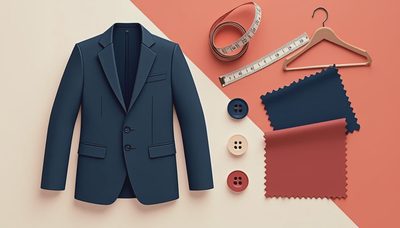
For corporate casual attire for men, a navy blazer earns its space faster than most other items. Choose a fabric with some texture, such as a hopsack weave, so it does not resemble a suit jacket missing its matching pants. Look for a natural shoulder, two buttons, and enough room to sit comfortably. A solid jacket priced around $120 to $250 can serve for office meetings, dinners, and graduations.
Fit Matters More Than the Price Tag
I once helped a customer who had spent nearly $400 on a blazer and still looked uncomfortable. The shoulders were two inches too wide, the sleeves covered half his hands, and the jacket hung like a borrowed curtain. We put him in a $140 jacket with the right shoulder measurement. He left looking taller and less bothered by his own clothes.
The shoulder seam should end where your shoulder ends. That alteration is difficult and often expensive, so get the shoulder right before worrying about sleeve length. A sleeve should show roughly a quarter to half an inch of shirt cuff when your arms hang naturally. The jacket should close without pulling across the stomach, but it should not billow when you move.
Trousers need room through the seat and thigh without excess cloth folding below the rear pocket. The waistband should sit securely without requiring a belt to keep the pants up. A slight break at the shoe is still a safe choice for most offices. Try sitting, reaching, and walking in the fitting room. Try it on. That's what the fitting room is for.

Shoes, Belts, and the Details People Notice
Shoes complete corporate casual attire for men more than many shoppers expect. Start with brown leather derbies, loafers, or plain-toe bluchers. Dark brown works with navy, gray, and khaki trousers. Black shoes are appropriate in more formal offices, but they can look severe with light khakis.
Match the belt generally to the shoe color, not necessarily the exact shade. A $45 leather belt with a simple buckle will look more useful than a wide belt covered in decoration. Keep the shoes clean and replace worn heel caps before they become obvious. Many men spend an hour choosing a shirt and then walk into the office with cracked leather and gray dust around the soles.
Socks should cover the ankle when you sit. Navy, charcoal, and brown socks are easy choices, while a restrained pattern can add interest without turning your ankles into a conversation. A watch with a leather or metal band is enough. You do not need a collection of accessories to look prepared.
A Simple Week of Outfits
Monday can be navy chinos, a light blue Oxford shirt, brown loafers, and a gray blazer. Tuesday might be gray trousers, a white shirt, and dark brown derbies. On Wednesday, wear khakis with a blue-and-white check shirt and a navy blazer. Thursday can be navy trousers, a pale gray shirt, and a brown belt with matching shoes. Friday depends on office policy; dark, unmarked jeans with a tucked-in Oxford shirt can work where denim is accepted.
This is the practical strength of corporate casual attire for men: each item has more than one job. The navy blazer works with gray trousers or khakis. The blue shirt works under a jacket or on its own. If a shirt only matches one pair of pants, it is not earning much room in your closet.
Before buying, lay the proposed item beside clothes you already own. If the colors do not create at least three complete outfits, put it back. That little test prevents the lonely orange shirt problem I have seen dozens of times: purchased with enthusiasm, worn once, then abandoned behind the dryer.
What to Ask for When You Shop
Tell the sales associate the real situation: “I need business-casual clothes for an office, and I want pieces I can wear together.” Mention whether your workplace allows jeans, whether you sit most of the day, and whether you need room through the waist or thigh. Those details are more useful than saying you want something trendy.
Check the care label before purchasing. Machine-washable cotton blends save time, but a garment that requires frequent ironing may stay on the hanger. For travel, look for trousers that resist wrinkles and shirts with a fabric weight substantial enough not to cling. Bring the shoes you plan to wear if you are being fitted for trousers.
Corporate casual attire for men should make the morning easier, not create another chore. Start with navy, gray, light blue, brown, and khaki. Spend more on fit and fabric than on a flashy label. When the shoulders sit correctly, the trousers hang cleanly, and the shoes are maintained, people see a prepared man rather than a man trying to prove something.
That is the whole assignment. Buy fewer pieces, make sure they fit, and wear them often enough to learn what works. The fitting room will tell you more than the mirror at home ever will.



No comments yet — grab the first one.