Mens sport coats are one of the few pieces in a man's closet that can cover a job interview, a wedding, dinner, and a Sunday church service without looking out of place. I learned that over 30 years on a department store men's floor in St. Louis. Men usually came in wanting one jacket and left with a better understanding of what actually fits. That was the useful part.
A sport coat is less formal than a suit jacket because it is designed to be worn with different trousers. That does not mean it should fit loosely or look careless. The shoulders still need to sit correctly, the sleeves still need the right length, and the fabric needs to match the occasion. Mens sport coats work best when they make getting dressed easier, not when they create another chore.
Start With the Shoulders
The shoulders are the part of mens sport coats that matters most. Stand in front of a mirror with your arms relaxed. The jacket shoulder should end close to the point where your own shoulder ends. If the seam hangs past that point, the coat is too large. If it pulls inward or creates a divot, it is too small. Tailors can adjust a sleeve or take in the center back, but shoulder width is expensive and difficult to correct.
I remember a man buying a navy jacket for his daughter's graduation. He wore a 42 in one brand and a 40 in another, so he assumed the smaller number was automatically better. The 40 looked trim on the hanger but pulled across his upper back. The 42 sat flat at the shoulder, and a modest waist adjustment made it look far better. A jacket is not a sandwich bag. It should not cling to every inch of you.
Button the top or center button while standing. You should see a smooth line without an X-shaped pull. The collar should rest against your shirt collar, with no gap behind your neck. If the jacket collapses at the chest, try another cut rather than buying a larger size.
Choose Fabric for Your Calendar
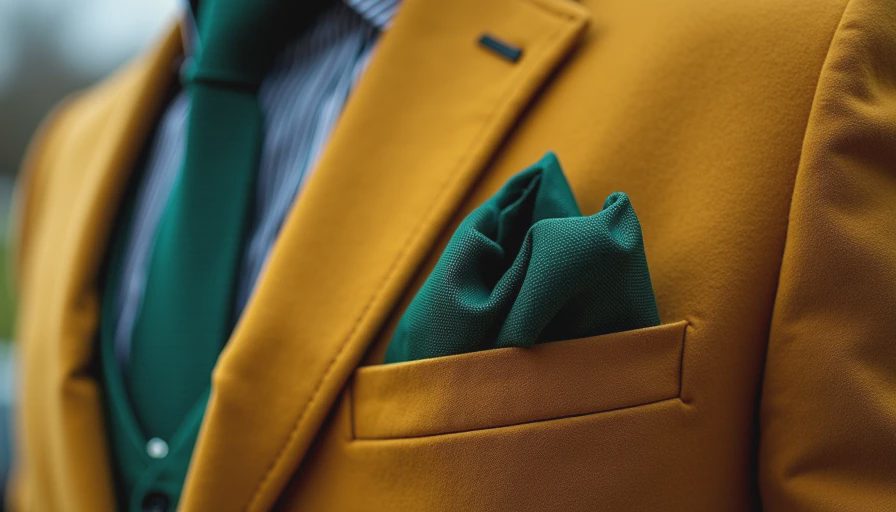
For a first purchase, a midweight wool blend or all-wool jacket in the 10- to 12-ounce range is a sensible place to start. It hangs cleanly, resists wrinkles better than lightweight cotton, and works through much of the year in an office or restaurant. A wool-polyester blend can cost roughly $100 to $250 and often holds up well for occasional use. A better all-wool option commonly runs from $200 to $500 at a department store.
Cotton and linen coats are comfortable in hot weather, but they wrinkle. That is part of the bargain, not a manufacturing defect. A cotton jacket can be right for an outdoor graduation or summer dinner, while a wool jacket is safer for a business meeting. Tweed and heavier textured fabrics belong in cooler months and casual settings. They can look good with denim or chinos, but they are not the first choice for a formal wedding.
Mens sport coats in navy, medium gray, or a restrained brown pattern will earn more wear than bright colors or loud checks. A navy coat with gray trousers can look businesslike. The same coat with khaki chinos becomes relaxed enough for dinner. That is two outfits from one purchase, which is how a practical wardrobe gets built.
Get the Length and Sleeves Right
The jacket should cover most of your seat and end around the middle of your hand when your arms hang naturally. Very short jackets are difficult to balance with dress trousers, while an overly long coat makes a man look as if he borrowed it from an older brother. Body length can sometimes be altered, but only within reason.
Sleeves should expose about one-quarter to one-half inch of shirt cuff when your arms rest at your sides. This is not a measurement that needs a ruler in the store. Put on a dress shirt with a cuff that fits, then try the jacket over it. If the sleeve covers the whole cuff, it likely needs shortening. If two inches of shirt show, the sleeve is too short unless you are deliberately going for a very unusual look.
The shirt matters, too. Mens sport coats can appear too tight when the real problem is a stiff, oversized shirt underneath. Bring the shirt you plan to wear, or ask the salesperson for a comparable collar and sleeve size. Try it on. That's what the fitting room is for.
Build Around Three Useful Combinations
A navy sport coat is the best first purchase for most men. Wear it with medium-gray wool trousers for an office or a funeral. Use khaki chinos for a family dinner or an informal meeting. Dark, clean jeans can work for a casual restaurant if the coat is not shiny, overly padded, or decorated with contrast stitching.
A gray sport coat is nearly as useful. It works with navy trousers, khakis, charcoal pants, and darker denim. Gray also makes a good second jacket because it does not duplicate the navy combinations. Brown can be a smart third option, especially with olive, tan, cream, or dark blue trousers.
Mens sport coats with patterns require a little more attention. A subtle windowpane or small check is easy to wear if the shirt is solid and the trousers are quiet. Matching a patterned jacket with a patterned shirt and striped pants is how a man ends up looking like he lost a bet. Keep one item interesting and let the other pieces do their jobs.
Know Where the Money Goes
Price is not a reliable substitute for fit. I have handled $150 jackets that looked excellent and $600 jackets that stayed on the rack because the shoulders were wrong for the cut. Spend first on the fit, then on the fabric and construction. Look at the inside seams, the lining, the button attachment, and whether the fabric springs back after you gently pinch it. A jacket that wrinkles permanently at the elbow will become a closet resident.
At stores such as Macy's, Dillard's, Kohl's, and similar department stores, sale pricing can make a useful jacket available for $100 to $250. That is a reasonable range for a first coat. Brands position their products differently, so do not buy a label without trying on the actual garment. Even within one brand, a modern cut and a classic cut can fit like entirely different coats.
If the jacket is close but not perfect, a $20 to $60 sleeve adjustment can be worthwhile. Waist and back alterations often cost more, but they can turn an ordinary purchase into something you reach for regularly. Do not pay a tailor to rescue a bad shoulder.
A Simple Buying Procedure
Wear a normal dress shirt when shopping. Start with navy or gray, then try two sizes in the same cut. Check the shoulders, button pull, collar gap, sleeve length, and back wrinkles. Sit down, raise your arms, and walk a few steps. A jacket that feels fine while standing may bind when you reach for a steering wheel.
Next, look at the coat under store lighting and near a window if possible. Navy should look navy, not black. Check the trousers you already own at home and picture at least three combinations. If you cannot name three, the pattern is probably too demanding for your first purchase.
Finally, ask about the return period and alteration policy before paying. Keep the tags attached until you have tried the jacket with your own shirt and trousers. Mens sport coats should earn their hanger space. If the coat passes those tests, you have a useful piece rather than an expensive costume.
Mens sport coats do not require a complicated wardrobe or a vocabulary lesson. They require the correct shoulder, a sensible fabric, and trousers that make sense with the jacket. Start with navy or gray, spend within a comfortable budget, and allow a tailor to handle small corrections. The fitting room will tell you more than the mirror on the rack ever can.


No comments yet — grab the first one.