When a man walks into the menswear department three Saturdays before a ceremony, he usually has the same story: the invitation says wedding, his closet says work, and he wants to look decent without renting a costume. That's where a wedding suit for men earns its keep. You do not need a miracle. You need a clean fit, the right color, and a shirt that does not fight the collar. After thirty years on the floor, I can tell you the men who look best are usually the ones who keep it simple and get the jacket altered before the photographer starts waving people outside. Try it on. That's what the fitting room is for.
Start with the dress code and the season
If the invitation says black tie, that is a tuxedo job, not a regular suit job. If it says formal, cocktail, evening, or nothing at all, a navy or charcoal two-piece usually lands in the safe zone. A wedding suit for men does not need to be loud to be right. Navy works for almost every skin tone and photographs clean, charcoal feels a little more serious, and mid-gray is good when the event is daytime and warm. Black can work, but on most guests it looks a little too close to office funeral territory unless the wedding is genuinely formal. In summer, pay attention to fabric weight. A wool suit around 8 to 10 ounces breathes better than the shiny polyester you see folded under fluorescent lights at the back of the rack.
Fit is where the money shows up
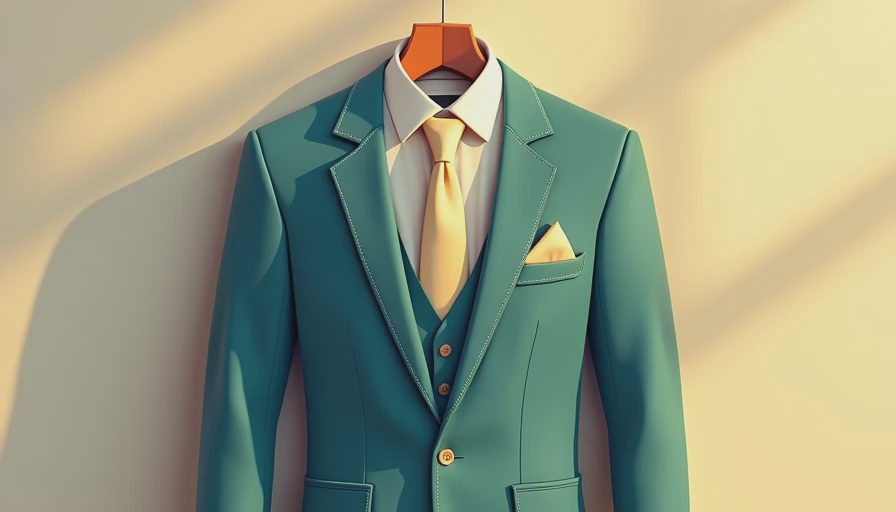
Fit is where the money either shows up or disappears. I have watched men spend $600 on a suit and look worse than the fellow in a $300 special because the shoulders were off by half an inch. The jacket should sit flat at the shoulder and cover the seat without hanging like a borrowed raincoat. Sleeves ought to show a quarter to a half inch of shirt cuff. Pants should skim the shoe instead of stacking in a puddle at the ankle. If you only remember one thing, remember this: a wedding suit for men lives or dies in the shoulder and the jacket length, not the logo on the label. A good tailor can clean up sleeves and trouser hems; a bad shoulder is harder to rescue. On the floor, those are the returns that show up first.
Buy, rent, or pull one from the closet
If you only wear a suit a few times a year, buying mid-range off the rack usually gives you more value than renting. Around $250 to $500 buys decent wool or wool-blend options at places like Macy's, Dillard's, or Kohl's. Add $40 to $100 for basic alterations and you have something a man can wear again for church, a funeral, an interview, or the next wedding. Rental still makes sense for a one-off event, especially if the dress code is strict and you need a tuxedo instead of a suit. Just know what you are paying for. The rental jacket is often fine in the shoulder, but trousers are a gamble, and the cuffs usually need help. A wedding suit for men that you own will almost always look better after alterations than a rental that comes back Monday in a plastic bag.
Keep the shirt, tie, and shoes simple
The shirt does more work than most men think. White is the easiest answer, light blue is fine, and anything with a loud pattern is usually trying too hard for somebody else's album. The collar should close without pinching, and you should be able to button it after lunch. Ties can be simple. A solid silk tie, a quiet texture, or a small pattern keeps the outfit from drifting into prom territory. Shoes matter more than cufflinks ever will. Black oxfords are the safest choice with charcoal or black, while dark brown works well with navy. Match the belt to the shoes, keep the socks dark, and skip the tie that is brighter than the bride's bouquet. That sounds obvious, but every spring I still see it.
The mistakes I see every season
The biggest mistakes are the same every season. Men buy one size too big because they want room, then the jacket slumps and the pants fold over themselves like laundry. Others buy one size too small because they lost ten pounds on purpose and plan to keep losing it by Saturday. That is how you end up tugging at the button in every group photo. Another problem is fabric that looks shiny under indoor light. Cheap polyester reads that way fast, and in pictures it can look more like a prom jacket than a suit. If you are wearing a vest, make sure it actually lies flat; if it gaps, leave it off. For a groom, groomsman, or guest, the goal is the same: look put together, not dressed for a bet. The best wedding suit for men is the one you can sit in, shake hands in, and forget about once the ceremony starts.
What to check before you walk out the door
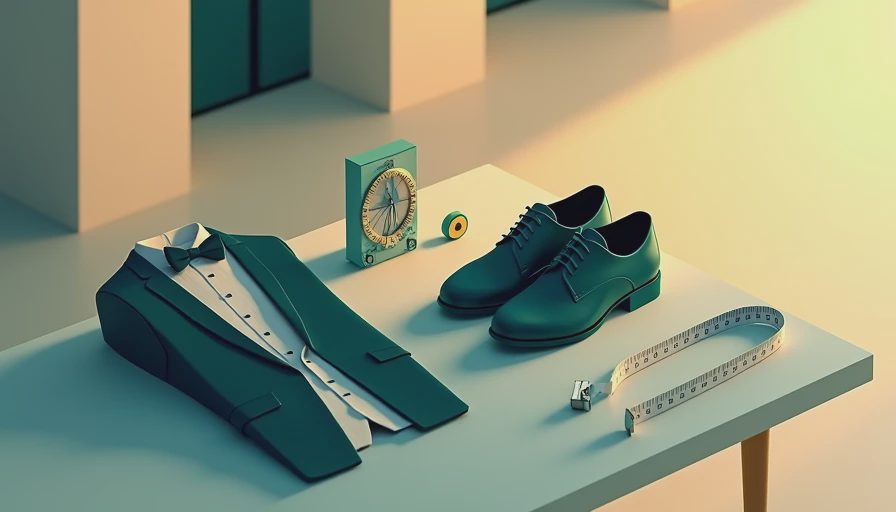
Before you leave the house, do a quick fitting-room check at home. Button the jacket while standing, then sit down and make sure it does not pull across the middle. Lift your arms; if the jacket rides up past your belt line, it is too short or too tight. Look at the back of the pants in a mirror. If the seat is strained, size up or pick another cut. The shirt collar should not gape, and the tie knot should sit centered without choking the neck. If you are shopping close to the date, ask for in-stock alterations and do not wait for a miracle from the dry cleaner. I have put plenty of men in the right size two days before a ceremony. It can be done. Try it on. That's what the fitting room is for.


No comments yet — grab the first one.