When a man asks me about the best suits for men, I usually start with the same answer: buy the one that fits your shoulders, feels decent in the chest, and does not make you look like you borrowed it from a cousin. I have handed dress shirts to roughly 50,000 customers over the years, and the lesson never changes. Most men do not need a dramatic suit. They need one that sits right, cleans up well, and does not fight them when they sit down. Try it on. That’s what the fitting room is for.
What makes the best suits for men worth buying
The first thing I look at is the jacket shape. A single-breasted, two-button suit is still the safest buy for most men because it works for interviews, weddings, funerals, and church without looking like it is trying to win a contest. Navy and medium gray are the colors that earn their keep. Black has its place, but too many men buy black because they think it is the most serious choice, then wear it like a substitute uniform. It is not. It is just black.
Fabric matters more than the salesman with the shiny tie will tell you. If you want something that lasts, look for wool or a wool blend with some body to it. A suit that feels paper-thin on the rack usually hangs that way on your frame too. I have seen decent department-store suits from Stafford, Haggar, and Calvin Klein land in the $250 to $500 range, and that is often where a working man gets the best value without stepping into nonsense territory.
Fabric is where the cheap suit gives itself away
The difference between a good suit and a troublesome one often shows up before the first hem is taken up. Polyester-heavy suits can feel stiff, trap heat, and catch that plastic shine under indoor lights. A plain wool suit, or a wool blend with a sensible weight, drapes better and wrinkles less in the places men actually care about. For most of the year, I like something in the 8 to 10 ounce range because it wears comfortably in an office, a restaurant, or a church basement that has the thermostat set by somebody’s uncle.
If you live where winter gets honest, you might want a little more weight. If you spend a lot of time in air conditioning or driving from one stop to another, you do not need a heavy cloth that turns into a wool blanket by noon. The point is not to impress the rack. The point is to look steady when you walk out of the fitting room and still look steady after a long day.
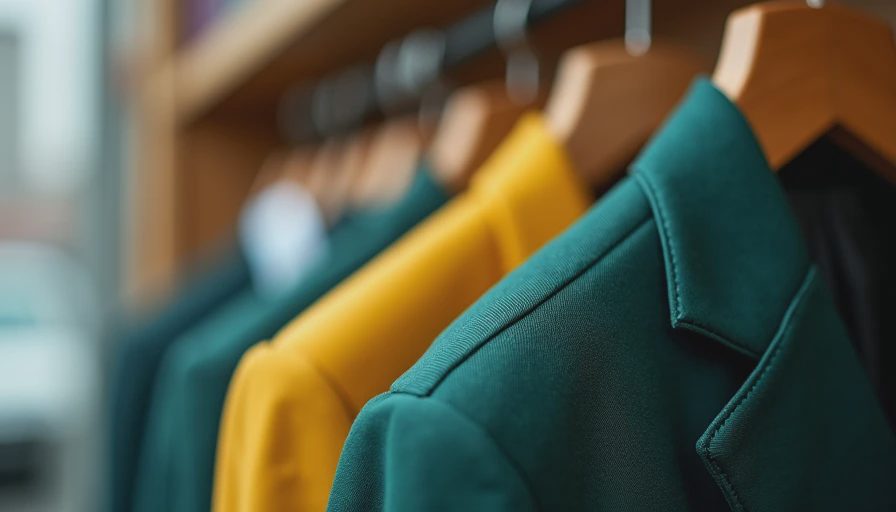
How the best suits for men fit in the shoulders
This is where most men miss by a mile and then try to fix it with a belt, which does not help the jacket one bit. The shoulder seam should sit close to the edge of your shoulder, not hanging off it like you borrowed the coat from a bigger brother. If the shoulders are wrong, keep walking. Alterations can shorten sleeves and hem trousers. They cannot make bad shoulders behave.
The collar should lie flat against your shirt with no gap in the back. You want a little room in the chest so you can sit without feeling pinned, but not enough room to store bowling shoes in there. Sleeve length matters too. A shirt cuff showing about a quarter to half an inch is about right. Trousers should break once over the shoe, not puddle on the floor like they are waiting for bad news. I have corrected enough hems to know that a $450 suit with a $60 alteration can beat a $900 suit off the rack every time.
A man came in last spring convinced he needed a 44 Regular. He left in a 42 Long, and the jacket stopped looking like borrowed office furniture. That happens more than people think. Bodies are not measured by ego, and the fitting room has heard every excuse known to man.
What to buy for weddings, funerals, and interviews
One good suit can do more work than men give it credit for. For interviews, navy is usually the easiest answer because it looks calm and dependable on camera and in person. For funerals, charcoal or dark gray keeps the tone right without making a man look washed out. For weddings, especially daytime ones, medium gray gives you a little more daylight and does not shout over the room.
If you only plan to own one suit, let it be a navy suit with a plain white shirt and a simple tie. That combination gets you through most of life without much drama. Add a white pocket square if you want to look put together. Do not load it up with shiny trim, loud stitching, or a vest unless you actually need the vest. More men return three-piece suits than buy them twice. There is a reason for that.
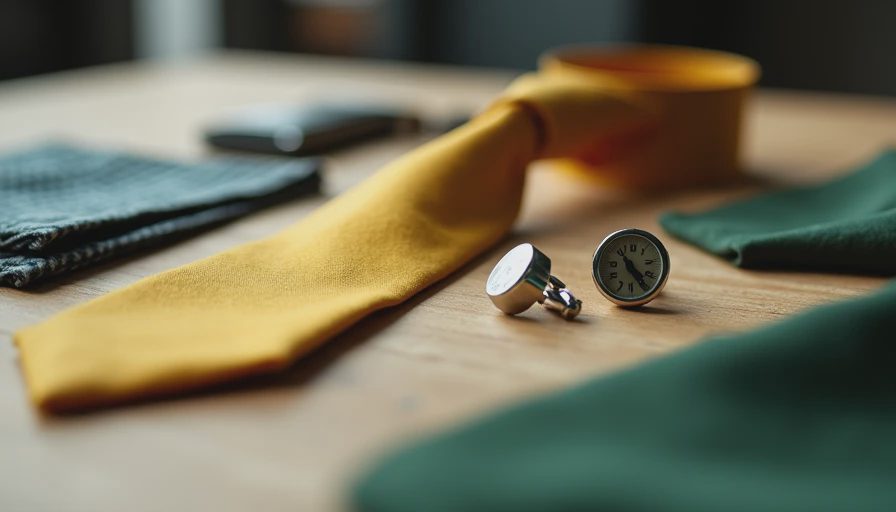
Where the money goes, and where it does not
If you are hunting for the best suits for men, I would rather see you spend $350 on a solid wool-blend suit and $75 on alterations than $600 on a jacket that fits like a barn door. That is where the money does useful work. Spend enough to get decent cloth, good lining, and clean stitching. Do not spend extra because a hanger card talks like it knows you personally.
The rest of the outfit matters, but not as much as people make it sound. A crisp dress shirt, plain leather belt, and polished shoes do more for the final look than a fancy brand name. Men at Macy’s, Kohl’s, and Dillard’s usually find the best value in the middle racks, not the front display where everything is marked up to pay for the display. Try on two sizes. Then try on the one you think you do not need. That is usually the one that fits.
A quick fitting-room checklist before you buy
Before you hand over the card, stand in front of the mirror and move your arms, sit down, and button the jacket. If the lapels lie flat, the shoulders stay put, and the jacket does not pull across the middle, you are in decent shape. If the trousers need a simple hem and the sleeves show a little cuff, you are close to done. If the coat fights you when you reach for your wallet, it is not your suit.
The men who leave happy are the ones who stop shopping for fantasy and start buying for real life. That is the whole trick. Get the fit right, pick a plain color, choose decent cloth, and keep the alterations honest. Then walk out like you meant it.


No comments yet — grab the first one.